








Introduction:Dirty and flat white are popular milk-based coffee drinks in specialty cafés. While both emphasize the expression of espresso, they are often misunderstood as just two “sisters” that differ only in temperature. This article provides an in-depth comparison of the bean selection, extraction parameters, milk foam handling, cup size design, and flavor profiles of the two drinks, helping readers understand their true differences and how to choose based on taste preference.
On the menus of specialty coffee shops, Dirty and flat white are often considered benchmark drinks that reflect a barista’s skill, even more popular than classic Americano and latte. Some believe that Dirty is essentially a cold version of flat white, differing only in temperature. But is this view accurate? To clarify this common misconception, we will analyze the similarities and differences between Dirty and flat white from multiple perspectives, including coffee bean selection, extraction methods, milk foam thickness, cup size and temperature control, as well as the final flavor experience.

The reason Dirty and flat white are often mentioned together is mainly because both gained attention after the rise of specialty coffee. Both focus on showcasing the characteristics of espresso and present intense, layered flavors in relatively small serving sizes. However, with a closer look, one can easily notice that beyond the surface difference of hot versus cold, the two also differ significantly in preparation technique, texture structure, and presentation.
Many people mistakenly think that “Dirty is just iced flat white,” a notion that may stem from the fact that both originated during the rapid development of specialty coffee and aim to highlight the essence of the coffee itself. However, Dirty is made with cold milk and hot espresso, emphasizing the contrast between hot and cold as well as visual layering, while flat white is a warm milk coffee that pursues the integration and smooth texture of coffee and milk. Though they may appear similar, their core preparation logic is fundamentally different.
Looking first at the preparation details, flat white usually employs an extremely thin layer of milk foam and uses a double ristretto shot. The espresso extraction only takes the first and middle parts to enhance the coffee's intensity and layering. Generally, a dark roasted bean is used—such as a certain classic blend—with 20 grams of coffee grounds extracted in 30 seconds to yield about 30 grams of espresso. The flavor profile leans towards caramel, toasted bread, and butter cookies. To enjoy the drink at its optimal flavor state, flat white is typically served at a not-too-high temperature, with milk kept between 50–55°C and a cup size designed around 180–250 milliliters, making it ideal for savoring the fusion of warm milk and espresso sip by sip.
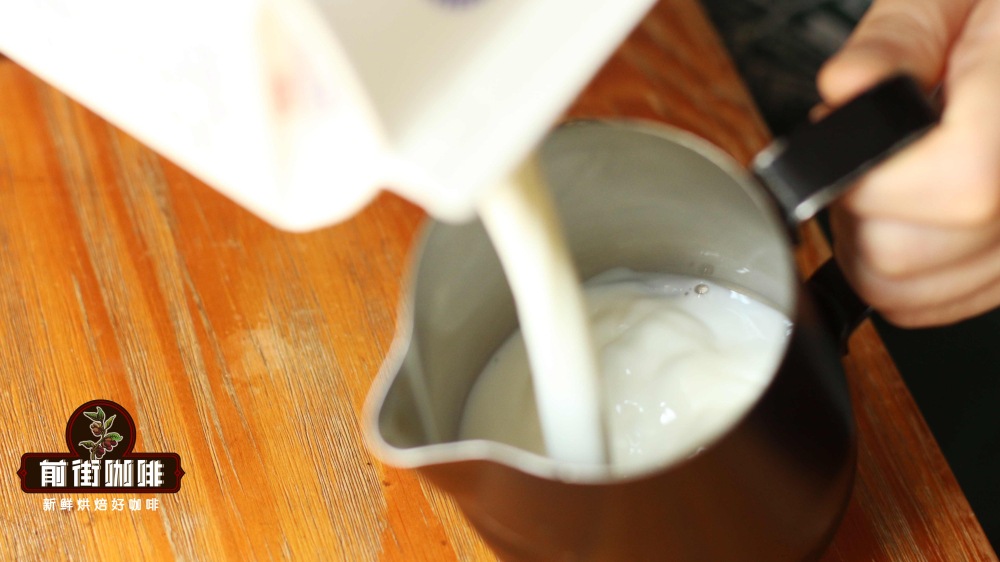
The approach to making Dirty is completely different. Its charm lies in presenting the “contrast” and “layering” between coffee and milk. Dirty generally uses a dark roasted espresso, also based on a double ristretto, but the serving size is smaller—about 150–200 milliliters—with a ratio of roughly 30 grams of espresso to 120–170 milliliters of iced milk. The goal is to let consumers quickly experience a strong coffee flavor. During preparation, the barista pours the espresso from near the rim of the cup into the iced milk, allowing the golden coffee crema to naturally flow and suspend atop the milk, creating a visually striking black-and-white boundary line, while also delivering a unique hot-and-cold interplay in texture.
In terms of mouthfeel experience, flat white emphasizes integration. When you take a sip of flat white, you first perceive the light milk foam releasing the aroma of the espresso, followed by layers of warm milk and espresso stacking up, resulting in a smooth and full-bodied texture that maintains a certain temperature and lingering aroma even until the last sip. In contrast, Dirty focuses on contrast and layering. At first, you catch the roasted aroma of the espresso crema, and then, when taking a big sip, the cool milk and piping-hot espresso create a noticeable hot-and-cold contrast—intense yet refreshing, with a blend of bitterness and sweetness that gradually leads to a sweet aftertaste, leaving a long-lasting finish.
From these details, it becomes clear that although both Dirty and flat white are small-sized milk coffees centered around espresso and emphasize the inherent flavor of the coffee beans, they differ markedly in extraction methods, milk foam handling, temperature control, and the final flavor profiles. Therefore, simplifying Dirty as a “cold version of flat white” is inaccurate, as it overlooks the core differences in preparation philosophy and sensory experience.
In summary, if you prefer a hot drink and want to experience the full integration of coffee and milk, choosing a well-made flat white is the better option; whereas if you enjoy something intense, direct, and with visual and textural contrast, Dirty can offer you a uniquely surprising flavor and sensory experience. Though the two are not interchangeable, each allows you to explore more of the diverse facets of specialty coffee.

The above content is compiled by CoffeeHunters, a coffee news website.


