







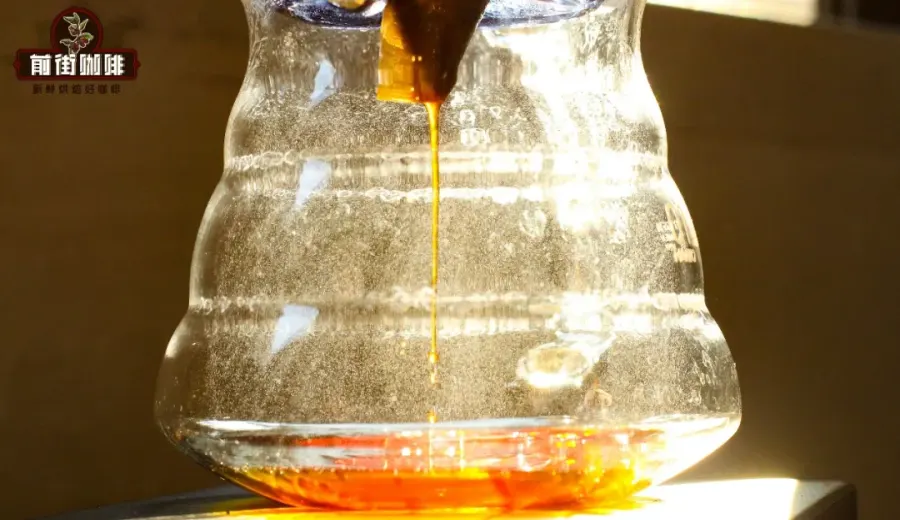
Introduction:During the coffee extraction process, many coffee enthusiasts rely on observing the color changes of the brewed coffee liquid to determine whether the extraction is under-extracted or over-extracted. But is this "judging by color" method scientific? Does a lighter color really indicate over-extraction? This article delves into the relationship between coffee liquid color and extraction stages, supplemented with practical test data and operational details to help you more accurately grasp the extraction timing and improve the quality of each cup of coffee.
In the coffee extraction process, many coffee lovers attempt to judge the current extraction status by observing the depth of color of the outgoing coffee liquid—this method is commonly known as "judging by color." But does this visually-based judgment have any scientific basis? Can it effectively distinguish between under-extraction and over-extraction?
According to practical observations and data testing, as extraction time increases, coffee liquid typically transitions from dark to light in color. This is mainly because only about 30% of a coffee bean's weight consists of soluble components, and these components vary in molecular size and dissolution rate. Acidic and sweet substances, due to their smaller molecules, are released quickly in the early stages of extraction, while bitter substances, which have larger molecules, are released more slowly. As a result, after the acidic and sweet compounds have largely dissipated, bitter components continue to be released, at which point the coffee liquid often becomes clearer, even appearing whitish.
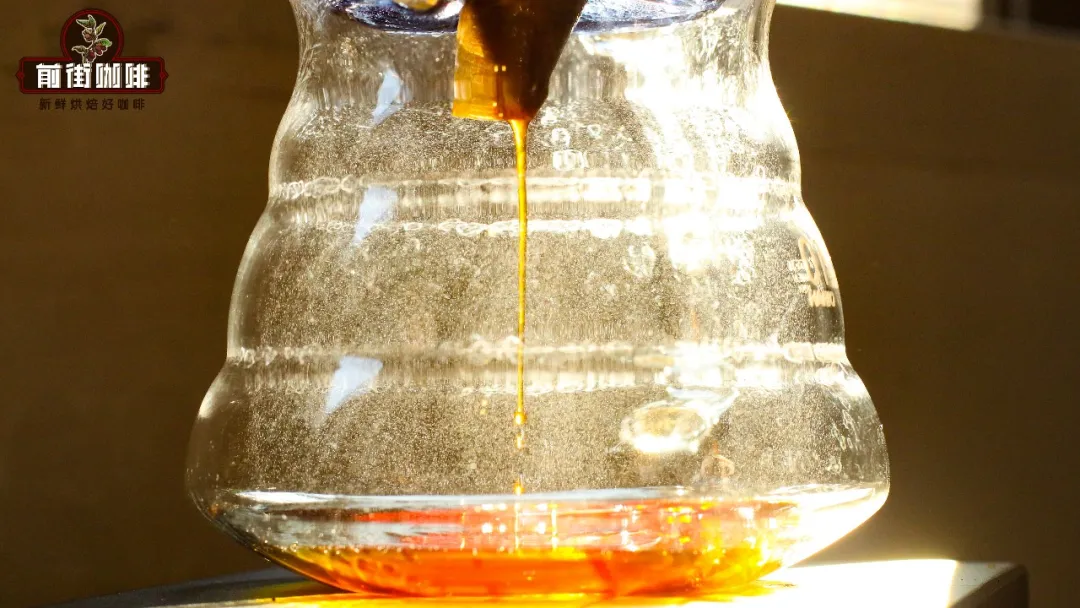
So why can color change serve as one reference for the extraction stage? The key lies in the difference in "soluble dissolution rates." The soluble solids within coffee beans are not released evenly, but rather dissolve into water in stages based on their molecular characteristics. In the early stages of extraction, primarily acidic and sweet compounds dissolve first, giving the coffee liquid a darker color and a rich, layered flavor profile. As extraction continues, the amount of soluble substances gradually decreases, the concentration of the coffee liquid lowers, and the color correspondingly becomes lighter.
Especially in the mid-to-late stages of extraction, when acidic and sweet substances have been almost entirely released, bitter substances become the main target of extraction. Continuing extraction at this point can easily lead to over-extraction, resulting in noticeable bitterness and astringency. Therefore, when the coffee liquid visibly becomes lighter or milky, many baristas interpret this as a potential signal of approaching over-extraction.
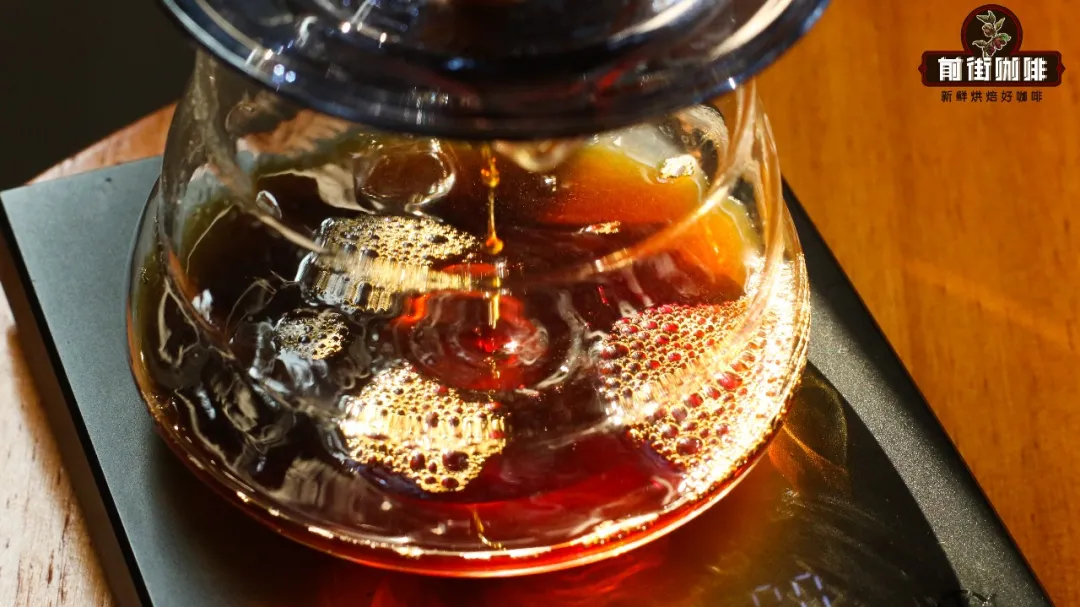
In practice, this method of observing color changes can also help estimate the final brew weight to some extent. Actual test cases have shown that in espresso extraction, when the coffee liquid begins to appear milky and extraction is stopped, the final liquid weight is very close to the pre-set optimal weight—for example, using 20 grams of coffee grounds, the optimally pre-set brew weight is 39 milliliters, while stopping extraction based solely on color judgment yields 40 milliliters, an error of just 1 milliliter.
In terms of flavor performance, this 1-milliliter difference, while present, is not significant. Using the same coffee beans (such as a classic blend), whether following data-controlled optimal extraction or stopping based on color judgment, the brewed coffee still exhibits typical espresso flavors such as chocolate, caramel, nuts, and cream, with only slight differences in concentration.
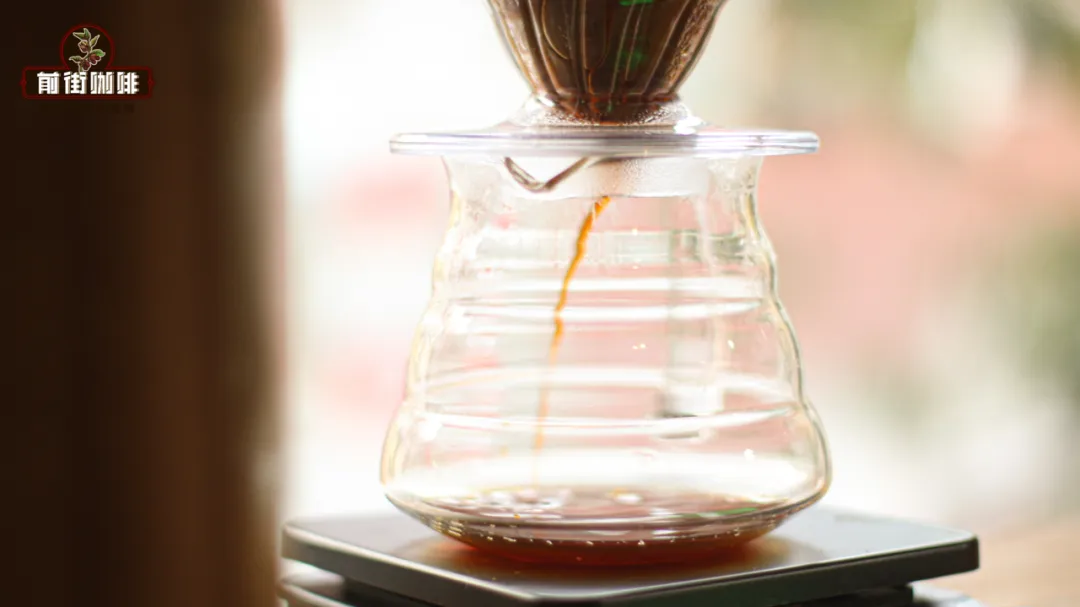
Not only in espresso, but pour over coffee can also utilize a similar color judgment method. During the pour over process, when you observe that the outgoing coffee liquid gradually becomes clearer and more transparent, it usually indicates that the release of soluble substances has entered the later stage, and it may be time to consider stopping the water pour to avoid over-extraction.
However, it is important to note that this "judging extraction by color" method is only suitable as an auxiliary reference, especially in situations where electronic scales or other measuring tools are unavailable, as it can provide some operational basis. If you aim for stable and consistent extraction quality, it is still recommended to rely primarily on quantitative data such as weight and time.
This method has obvious limitations. For instance, when the water flow rate is too fast, or when the grind size and extraction pressure are poorly matched, even in the later stages of extraction, the color changes in the coffee liquid may be minimal, leading to inaccurate judgments of under-extraction or over-extraction. Without experience, one might stop extraction before the coffee has fully released its flavors, resulting in a flat taste; or conversely, misjudge the color changes and continue extracting when it’s already over-extracted, producing excessive bitterness and impurities.
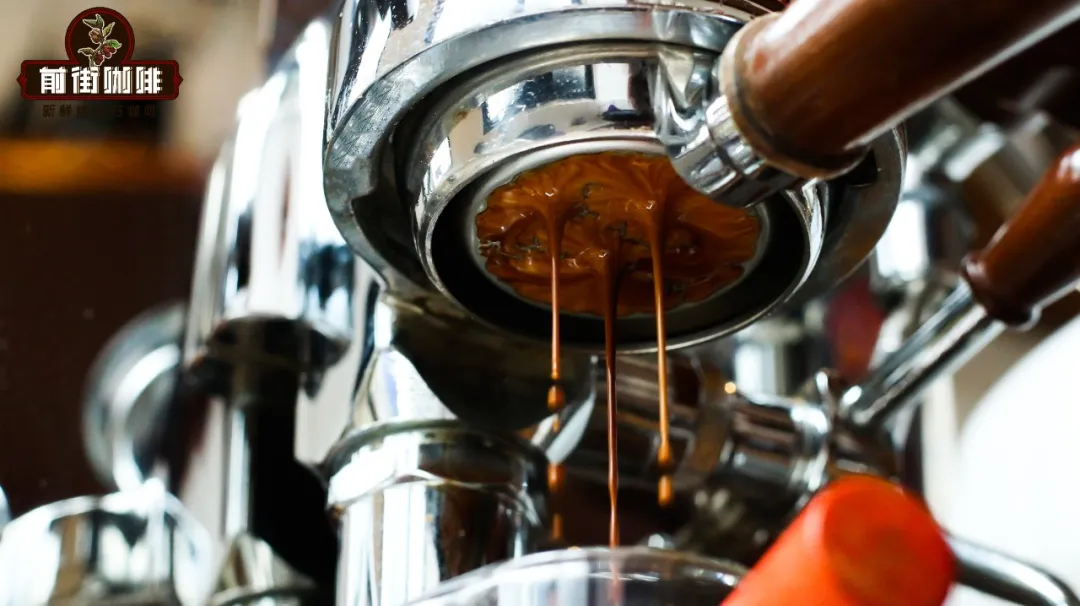
Additionally, the roast level of the coffee beans also significantly affects the color presentation of the coffee liquid. Generally speaking, dark roasted coffee beans contain more caramelized substances, so the brewed coffee liquid is inherently darker in color, and the point at which the color lightens occurs relatively later. Light roasted beans, with a lighter base color, are more likely to appear milky during the mid-stage of extraction. This doesn’t necessarily mean optimal extraction has been reached—it merely reflects the inherent color characteristics of the beans.
In summary, observing changes in coffee liquid color can indeed help determine the progress of extraction to some extent, particularly in emergency situations or when professional tools are unavailable, serving as a simple reference method. However, if you hope to consistently extract coffee with balanced flavors and appropriate concentration, it is recommended to use tools such as electronic scales and timers, and control the entire extraction process with precise numerical parameters.
The above content is compiled by CoffeeHunters, a coffee news website.


