








Introduction:‘People’s Coffee’ has rapidly expanded across 18 provinces and 20 cities nationwide, with nearly 30 directly operated stores already open, yet its parent company has had multiple trademark applications for ‘People’s Coffee’ rejected and currently only holds registered trademarks containing the characters ‘潮’ or ‘要潮’. This article delves into the controversy surrounding the store signage’s compliance, trademark usage standards, and potential legal risks, helping readers understand the often overlooked trademark strategies in brand management.
In recent years, a chain of coffee shops named ‘People’s Coffee’ has drawn considerable attention across the country. It is understood that this brand has opened nearly 30 directly operated stores in 18 provinces and 20 cities, with the parent company being Shanghai Chaoyao (Trendy) Culture Communication Co., Ltd. However, despite the brand’s rapid development, its repeated attempts to register the ‘People’s Coffee’ trademark have all been unsuccessful, and it currently only owns two registered trademarks: ‘Chaoyao People’s Coffee’ and ‘Chaoyao People’s Coffee’ (where ‘Chaoyao’ means ‘trendy’).
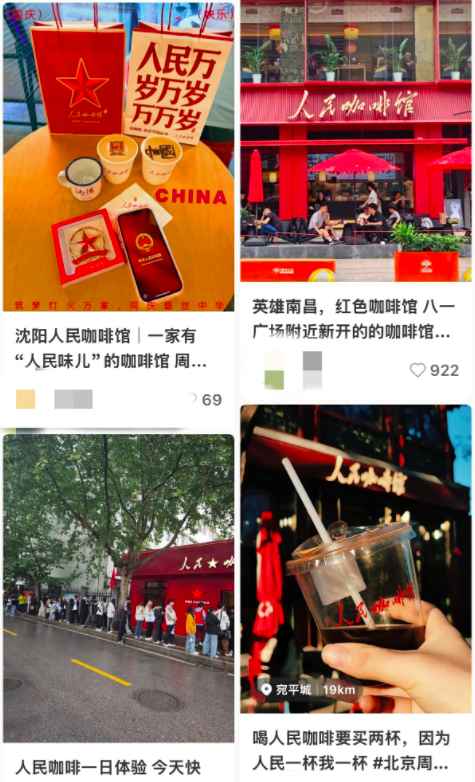
Notably, the actual store signs in operation almost exclusively display the words ‘People’s Coffee’ and do not include the registered brand elements such as ‘潮’ or ‘要潮’. This has raised questions from the public about the compliance of the brand’s signage, and brought the legality of trademark use and brand identity into sharp focus.

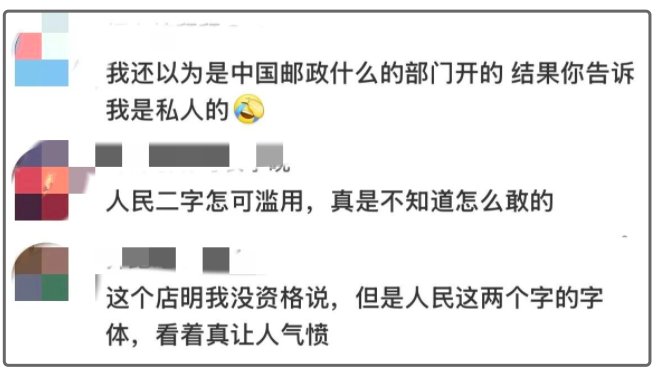
From market feedback, consumers hold polarized views on the name ‘People’s Coffee’. Some netizens argue that the term ‘people’ carries strong public and political connotations, and its use as a commercial brand name can cause discomfort or confusion. Some customers even mentioned that upon first seeing the store sign, they mistook it for an official government agency or well-known media outlet, only realizing it was a private coffee brand after visiting in person.
Regarding the trademark application process for ‘People’s Coffee’, relevant information shows that Chaoyao Culture has been submitting applications to register the ‘People’s Coffee’ trademark since 2022, but has been repeatedly rejected by authorities. It is reported that the company has so far only successfully registered the names ‘Chaoyao People’s Coffee’ and ‘要潮 People’s Coffee’ (where ‘要潮’ also means ‘trendy’), and these registered names differ markedly from what is displayed at actual stores, further fueling concerns about consistency in brand identity.
Industry lawyers point out that according to Article 10, Paragraph 8 of the Trademark Law of the People’s Republic of China, ‘signs that are detrimental to socialist moral standards or have other adverse effects may not be used as trademarks.’ Since the word ‘people’ embodies special social sentiment and public value, its large-scale use as a standalone commercial brand name may lead consumers to misunderstand the brand’s background or the nature of its services, thus being deemed to carry a risk of ‘other adverse effects’.
Additionally, the lawyer emphasized that even if a brand holds certain registered trademarks, consistently using signage in actual operations that differs from the registered name—such as using only ‘People’s Coffee’ without displaying ‘潮’ or ‘要潮’—constitutes use that does not conform to the approved registered trademark style, failing to meet trademark management regulations, and may also be considered a flaw in trademark usage.
Furthermore, if the brand does not hold official trademark rights, besides being unable to effectively prevent others from imitating or using similar names, there is also a risk in the future that if another enterprise or individual successfully registers a related trademark, existing ‘People’s Coffee’ outlets could even face infringement lawsuits. At the same time, market regulatory authorities also have the right to take administrative measures against businesses that do not comply with trademark usage regulations.
In summary, although the rapid expansion of ‘People’s Coffee’ demonstrates the brand’s appeal in the market, the absence of a clear trademark strategy and the inconsistency in store signage use have sparked widespread discussion within the industry and legal community. For coffee business operators aiming to build long-term brands, proper trademark registration and standardized store signage use are both indispensable components of brand management.
The above content is compiled by CoffeeHunters, a coffee news website.


