







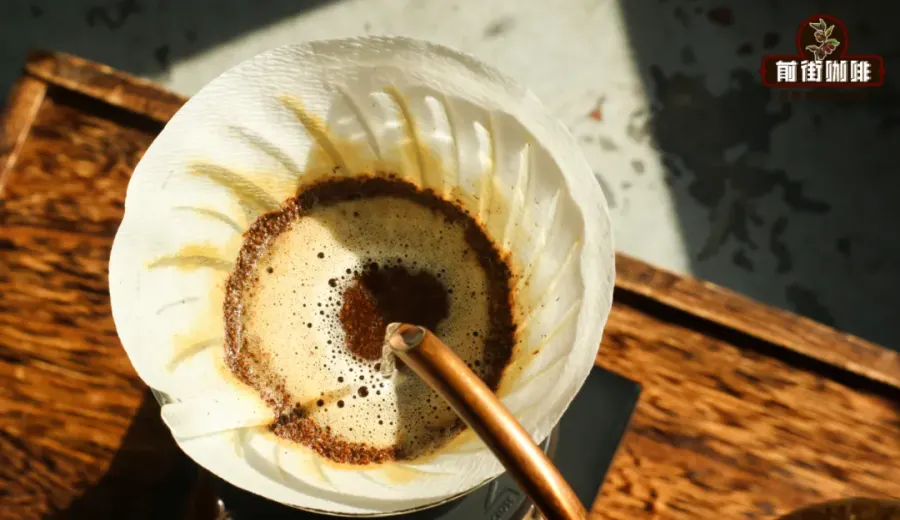
Introduction:Multi-pour water infusion is a key technique in pour over brewing to enhance the layers of flavor, but choosing the right timing for each pour often puzzles coffee enthusiasts. Should you wait until all the water has completely dripped through before pouring the next batch, or continue pouring while there’s still liquid in the filter? This seemingly small detail directly affects extraction time, concentration, and ultimately the flavor profile. This article delves into how different pouring timings impact extraction efficiency, combining practical examples and parameter adjustment suggestions to help you precisely control the taste and aroma of every cup of pour over coffee.
In the world of manual brewing, multi-pour infusion is the preferred technique for many coffee lovers. By introducing hot water in stages, one can more finely control the degree of extraction from the coffee grounds, thereby adjusting the final flavor direction. However, a frequently overlooked yet crucial question arises: should you wait until the water level has fully drained before adding the next pour, or introduce the next batch while there’s still liquid in the filter? This simple decision, from the perspectives of extraction time and liquid concentration, profoundly influences overall extraction efficiency and flavor expression.
Before diving deeper, let’s first understand what multi-pour infusion means. Simply put, it involves dividing the total brewing water volume into multiple pours rather than adding it all at once. Common methods include three-pour, four-pour, or even finer divisions like five or more pours — for instance, the popular “4+6 pour” among pour over enthusiasts divides the water into five stages. Any method that doesn’t involve pouring all the hot water in one go falls under the category of multi-pour infusion.
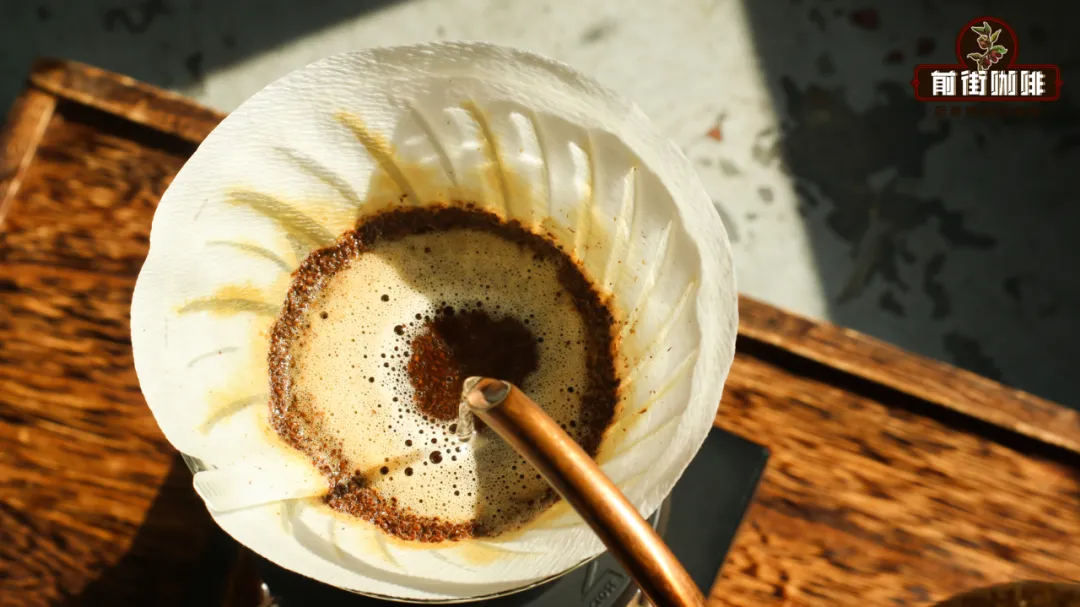
Many beginners, when faced with this technique, are often uncertain about when to add the next stage of water. This is because they worry that different pouring timings might disrupt the even extraction of coffee grounds. In fact, this influence does exist, especially when using more segments, where the differences become even more pronounced. While the difference may not be very obvious with just three pours, as the number of stages increases, the control over extraction rhythm, concentration changes, and overall timing becomes particularly important.
So, what’s the difference between “waiting for all the water to drip out before pouring again” and “pouring the next batch while there’s still water in the filter”? The key lies in two main factors: the length of the extraction time, and the change in concentration of the liquid in the filter.
First, when we wait until the previous pour has completely dripped through before adding the next, the overall extraction time is usually longer than if we continue pouring without waiting for the water to finish draining. This is because after each pour, we have to wait for the water level to fully permeate through the filter before proceeding to the next step. Although this waiting period may seem brief, when multiplied over multiple pours, the total extraction time becomes noticeably longer. And the length of the extraction time is directly related to the total duration that the coffee grounds are in contact with the water — the longer the contact time, the more opportunities for flavor compounds to be released, and the higher the extraction efficiency.
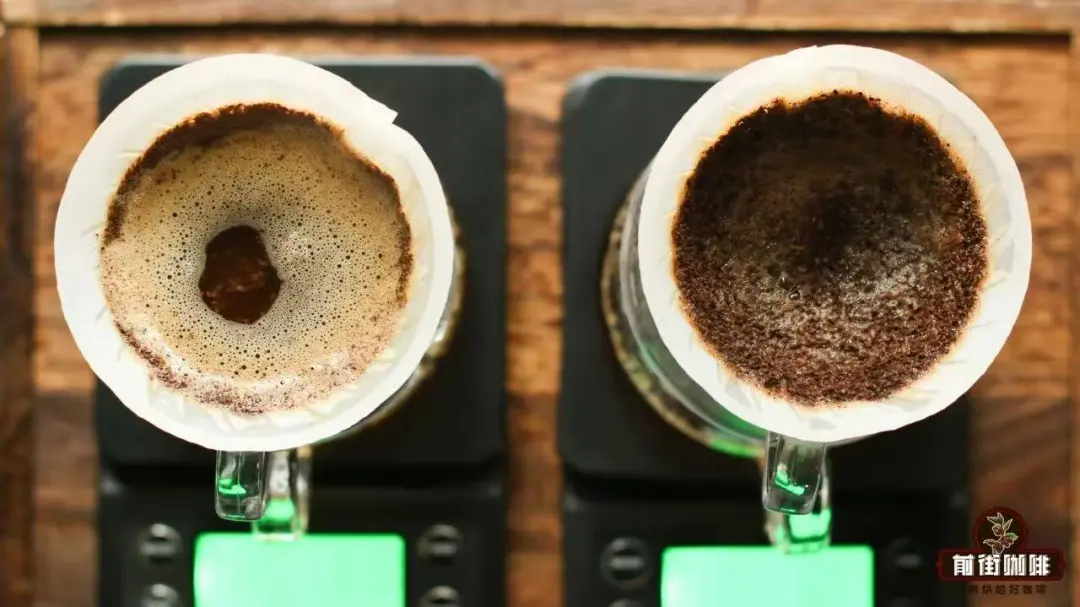
Additionally, the remaining coffee liquid in the filter already has a certain concentration, and the newly added hot water mixes with this residual liquid, creating a new extraction environment. According to the principle of concentration gradient, the lower the concentration of the liquid, the stronger its extraction capacity. Therefore, if we wait until all the water in the filter has completely dripped out before adding the next batch of hot water, the concentration of the extraction liquid at that point is lower, which helps to more efficiently extract aromatic compounds and acidity from the coffee, thereby enhancing the overall extraction quality.
An experiment was conducted specifically on this phenomenon, using a three-pour method, with only the timing of the final pour altered: one brew involved adding the third pour only after the second had completely dripped through, while the other introduced the third pour before the second had fully drained. Both used the same coffee beans — Ethiopian · Hamashu — with other parameters kept as consistent as possible, including water temperature, grind size, and brew ratio. To minimize errors, four brews were made in total, and a showerhead-style dripper was used to reduce inconsistencies from manual handling.
The results showed that the two brews with earlier pours had an average extraction time about 10 seconds shorter than the group with delayed pours; in terms of extraction yield, the early pour group averaged 16.8%, while the delayed pour group averaged 17.3%. In flavor expression, both groups exhibited typical high-quality light roast notes such as strawberry, guava, citrus, and floral tones, but the coffee with earlier pours tasted slightly thinner, with less layering compared to the version with later pours.
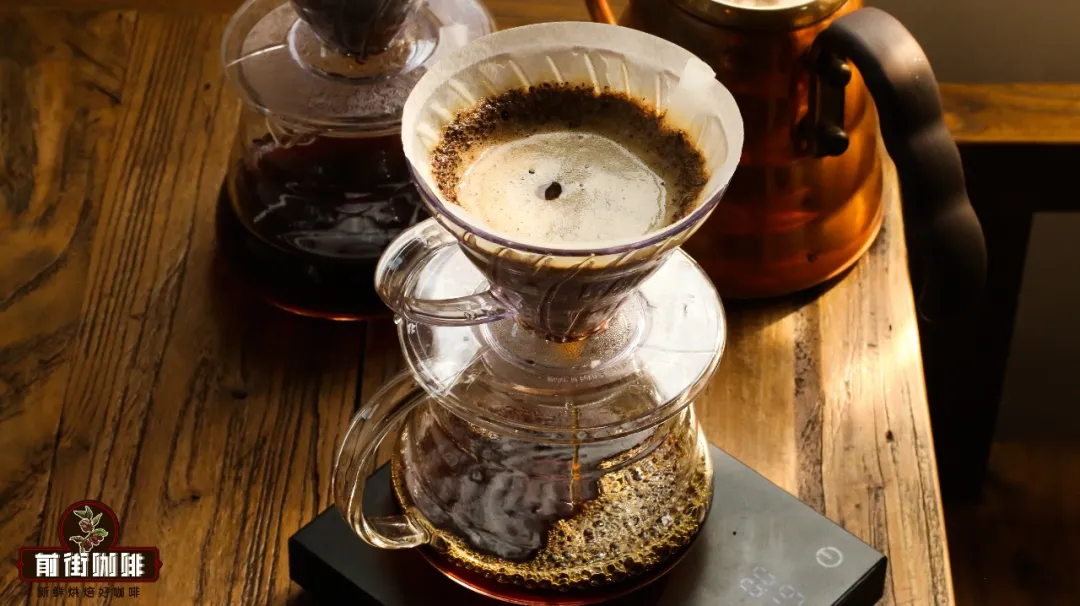
From this experiment, it’s clear that although the differences aren’t extremely large, they do exist. And when the number of pours is increased further — for example, in brewing methods with five or more stages — the impact brought by the timing of pours becomes even more significant, leading to more noticeable changes in overall flavor and extraction efficiency.
So, as a barista or enthusiast, how should you decide when to pour the next batch? This actually depends on the flavor profile you’re aiming for and the current extraction conditions. If you find that the flow rate is slow, or if you’re using more pours to achieve delicate layers, you might choose to pour the next batch while there’s still water in the filter, to avoid excessively prolonging the extraction time, which could lead to bitterness or over-extraction. On the other hand, if you want to emphasize bright, clear acidity and rich layers, and you’re using fewer pours, then it’s recommended to wait until the water has completely dripped out before continuing, to achieve more complete extraction efficiency.
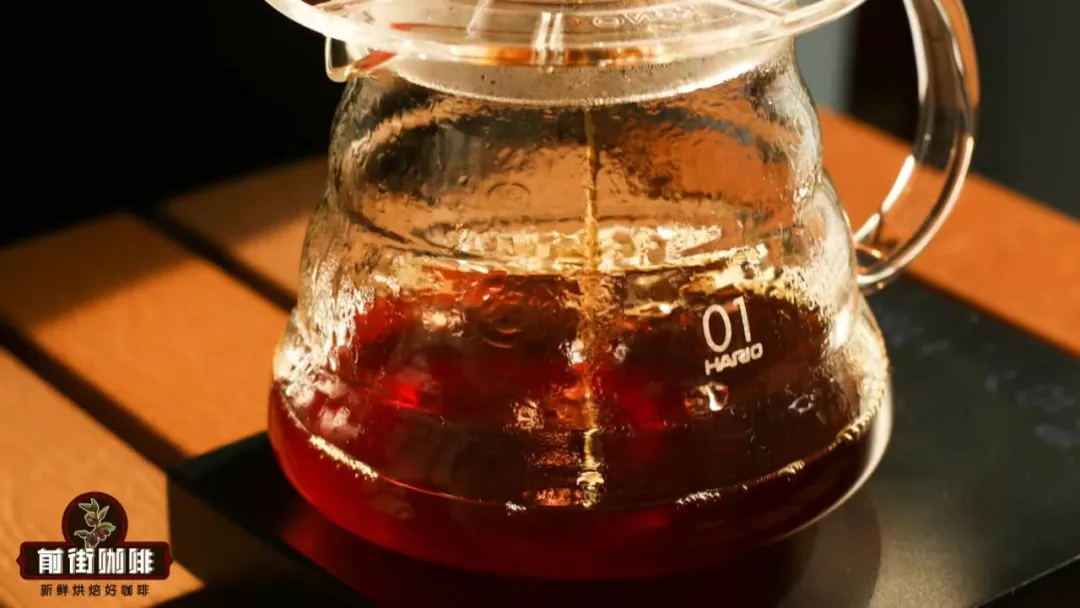
In addition, observing the swelling state of the coffee grounds, the uniformity of the water flow, and the smoothness of the water-ground contact are also important criteria for judging the right moment to pour. In some cases, even if you choose to wait for the water to drain before pouring, issues such as channeling or overly fine grind size may cause slow drainage, making timely strategy adjustments crucial.
In summary, every small detail in multi-pour infusion — including the timing of pours, interval control, and concentration changes — creates a chain reaction that affects the final flavor. Mastering these techniques not only helps you brew a consistently good cup of coffee, but also allows you to flexibly adjust your brewing strategy based on different bean varieties, roast levels, and personal preferences, truly achieving customization based on the beans and the drinker.
The above content is compiled by CoffeeHunters, a coffee news website.


