







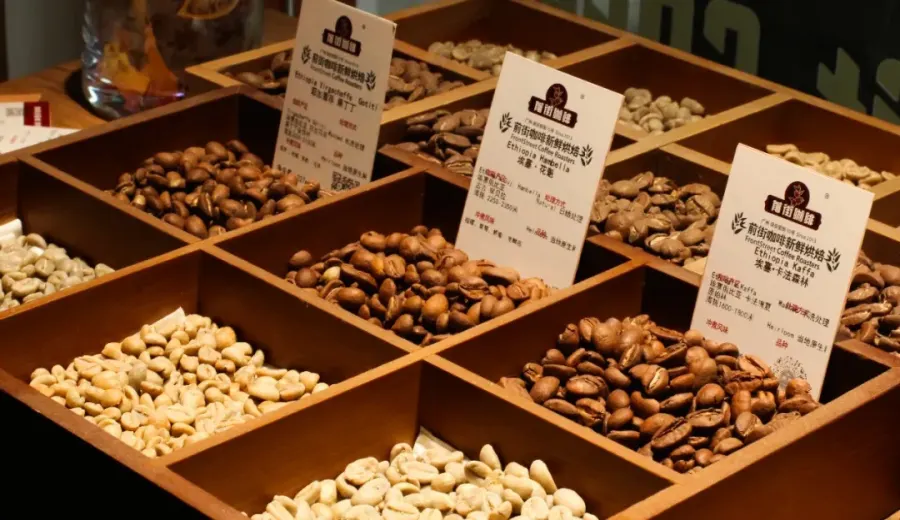
Introduction:When you walk into a coffee shop, the variety column for Ethiopian beans often simply states “Heirloom.” Yet many people are left puzzled by what that actually means. What exactly is Heirloom? And why can’t Ethiopia clearly label specific varieties like Colombia or Kenya do? This article will unpack the origins of Heirloom, analyze how Ethiopia’s vast coffee gene pool and smallholder production model affect variety classification, and introduce you to the classic flavor profiles of the two major producing regions—Guji and Yirgacheffe—so you can better understand that cup of Ethiopian coffee in your hand.
When selecting coffee beans, especially those from Ethiopia, you may notice that the variety column almost always reads “Heirloom.” This labeling appears not only in well-known cafes but also among many importers. But why can’t Ethiopian coffee, unlike other regions such as Colombia or Kenya, clearly indicate specific varieties like Caturra, Geisha, or SL28? Behind this lies the uniqueness of Ethiopia’s coffee production, which is also tied to the country’s rich coffee genetic diversity.
First, we need to understand the true meaning of the term “Heirloom.” According to the Oxford English Dictionary, Heirloom is defined as “a valuable object that has belonged to a family for several generations,” a word carrying historical and cultural weight. Its earliest use dates back to the 9th century, when local residents began utilizing wild coffee resources and regarded these ancient coffee varieties as part of their farming culture, passing them down through generations like treasured family heirlooms. Thus, in the coffee world, Heirloom is often translated as “heirloom variety,” but more commonly we simply call it “native variety,” referring to those coffee varieties that grow naturally or have been cultivated over a long period within Ethiopia without undergoing modern breeding selection.
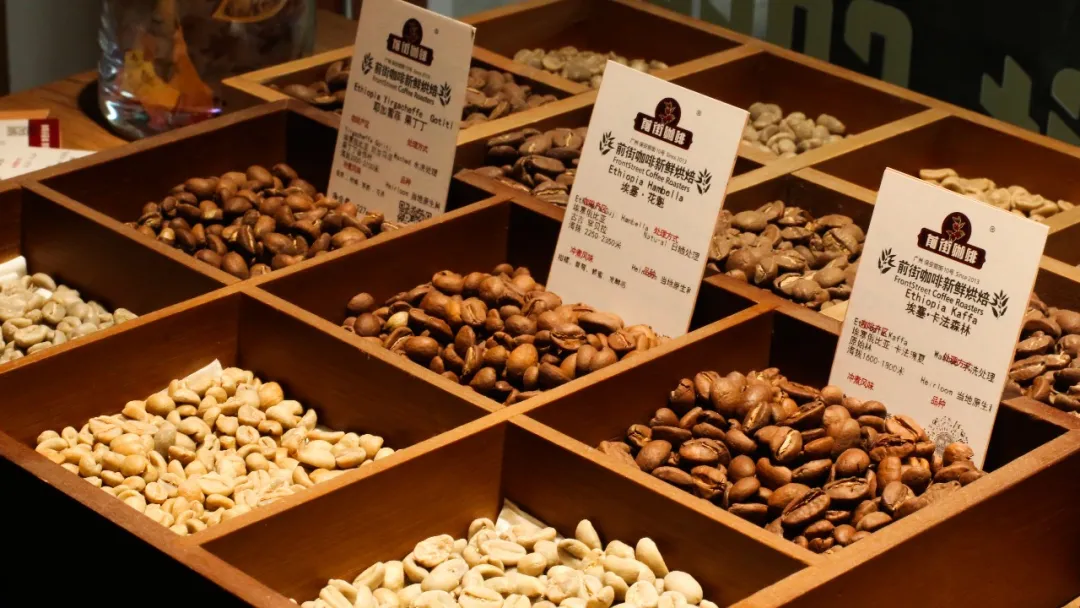
So why does Ethiopia need to use the general term “Heirloom” to encompass so many coffee varieties? One reason is that the country boasts the world’s largest coffee gene pool. It is estimated that there may be over 10,000 different coffee varieties growing in Ethiopia—an astonishing figure far exceeding that of other coffee-producing nations. Such rich genetic diversity makes it extremely difficult, even nearly impossible, to accurately identify and distinguish each individual variety.
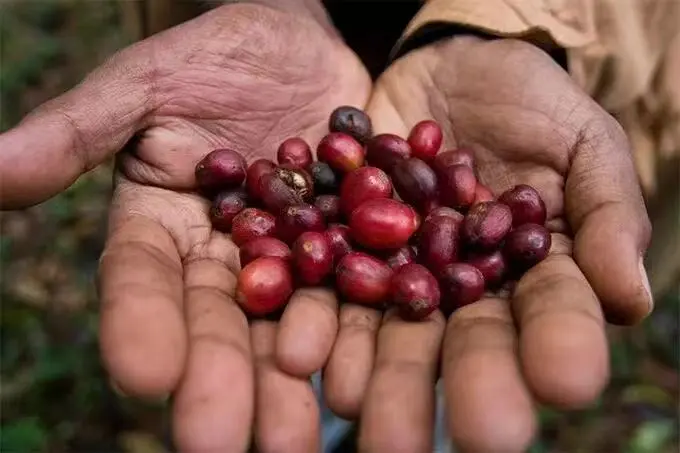
Beyond genetic diversity, Ethiopia’s coffee production model is also a key factor. Only about 10% of the country’s coffee comes from large farms or estates; the remaining 90% is sourced from wild harvesting and smallholder cultivation. Especially among the vast number of smallholders, who often grow coffee in their backyards or on scattered plots of land, these coffees are typically not variety-selected and lack specific cultivation plans. Once the coffee cherries ripen, farmers harvest them on-site and send them to nearby processing facilities or cooperatives for further processing and sale.

The coffee cherries delivered to processing facilities often come from different locations and plants, mixed with various unidentified varieties. In the absence of specific variety requirements, smallholders usually pick whatever cherries are readily available, paying little attention to varietal purity and focusing only on yield for income. As a result, the batches arriving at processing sites are often mixtures of multiple varieties. And with such mixtures, processing facilities find it difficult to separate and sort them individually, so they end up processing these mixed coffees together and selling them as a unified product.
To address the classification challenges posed by this varietal mix—especially against the backdrop of rising international trade and the growth of specialty coffee—the industry has gradually adopted the general term “Heirloom” to encompass these unidentifiable coffee varieties. This approach not only simplifies the labeling process for export information but also highlights the native nature and unique value of these coffees, helping consumers understand the traditional and natural heritage carried by these beans.
Of course, Ethiopia is not entirely devoid of single-variety coffees. With the maturation of the specialty coffee market, some estates and cooperatives have begun focusing on cultivating and growing specific varieties to showcase unique flavor characteristics. For example, some coffee offerings include Gold Label and Red Label Geisha from the Gesha Village, as well as clearly labeled single-variety coffees like Hamasho and ALO. These beans allow coffee enthusiasts to experience more refined and distinctive flavor profiles.

It’s worth mentioning that even though most Ethiopian coffees are labeled as Heirloom, this doesn’t mean their flavors lack distinctiveness or consistency. In fact, coffee flavor is more influenced by factors such as altitude, soil, climate, and processing methods than by variety alone. For instance, one coffee offering labeled “Ethiopia · Huakui” is a classic representative from the Guji region. Its flavor profile is dominated by sweet and sour tones, often featuring bright fruity and tea-like notes such as citrus, strawberry, oolong tea, and pineapple, showcasing the freshness and layering unique to the Guji area.
Another coffee also labeled as a native variety—“Yirgacheffe · Guddingo”—displays the most iconic flavor profile of its region. This coffee has a relatively soft mouthfeel, with flavors mainly of white floral notes, lemon, green tea, and berries, exuding the elegant and refreshing qualities characteristic of Yirgacheffe. Through these two beans, we can clearly see that even when varieties fall under the Heirloom category, different regions can still nurture distinctly different coffee flavor experiences through geographic and climatic conditions.
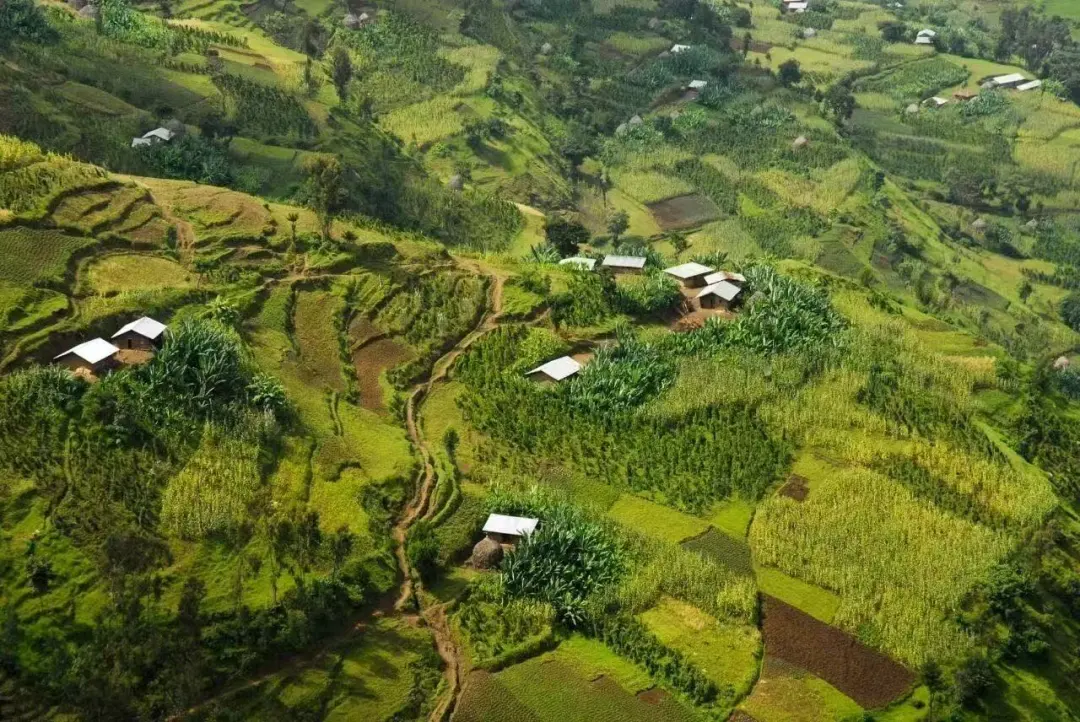
In summary, the reason Ethiopian coffee is commonly labeled as Heirloom reflects its long history of coffee cultivation, its vast genetic diversity, and its production structure centered around smallholders and wild harvesting. Understanding the origins of Heirloom and regional characteristics can help you better appreciate the unique qualities of each cup of Ethiopian coffee. If you’re new to coffee or want to further explore the joy of pour over brewing, why not start with a Heirloom-labeled Ethiopian bean and personally experience the original coffee charm from the Horn of Africa.
The above content is compiled by CoffeeHunters, a coffee news website.


