








Introduction:When making latte art, have you often encountered problems where milk foam quickly breaks down and patterns are hard to maintain? This is often closely related to milk quality, the roast freshness of the coffee beans, and the technique used to froth the milk. This article delves into these three key factors to help you fundamentally improve milk foam stability and enhance the texture and visual appeal of your latte art.
When creating espresso-based latte art, many coffee enthusiasts often face a frustrating issue: the surface of the milk foam quickly becomes covered with numerous tiny bubbles, making the design unsustainable and affecting both the overall appearance and taste. The causes of such issues often involve multiple aspects — from the choice of milk and the freshness of the coffee beans to the method of frothing the milk — each step can influence the final stability. This article will explore these three main areas, analyzing the principles behind common problems and providing specific observations and methods for improvement.
I. Milk Quality and Spoilage Issues
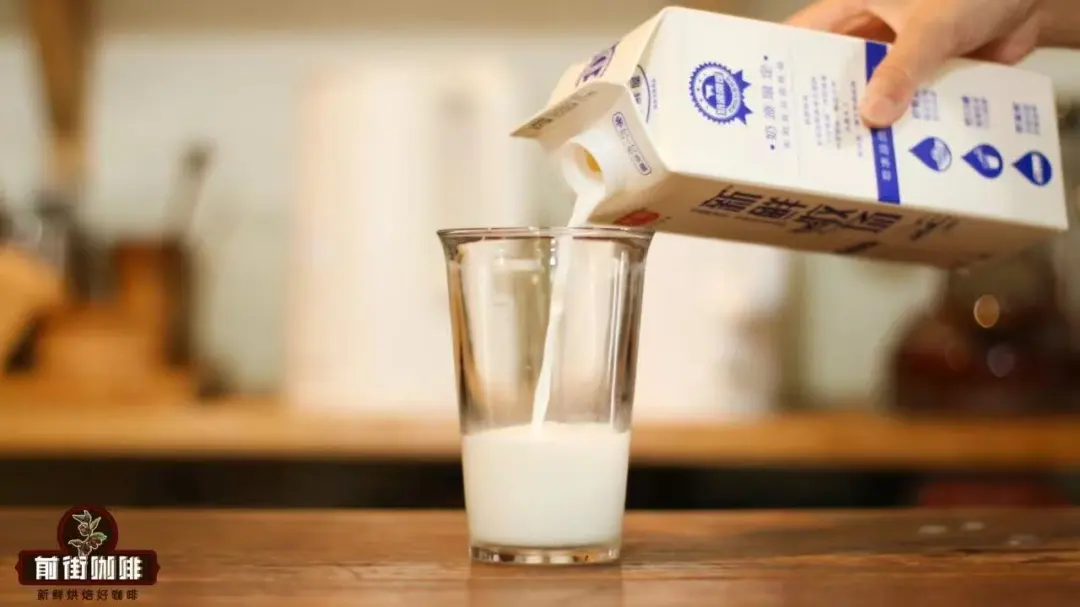
Many people prefer using fresh milk when brewing lattes at home, believing it retains more natural flavor and nutrients. Compared to UHT (ultra-high temperature) sterilized milk, fresh milk is usually processed with lower-temperature pasteurization, which preserves more active proteins but also makes it more sensitive to storage conditions. If the milk is not kept at sufficiently low temperatures during transportation or storage, its quality can easily deteriorate, thereby affecting the performance of the milk foam.

Normally, when milk is frothed, air is evenly enveloped by milk fat and casein, forming fine and stable foam. However, if the milk has started to spoil, microbial activity or increased acidity can damage the casein structure, preventing it from effectively trapping gas. As a result, the bubbles formed are not only coarse but also very fragile. When this kind of foam is mixed with espresso, its stability is further compromised, and shortly after pouring the latte art, you’ll often see numerous irregular bubbles appearing on the liquid surface.
To determine whether milk has spoiled, it’s recommended to observe the following: first, check for any abnormal sour or rancid odors; second, look for any flocculent or granular sediment on the surface; finally, observe whether the frothing state differs significantly from usual — for example, if fine bubbles are hard to form or the amount of foam is noticeably reduced. These signs can help you preliminarily assess whether the milk is still suitable for frothing.
It’s worth noting that even if the milk is still within the shelf life indicated on the packaging, it doesn’t fully guarantee its quality, especially if proper temperature control wasn’t maintained during storage and transport. Therefore, it’s advisable to store purchased fresh milk properly and use it as soon as possible after opening.
II. The Impact of Overly Fresh Coffee Beans
In addition to the milk itself, the roast freshness of the coffee beans is another important factor affecting milk foam stability. Freshly roasted coffee beans continue to release large amounts of carbon dioxide right after roasting. These gases can interfere with the structure and stability of the crema during espresso extraction, which in turn affects how well it blends with the milk foam.
Although the extracted coffee oils (crema) may appear rich, the excessive presence of gases makes the oil layer relatively loose and unable to provide sufficient support for the milk foam. When delicate milk foam comes into contact with this type of oil, it tends to form large and loose bubbles. While not as severe as spoiled milk, this still accelerates the breakdown of the overall design.
To achieve more stable latte art results, it’s recommended to use coffee beans that are 7 to 21 days post-roast. This period is generally considered the golden window for both flavor and extraction performance — retaining rich aromas while ensuring a denser crema structure.
III. Milk Frothing Technique and Temperature Control
The most direct and common issue is often the poor quality of the milk foam itself. If the foam is too coarse, not fine enough, or the temperature exceeds the suitable range (generally recommended to be controlled between 55°C and 65°C), it can significantly reduce the stability of the foam. Overheated foam is not only prone to breaking but can also affect overall taste and integration.
Fine and dense milk foam usually results from uniform agitation and an appropriate amount of air incorporation. It’s recommended to use a professional milk frother and pay attention to the angle and distance of the steam wand, allowing the milk to heat and froth evenly as it spins. Avoid over-aeration during frothing, as it can create large bubbles that are not conducive to the formation of latte art patterns.
If you find that the foam has already been poorly frothed, trying to improve it slightly by pouring it back and forth or gently shaking may help marginally, but the effect is limited and won’t fundamentally solve the problem of unstable foam. Therefore, the key to ensuring milk foam quality lies in the frothing technique and temperature control beforehand.

In summary, the issue of latte art foam breaking isn’t caused by a single factor but is the combined result of the milk, coffee beans, and frothing technique. By choosing fresh and properly stored milk, using coffee beans within the optimal roast period, and mastering precise frothing techniques and temperature control, you’ll be able to significantly enhance milk foam stability, making every cup of latte art not only delicious but also professionally beautiful.
The above content is compiled by CoffeeHunters, a coffee news website.


