







Introduction:Changsha’s once-must-visit tea brand Cha Yan Yue Se has recently drawn attention due to the successive closures of multiple outlets. From long-established stores operating for nearly a decade to popular locations in busy commercial districts, the wave of closures reflects not only strategic brand adjustments but also exposes the disconnect between the "standing-in-line" verification mechanism and consumer demand. This article delves into the current state of store closures, pain points in consumer experience, and the key challenges facing the brand’s sustainable operation.
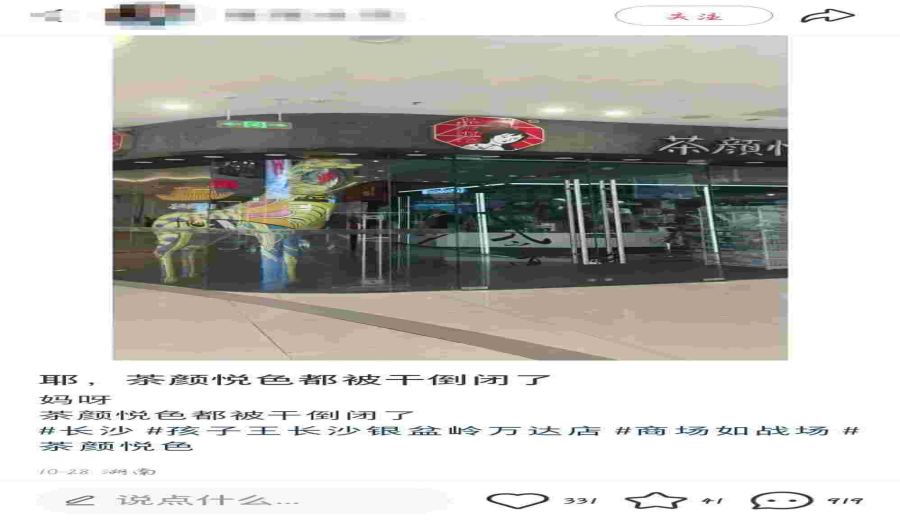
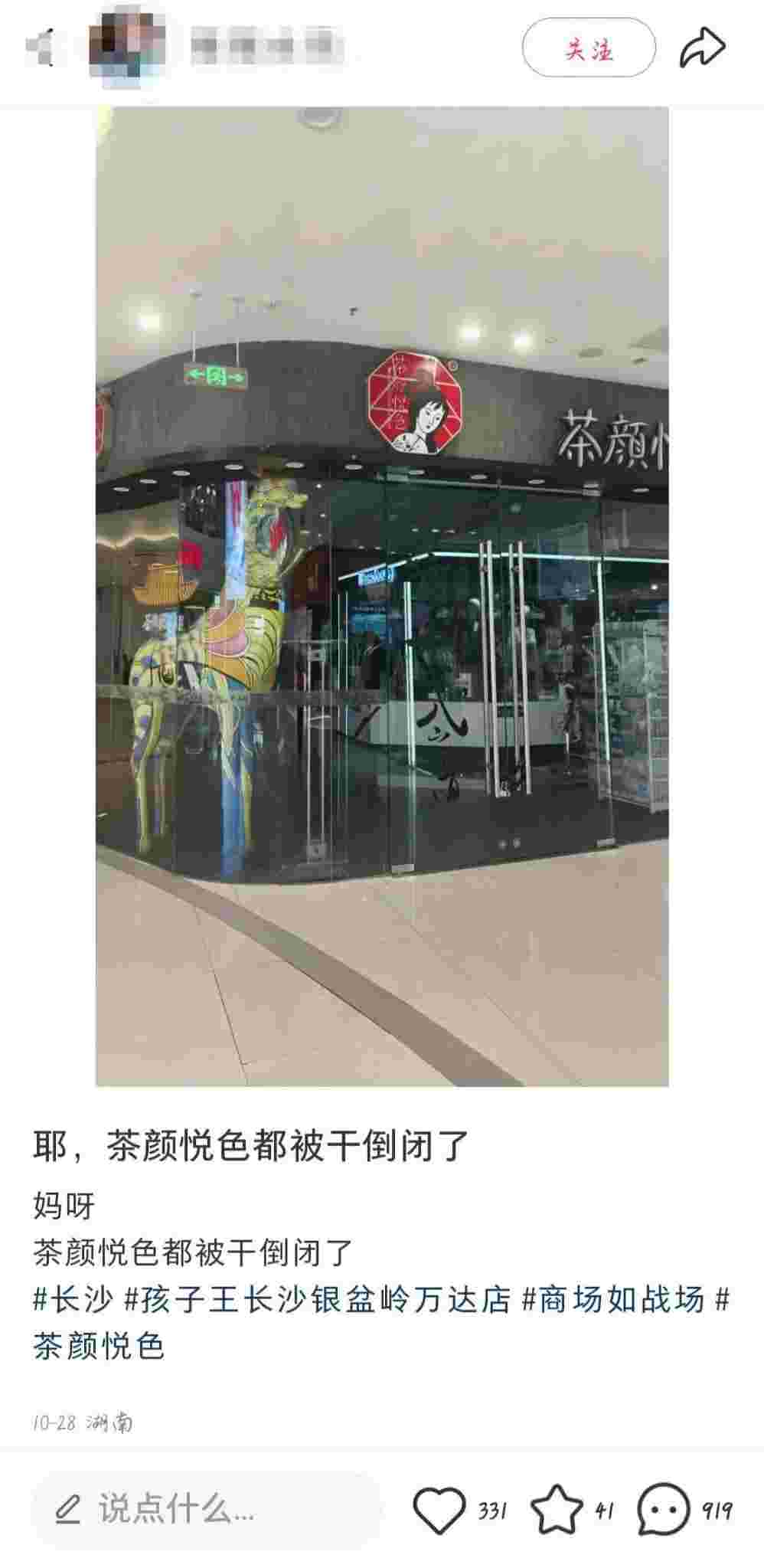
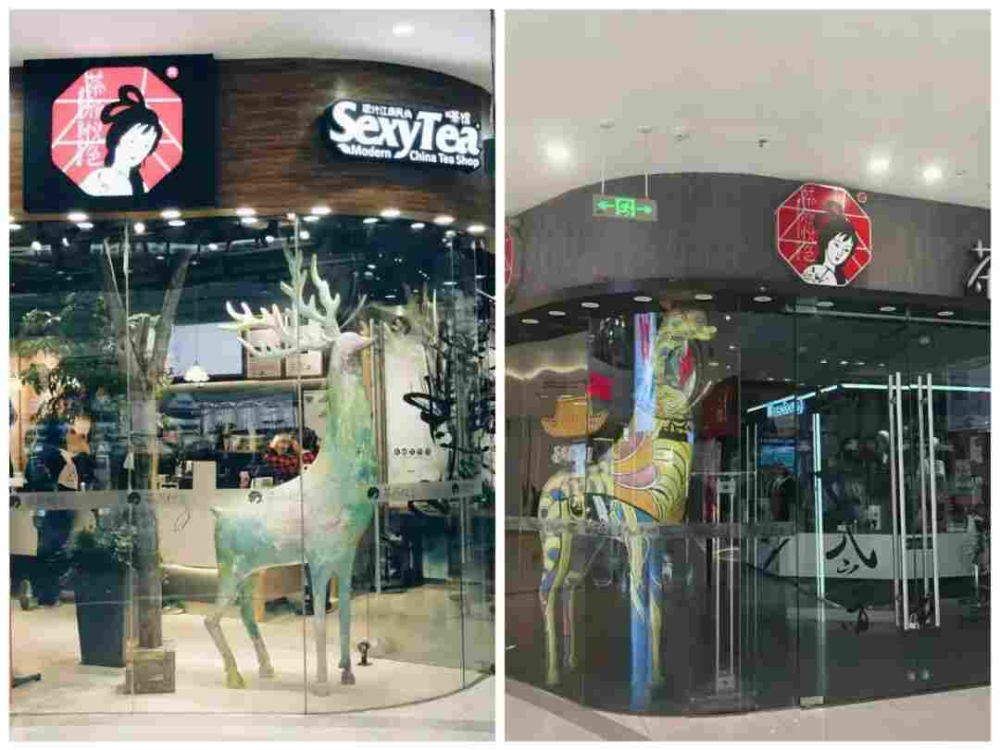
Recently, netizens noticed that a Cha Yan Yue Se outlet in Changsha’s Yinpenling Wanda Plaza had quietly shut down. This long-standing store, which opened in 2016, witnessed the mall’s name change from "Ouxes Plaza" to "Yinpenling Wanda Plaza," yet closed without much notice. Nearby residents recalled how they used to wait in line for half an hour just to buy a bubble tea, but now even the store sign is gone.
This is not an isolated case. Social media has successively exposed the closure of four outlets at Changsha South Railway Station, the first-floor store at Huachuang International Plaza, the first-floor outlet at Changde Wanda, and the subway station store at Wuhan Fozuling, among others.Comments from users in cities such as Chongqing and Wuhan also revealed thatCha Yan Yue Se outlets near them are also scaling back operations, with some stating bluntly, “There isn’t a single store within three kilometers.”
The reasons behind the closures vary widely. Some believe the brand is proactively optimizing its store layout, such as phasing out the campus store model; other analyses point to the impact of declining foot traffic in malls. Butthe more critical controversy centers on the unique "standing-in-line" verification process—customers must scan a QR code in-store to verify their order before the staff begins preparing the drink. This design, which is completely different from the mainstream tea shop model of "pre-verification + instant pickup," causes inconvenience for efficiency-seeking consumers.
In actual experience, customers have to wait around 5–8 minutes in-store (depending on the complexity of the drink), during which they cannot check the status of their order in advance. Compared to the common mobile pre-order and in-store pickup model, this process adds unnecessary time costs. Multiple interviewees stated: “Now even bubble tea requires waiting—might as well choose another brand.”
Aside from the verification mechanism,a decline in product quality consistency is also a major reason for losing loyal customers. Some consumers posted photos complaining: “After requesting no ice, the liquid is only half a cup, and the foam is too thick,” or “The taste isn’t as rich as it was three years ago.” Industry observations show that when stores expand into non-core cities, it becomes harder to maintain consistency in raw material supply chains and preparation standards.
Notably, Cha Yan Yue Se was once a city landmark for Changsha, with peak-period stores seeing daily queues exceeding two hours.But consumer habits have fundamentally changed—third-party data shows that in 2023, 68% of ready-to-drink tea customers prioritized "speed of service," while only 22% were willing to wait longer for "photo-worthy experiences." This shift in demand puts traditional-format stores under greater pressure.
Currently, the brand’s decision to close underperforming stores is seen as a strategy to cut losses in a timely manner.From a business perspective, focusing on high-efficiency locations and improving user experience (such as introducing pre-order systems) may be the key to breaking the deadlock. Whether it can reclaim its former glory depends on how quickly it adapts to market changes.
The above content is compiled by CoffeeHunters, a coffee news website.


