







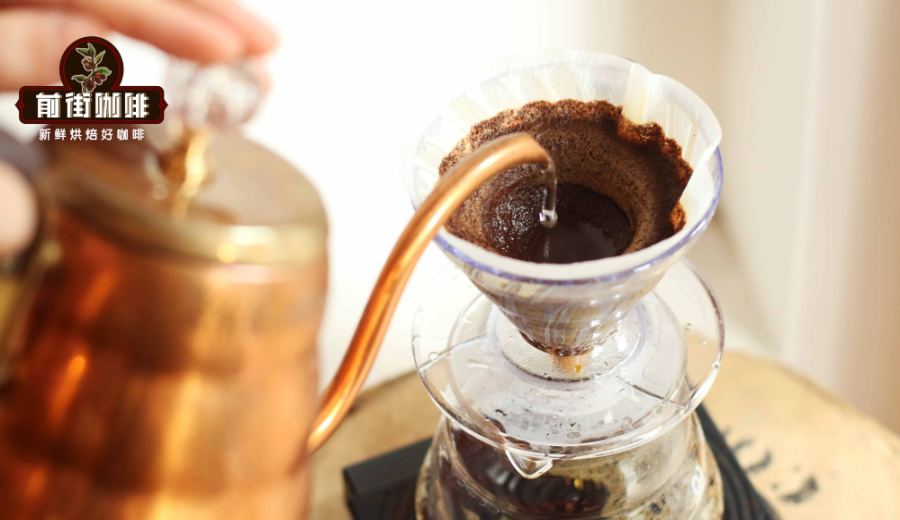
Introduction:Want to explore more possibilities with pour over coffee? This article introduces a “low-temperature fine-grind slow pour” technique inspired by cold brew. By using a grind size close to that of espresso and a low water temperature of 50°C, along with a three-stage pouring method, it fully releases the acidic and sweet layers of the coffee while avoiding over-extraction. Using a medium-roast bean as an example, we detail key parameters such as grind setting, brew ratio, and extraction time, and compare the flavor differences with conventional pour over, offering practical operation tips and answers to common questions.
The charm of pour over coffee lies in how simply changing the brewing method can showcase completely different flavor profiles from the same beans. The “low-temperature fine-grind slow pour” technique we’re sharing this time draws inspiration from the operating logic of automatic cold brewers—grinding the coffee to a fineness close to that used for moka pot brewing, then slowly extracting with low-temperature water. This combination not only extracts a more comprehensive range of flavor compounds from the coffee, but also effectively reduces the risk of over-extraction.
The principle behind it is this: an extremely fine grind increases the contact area between coffee grounds and water, releasing more acidic and sweet molecules; while low water temperature slows down the extraction rate, preventing fine grounds from clogging the filter paper and causing poor water flow, while also suppressing over-extraction. In addition, lightly tamping the coffee bed before brewing can further control the flow rate, making the extraction process more thorough and stable.
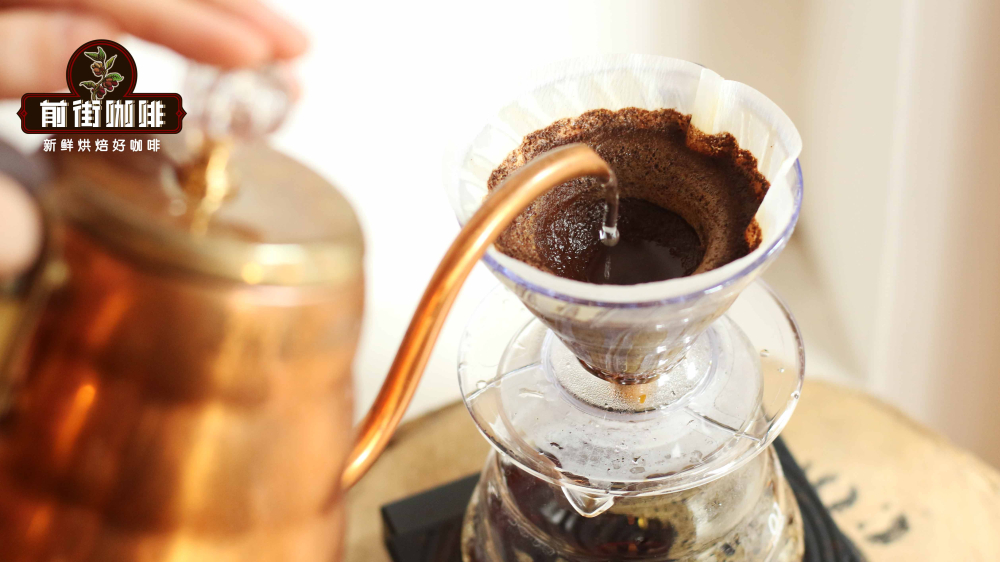
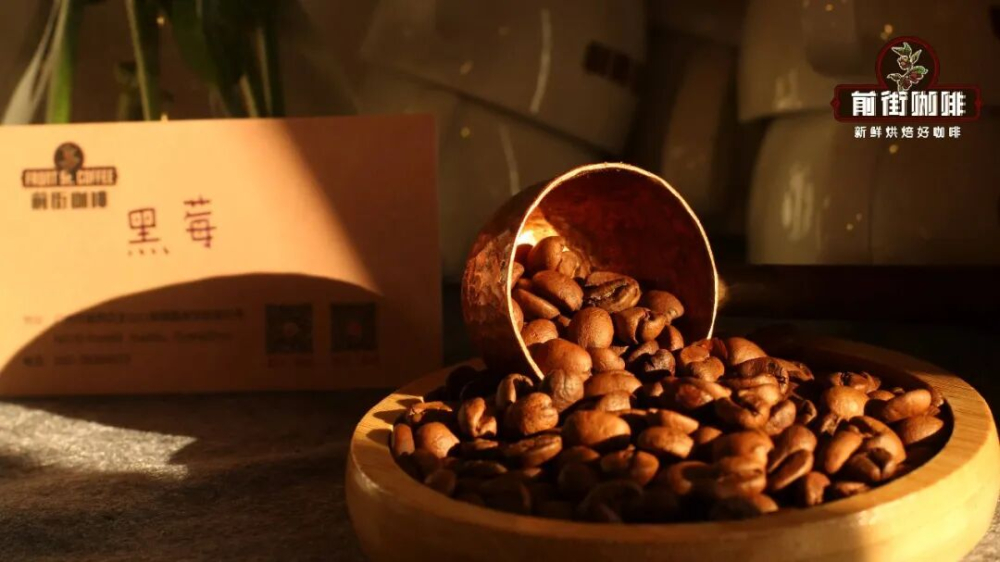
For this demonstration, we selected a medium-roast bean called “Blackberry,” processed using honey processing, which boasts rich berry aromas and a full-bodied grape juice-like mouthfeel, making it suitable for various brewing methods. The specific parameters are as follows: 18 grams of coffee, 300 grams of water (brew ratio 1:16.6), grind size equivalent to that used for a moka pot (EK43s grinder setting at 1 click / C40 hand grinder setting at 10 clicks), water temperature at 50°C, using a three-stage pouring method.
Practical steps: First, place 18 grams of coffee grounds into the filter cone, gently tap to level, and break up any clumps using a distribution tool. Then tamp moderately with a punch or clean flat tool. The first stage involves pouring 40 grams of 50°C water for blooming for 30 seconds; next, pour 150 grams of hot water within a coin-sized area; once the coffee has completely dripped through (approximately 1 minute and 8 seconds), finish by pouring in a large circle to reach a total of 300 grams (total extraction time 2 minutes and 36 seconds, can be completed in multiple stages).
For comparison, we also brewed using conventional pour over parameters: 18 grams of coffee, 270 grams of water (brew ratio 1:15), grind size similar to fine sugar (EK43s setting at 9.5 clicks / C40 setting at 24 clicks), water temperature at 92°C, using a three-stage pouring method (first stage 30 grams for blooming for 30 seconds, second stage pour until 150 grams and wait for the liquid level to drop, then pour until 270 grams, total time 2 minutes and 3 seconds).
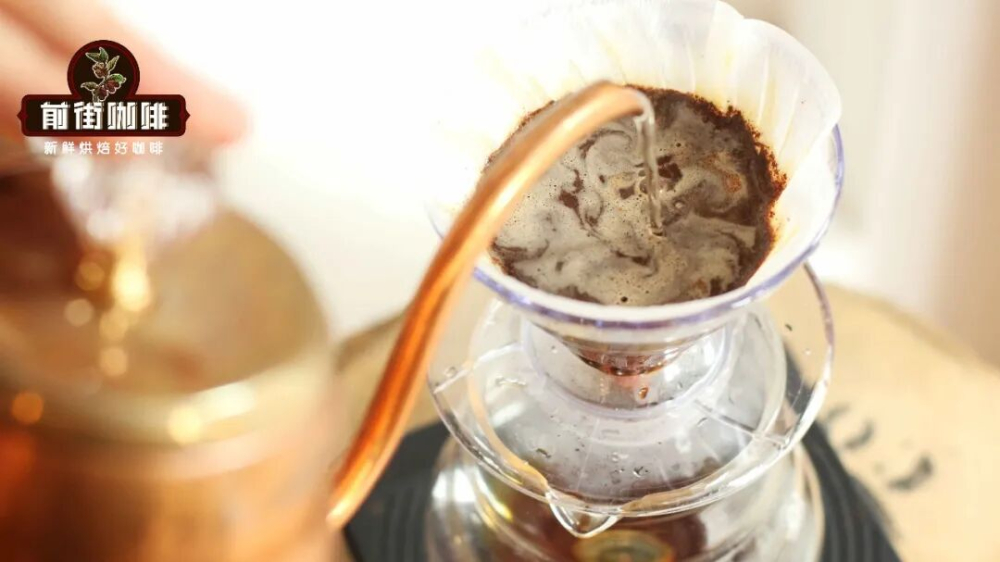
The flavor differences are clear: the conventional version presents a full-bodied mouthfeel, with notes of grape juice, citrus, berries, floral, and slight fermentation, with a chocolatey aftertaste; whereas the low-temperature fine-grind slow pour version showcases flavors of red grapes, berries, peaches, and light florals, with a prominent clean sweetness, high clarity, and almost no bitterness, though with slightly less body and slightly weaker aroma persistence.
Practical Notes:① Low water temperature can cause the coffee to cool quickly, so it’s recommended to use a filter cone with good heat retention and to preheat both the server and the filter cone;② An overly fine grind may cause clogging, beginners can try a middle value between espresso and pour over grind settings (such as 5 clicks), and appropriately increase the water temperature to 60°C;③ Parameters can be flexibly adjusted—for light to medium roast beans, increase the water temperature by 5°C and use a 1:17~1:18 brew ratio to enhance flavor; for dark roast beans, reduce the water temperature by 5°C and adjust the brew ratio to 1:16~1:17 to improve body.
The above content is compiled by CoffeeHunters, a coffee news website.


