







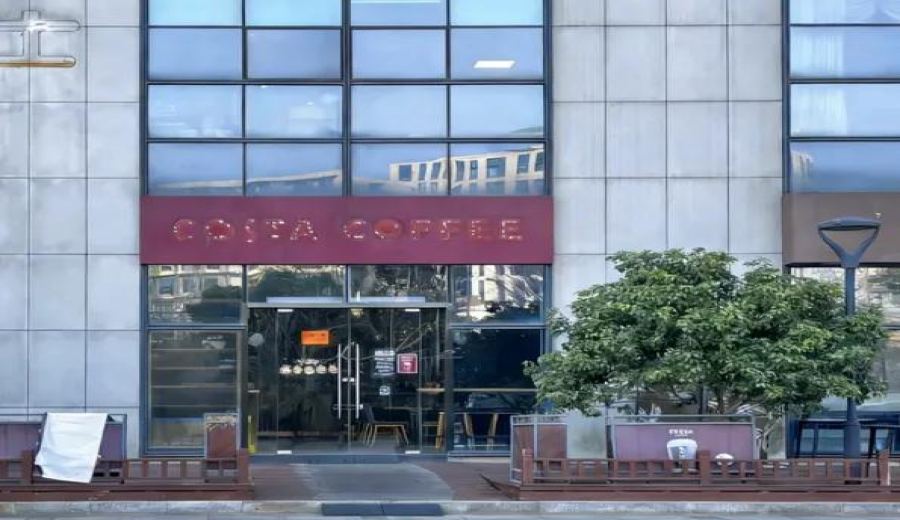
Introduction:Costa, a British coffee brand that once rivaled Starbucks, has recently closed its last regular outlet in Ningbo quietly, retaining only hospital and transportation hub locations. Multiple cities across the country have also seen a stream of store closures—within 90 days, it opened 5 new stores but shut down 23, with approximately 300 stores currently in operation. This report takes you through the current state of Costa’s contraction in the Chinese market and explores the appeal and challenges of its classic coffee offerings and the concept of the "third space."
Recently, a netizen from Zhejiang shared news that the last regular Costa outlet in Ningbo—the Jiangbei Xinjie branch—has quietly closed, sparking resonance and discussion among many consumers. This British coffee chain, which once had 8 outlets in Ningbo, has now completely withdrawn its regular stores, leaving only a few locations at hospitals and transportation hubs.
According to the netizen’s recollection, Costa entered the Ningbo market in 2010 and, at its peak, operated multiple outlets in areas such as Moon Lake Shengyuan and Yinzhou, winning popularity among office workers and students. However, since 2020, outlets have gradually closed one after another, until the last Jiangbei Xinjie branch also shut its doors. Currently, only the Yinzhou People's Hospital branch and one transportation hub location remain in Ningbo. Some local residents added that the Yinzhou People's Hospital branch may also close by the end of this month due to the expiration of a service contract.
Many loyal customers expressed their reluctance to see the closures. One recalled: “Back when I was a student, I’d save up my weekly allowance just to buy a latte in a tulip cup at the Moon Lake Shengyuan branch.” Another netizen commented: “That place was where my colleagues and I took our afternoon naps. It’s really gone now.” These memories highlight the once prominent position Costa held in the local coffee scene and the unique atmosphere it cultivated.
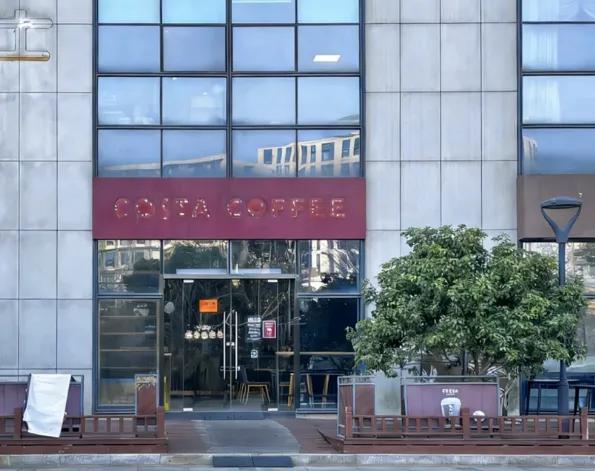
Nationwide, the trend of Costa’s contraction is equally evident. In addition to Ningbo, stores such as the Shanghai Fenyang Road branch, Hangzhou Hefang Street branch, and Tianjin Eco-City Aegean Sea branch have also ceased operations in recent months. According to market monitoring data, although Costa opened 5 new stores in the past 90 days, it simultaneously closed 23, leaving the total number of operating stores nationwide at around300, a stark contrast to its previous expansion momentum.
At one time, Costa was one of Starbucks’ main competitors in the Chinese market, known for its British-style red signage, rich coffee flavors, and comfortable "third space." Many consumers believe that Costa’s coffee was on par with Starbucks, with some drinks even receiving more praise, especially among first-time coffee drinkers. Moreover, the spacious seating, soft lighting, and cozy ambiance made it an ideal spot for work or dates for many.
However, with the rise of domestic coffee brands and increasingly fierce competition in the chain coffee market, Costa appears to have failed to adjust its strategy in time to adapt to the changes. Foot traffic at its outlets has generally declined, with many branches seeing sparse customer visits during business hours, making it difficult to balance rent, labor, and daily operational costs, ultimately leading to closures upon lease expirations.
For many loyal customers, Costa was not just a place to buy coffee, but also carried many fragments of life and emotional connections. As these familiar stores close one by one, aside from the regret over the brand’s fading presence, there is also nostalgia for those once-beautiful times. Someone sighed: “Seeing the lights go out in the stores feels like a part of my own memories being taken away too.”
The downsizing of Costa Coffee reflects the localization and market adaptation challenges international brands face in the Chinese market. Whether it can regain market recognition in the future by adjusting product strategies, optimizing store layouts, or focusing on specific consumer scenarios remains something to watch. For consumers who appreciate British-style coffee culture, how to sustain this unique coffee experience has also become a question worth pondering.
The above content is compiled by CoffeeHunters, a coffee news website.


