








Introduction:Coffee whipped cream is not just a decorative topping—it’s the soul base of many classic coffee drinks. This article dives deep into the preparation methods of 400-fold hand-whipped coffee, Neapolitan coffee, and coffee ice cream, breaks down the ingredients and ratios of coffee whipped cream, and explores how the difference between instant coffee powder and espresso impacts flavor. It also offers suggestions on selecting dark roasted beans to help readers adjust sweetness and flavor balance, making it easy to recreate these popular coffee beverages.
Coffee whipped cream, this seemingly ordinary ingredient, actually holds endless possibilities and can be used to create a variety of astonishing coffee drinks. Among the most representative are the recently viral 400-fold hand-whipped coffee and the Italian classic, Neapolitan coffee. These two drinks may have simple appearances, but they showcase distinct charms—one light and fluffy, the other rich and bold—both thanks to the clever use of coffee whipped cream.
This article will comprehensively analyze the preparation methods of these two classic drinks and provide an in-depth introduction to the components and key techniques of coffee whipped cream, helping readers understand how to adjust texture and flavor based on the ingredients used, such as instant coffee powder or espresso. Additionally, we’ll share tips on selecting dark roasted beans—for example, medium to dark blends or specially crafted Espresso beans—which help shape the ideal sweetness and aroma layers.

When it comes to coffee whipped cream, many may already be familiar with it. But did you know? It has long appeared in many well-known coffee drinks—not just as a flavor enhancer, but as an essential structural component. For example, the 400-fold coffee that gained popularity through Korean variety shows is made by manually whipping air into the coffee whipped cream, creating a texture as smooth as yogurt.

When choosing coffee beans to make coffee whipped cream, it’s recommended to prioritize medium-dark to dark roasted beans. These beans typically have rich caramel, nutty, and chocolatey notes, which balance well with sugar and milk flavors. Common dark roasted blends or specially made Espresso beans are great choices. If you prefer to blend your own, you can also refer to the bean lists provided by professional shops and select items with concentrated flavors and sweet aftertastes.
Let’s first take a look at the most well-known 400-fold coffee. This drink originated in Macau and is said to have been originally developed by a local café named Han Ji. Its name comes from the process of hand-whipping the mixture about 400 times, incorporating air into the coffee whipped cream to achieve a texture similar to thick yogurt. Initially, this drink only had local fame, but it wasn’t until the Korean variety show filmed its preparation process during the pandemic that it quickly sparked a hand-whipped coffee trend on social media.
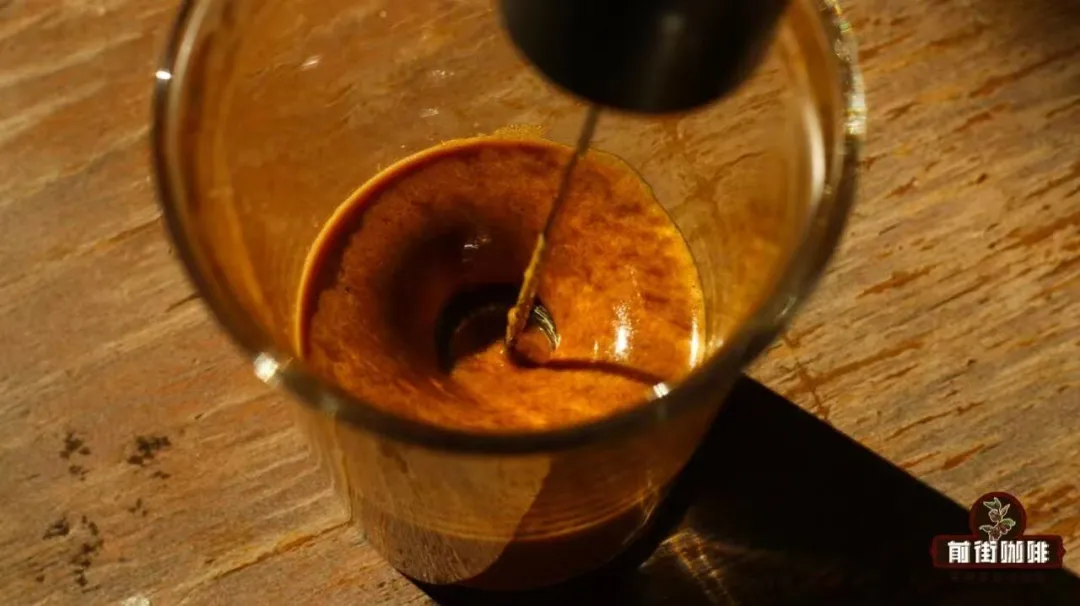
The basic recipe for 400-fold coffee is very simple, usually consisting of one and a half tablespoons of instant coffee powder, two tablespoons of hot water, and one tablespoon of sugar, whisked until it reaches a yogurt-like thickness, then mixed with an appropriate amount of milk to adjust the texture. If you don’t have instant coffee at home, you can substitute it with espresso, but keep in mind that espresso has an intense flavor, so it’s advisable to reduce the sugar to avoid it becoming overly sweet. No matter which base you use, the key lies in incorporating enough air while whipping to create that light yet fluffy unique texture.
Once you’ve finished whipping, the un-mixed coffee whipped cream will carry a strong coffee aroma and a mildly sweet, silky feel, with a texture similar to yogurt that melts instantly in the mouth. As milk is added and mixed in, the overall drink becomes smoother, with sweetness and coffee aroma achieving the perfect balance—neither cloying nor lacking in coffee complexity.
Next, let’s talk about another classic—the Neapolitan coffee. This drink originating from Naples, Italy, can be seen as the locals’ ingenious response to the bitterness of coffee. Neapolitan coffee is essentially a standard shot of espresso, but topped with a thick layer of coffee whipped cream, creating a visual and flavor contrast.
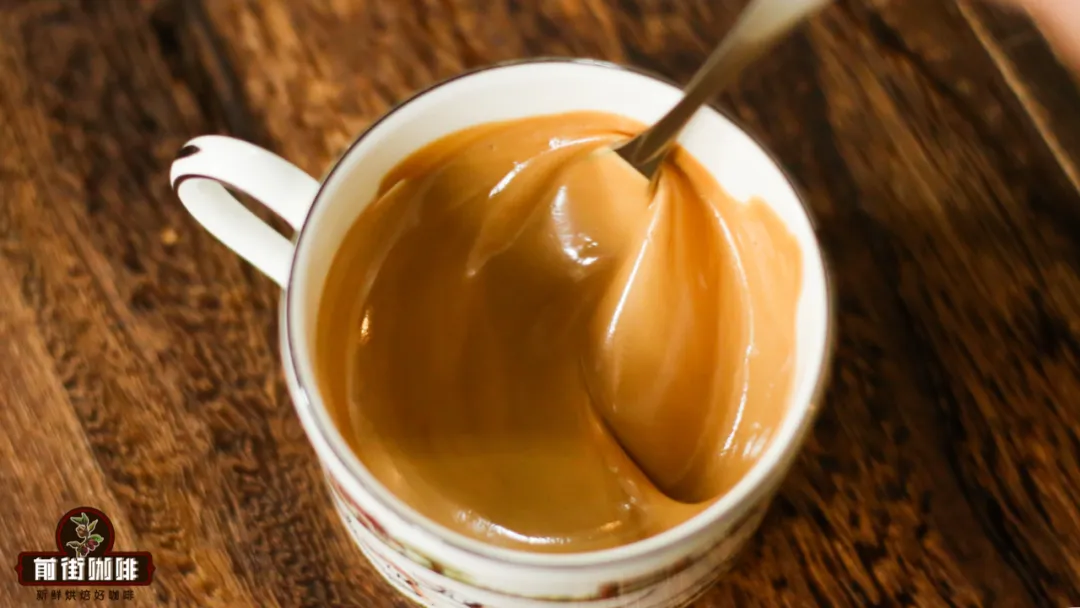
The charm of this drink lies in its simplicity yet refinement. When you gently stir and take a sip, you first experience the smoothness and sweetness of the coffee whipped cream, followed by the rich flavors of the espresso gradually unfolding. Since no milk is added, the intrinsic characteristics of the coffee are fully presented, including chocolate, nuts, caramel, and even a hint of buttery aroma. This combination achieves an excellent balance between sweet and bitter, making it a classic beloved by many coffee enthusiasts.

Finally, we can’t miss coffee ice cream made using coffee whipped cream. This is a highly creative application—simply freeze the whipped coffee cream in the refrigerator for about two hours, and it transforms into a dessert with a texture similar to ice cream. Because the cold environment reduces the tongue’s sensitivity to sweetness, what might otherwise taste a bit too sweet or heavy in the coffee whipped cream instead presents a perfectly balanced flavor when frozen, making it perfect for summer enjoyment.
In summary, whether it’s the smooth silkiness of 400-fold coffee, the bold balance of Neapolitan coffee, or the creative variation of coffee ice cream, the core of these drinks all hinges on the clever use of coffee whipped cream. Once you understand its preparation principles and material characteristics, you can easily recreate these classics at home and further adjust the recipes according to your personal taste, exploring your own world of coffee flavors.


The above content is compiled by CoffeeHunters, a coffee news website.


