







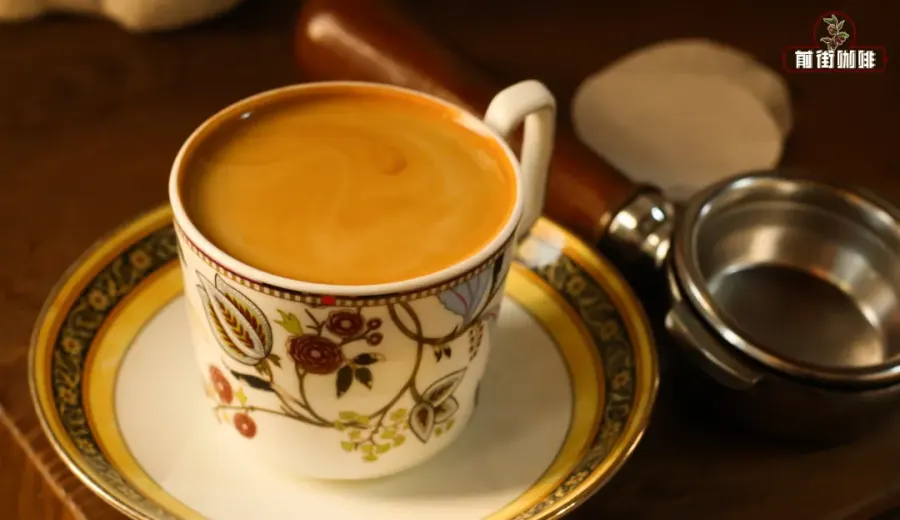
Introduction:When brewing espresso, some baristas place filter paper at the bottom of the portafilter basket to improve the taste of Americano. But does this really enhance clarity? And could it affect aroma and body? This article explores, through practical comparison, how filter paper impacts the filtration of fine coffee particles, aroma release, and overall flavor complexity—helping you find the brewing method that suits your taste.
In the process of turning espresso into Americano, some coffee enthusiasts or professional baristas may add one or two extra sheets of filter paper at the bottom of the portafilter. This small action actually has a notable impact on the final taste and clarity. This article will examine, based on direct comparisons, the clear changes in cleanliness, aroma, body, and overall flavor complexity when using filter paper, and analyze the science behind it.
The primary function of filter paper is to trap the fine coffee grounds in espresso. Although the espresso portafilter basket has some filtering capability, its density is not enough to completely block extremely fine coffee particles. These fine particles often get released into the coffee liquid along with the crema, and especially after the crema dissipates or is stirred, they are more likely to settle at the bottom of the cup, resulting in a powdery mouthfeel in the later sips. Using filter paper can effectively filter out these tiny particles, thereby improving the overall clarity of the coffee.
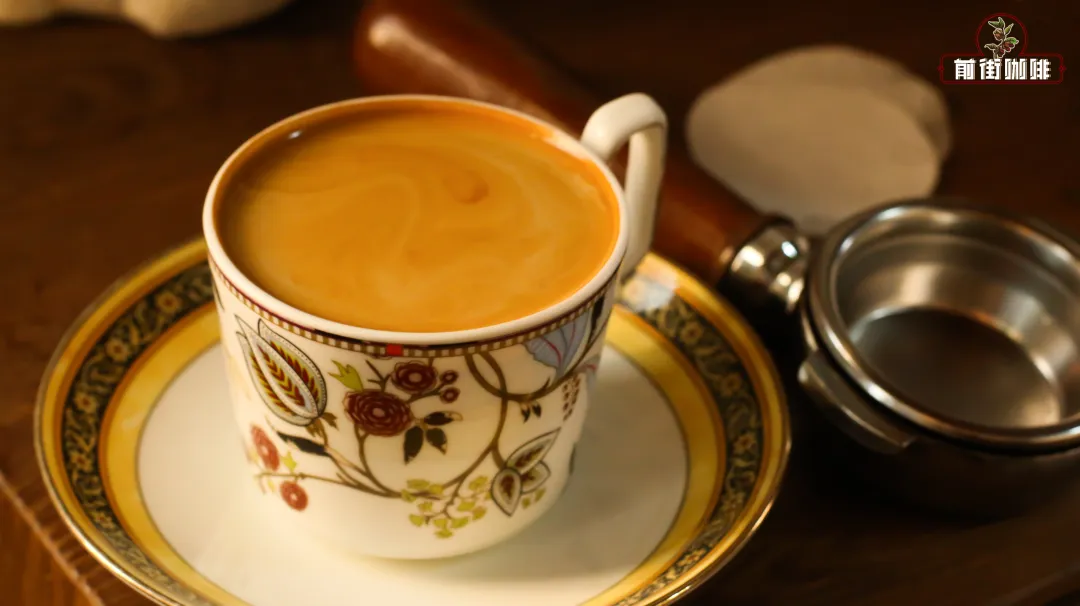
But why is this practice more common in Americano and rarely used in other milk-based coffees like latte or cappuccino? The key lies in the different flavor demands of various drinks. Americano emphasizes a clear presentation of the coffee’s essence, so clarity is often the top priority. In contrast, milk-based coffees benefit from the addition of milk, which can mask the effects of fine particles to some extent, while also requiring the body and complexity contributed by lipids and fine grounds to complement the smooth texture of milk.
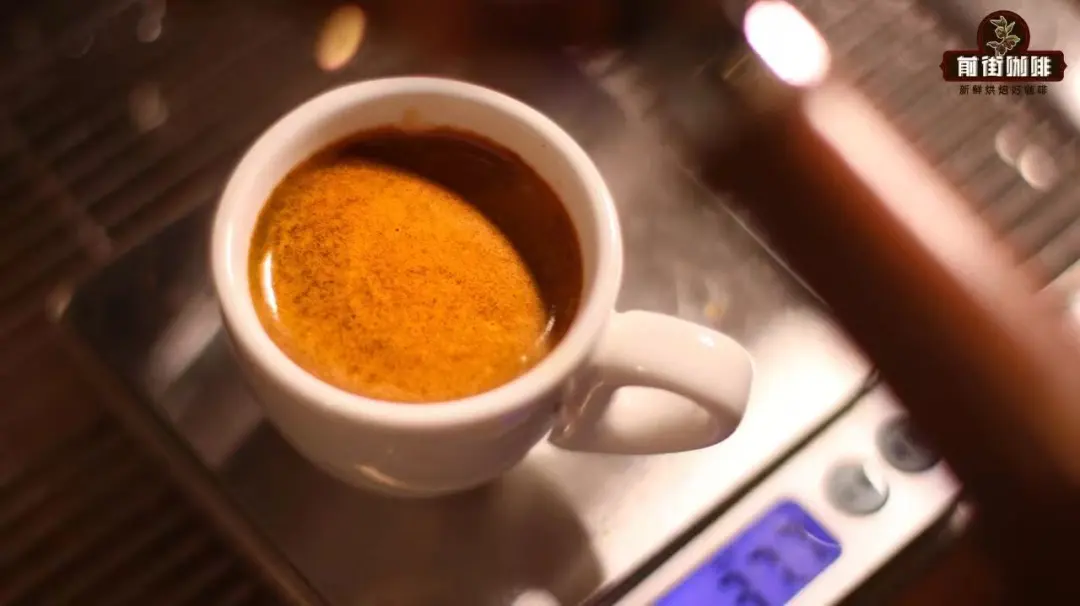
In our actual tests, we used the same blend—Strawberry Sugar · Espresso—for a comparative experiment. The extraction parameters for both Americanos were identical: 20 grams of coffee grounds, an extraction time of about 30 seconds, yielding 40 ml of espresso, followed by the addition of 160 ml of hot water. The only difference was that one cup had two sheets of filter paper placed at the bottom of the portafilter before extraction, while the other followed the standard method without filter paper.

The tasting results showed that the Americano with filter paper had a noticeably cleaner and crisper taste, with less sediment sensation from start to finish—especially in the latter half of the drink, where no roughness from settled fine particles was detected. In contrast, the version without filter paper had a richer flavor profile but tended to exhibit a powdery mouthfeel in the later sips, particularly after the coffee had been left to sit for a while. This difference offers practical insight for those seeking a smoother, less “noisy” cup.
However, using filter paper is not without drawbacks. Research shows that in addition to trapping fine particles, filter paper also intercepts some of the lipids in the coffee. Lipids are important carriers of coffee aroma. Although espresso extraction is performed under high pressure—so the impact of filter paper on aroma is less than in pour over—the use of filter paper still leads to the loss of some volatile aromatic compounds. As a result, the Americano made with filter paper, while cleaner, often has slightly less vibrant flavors and a less rich aroma compared to the version without filter paper.
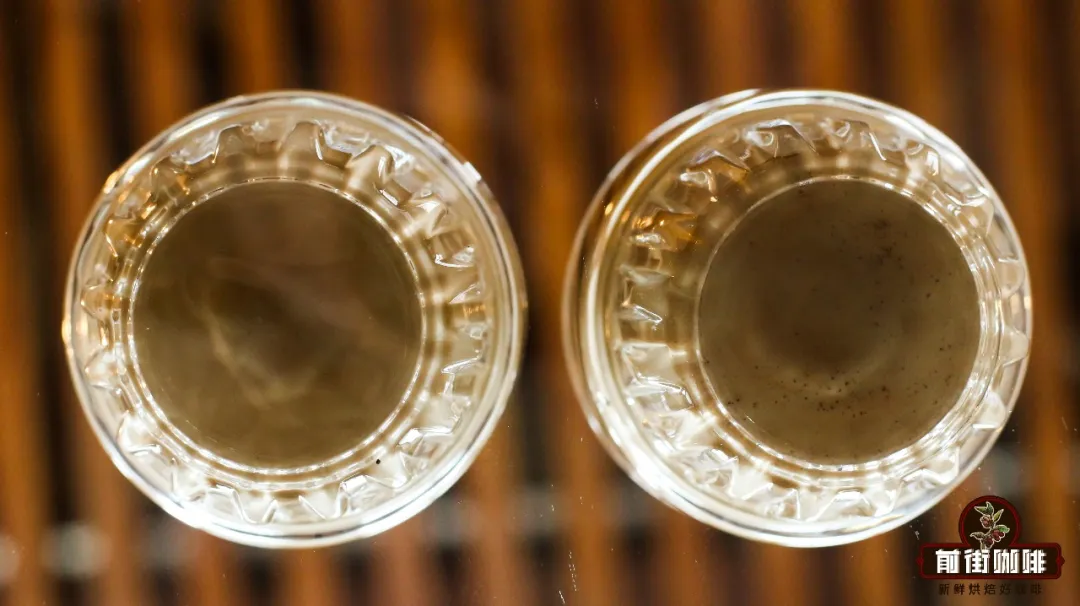
In addition, fine particles themselves contribute to the body of the coffee. Beyond possibly adding slight bitterness, they also enhance the texture and mouthfeel support of the coffee. Therefore, for coffee drinks meant to be paired with milk—such as latte or cappuccino—baristas usually avoid using filter paper to preserve the coffee’s richness and structure, ensuring that the drink retains sufficient flavor depth and texture balance even after milk is added.
Overall, whether to use filter paper at the bottom of the portafilter depends on the flavor profile you’re aiming for. If you prefer an Americano with a clean, light mouthfeel, low sediment, and a focus on highlighting the pure essence of coffee, then using filter paper is a method worth trying. However, if you enjoy a fuller-bodied, complex coffee experience—or often drink milk-based coffee—you may not need this step, or might even want to avoid it, in order to preserve the full effects of lipids and fine particles.
In summary, the use of filter paper is a trade-off: it improves clarity, but may sacrifice some aroma and flavor richness. Every coffee lover can choose the brewing method that best suits their palate preferences—whether you’re drawn to a clean and simple cup or a bold and rich one, each approach has its own unique charm.
The above content is compiled by CoffeeHunters, a coffee news website.


