







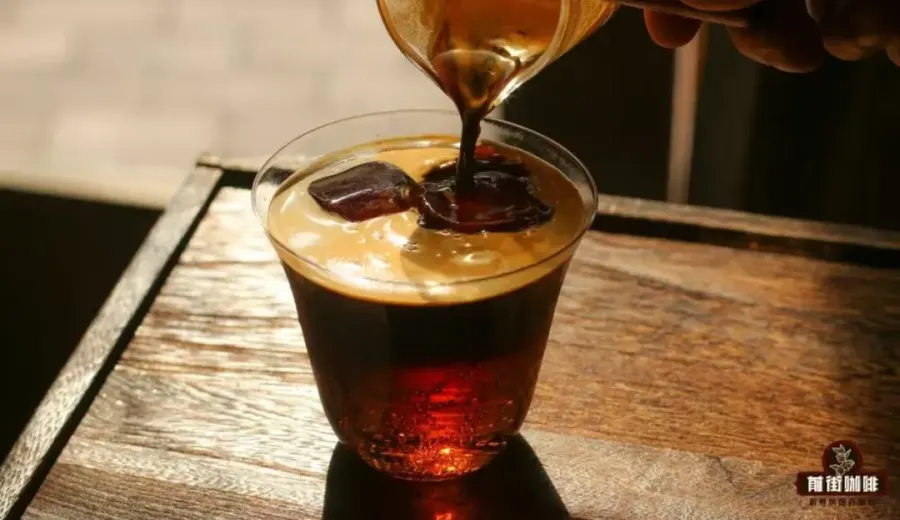
Introduction:Do you often encounter the frustrating situation when making a DIY sparkling iced americano at home — the moment you pour the coffee into the sparkling water, it foams up violently and overflows the cup? This is actually related to the release of carbon dioxide, as well as reactions between coffee oils and proteins. This article will analyze the reasons behind this phenomenon and provide five practical tips, including reducing pouring force, filtering impurities, controlling temperature difference, and adjusting the ratio of sparkling water, to help you easily make a stable, non-spilling, and refreshing sparkling iced americano.
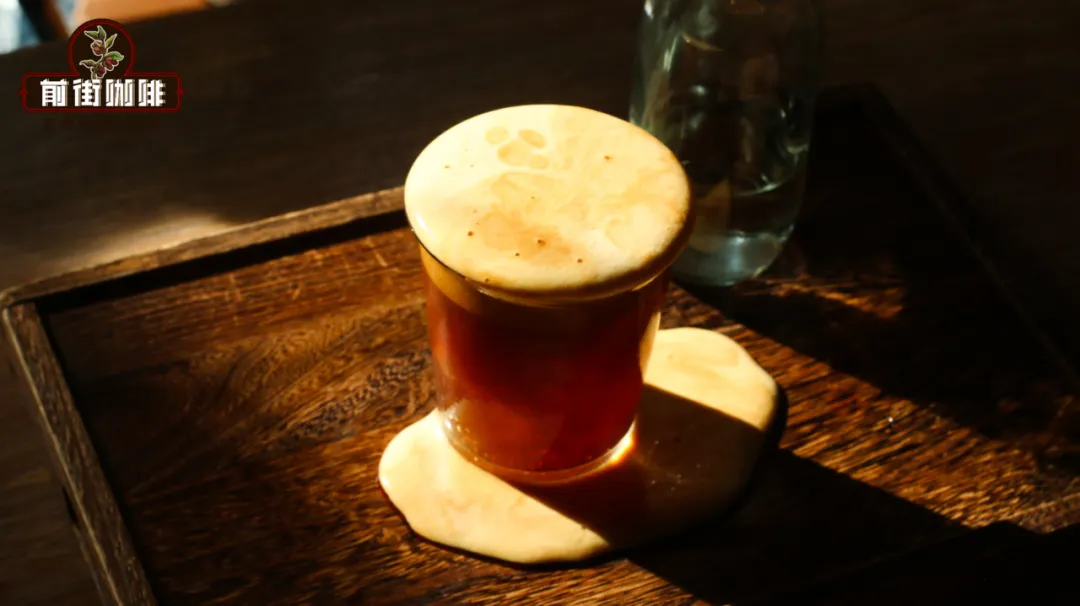
Making a sparkling iced americano at home is a joy for many coffee enthusiasts. Simply pour your freshly extracted espresso into carbonated sparkling water, and you can easily recreate a refreshing drink similar to those found in coffee shops. However, in practice, you often run into an annoying issue: the moment the espresso touches the sparkling water, the liquid in the cup starts to foam vigorously and may even overflow, creating quite a mess. In contrast, the sparkling iced americano served at coffee shops appears much more stable, with the coffee layer quietly floating on top of the bubbles, and even gentle stirring doesn’t produce excessive foam. What’s the difference here?
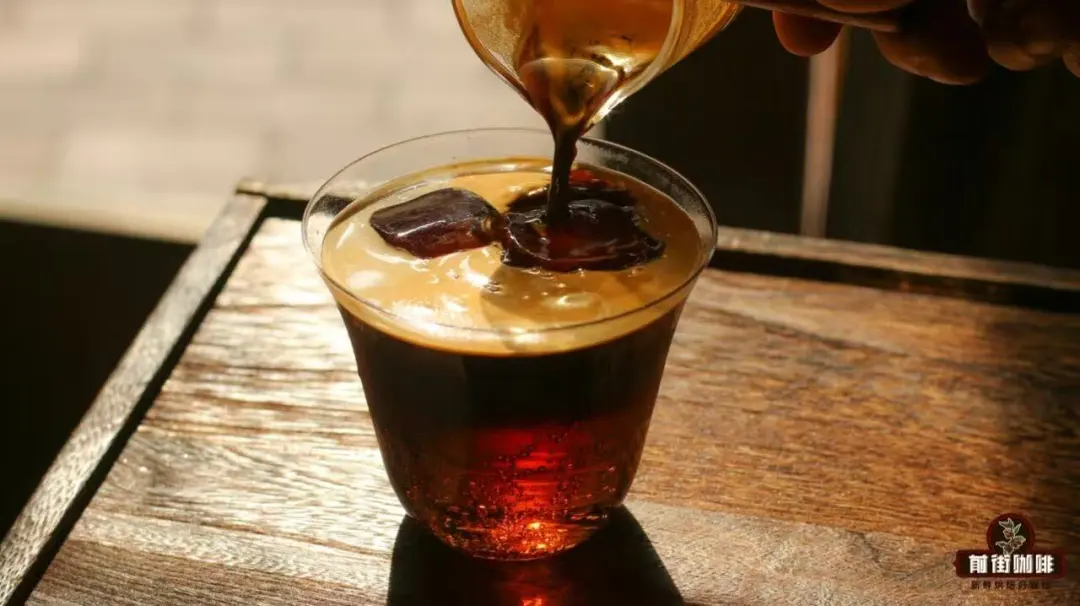
In fact, this foam formation is due to physical reactions between carbon dioxide, coffee oils, and proteins. Sparkling water is infused with a large amount of dissolved carbon dioxide under high pressure. When espresso is added, the previously stable gas equilibrium is disrupted. The carbon dioxide begins to release and interacts with the oils and proteins in the coffee, forming stable bubble structures, which leads to a significant amount of foam.
< >
Although this is a normal phenomenon, we can use some techniques to effectively reduce foam and prevent overflow. The key lies in minimizing the stimulation of the sparkling water by the coffee liquid. Below, we’ll share five practical and simple methods to help you make a smooth, visually appealing, and non-foamy sparkling iced americano at home.
1. Reduce the Impact When Pouring
When pouring espresso into sparkling water, if the height is too high or the speed is too fast, it will create a strong impact on the liquid, causing carbon dioxide to rapidly release and form a lot of bubbles. It’s similar to how, when you open a bottle of sparkling water and let it sit still, very few bubbles are produced, but if you pour it quickly into a glass, a lot of bubbles will immediately form.
Therefore, it is recommended that when pouring espresso into sparkling water, you should try toreduce the pouring height and speed— pour gently close to the liquid surface, or use ice cubes, lemon slices, or a small spoon as a buffer layer to allow the coffee to mix softly with the sparkling water. This method can effectively reduce the initial impact and lower the chance of foam formation.< ><
 >
However, note that this only reduces foam at the moment of pouring. If you stir vigorously afterward, gas release may still cause overflow. Therefore, it is advised tostir gentlyor avoid stirring altogether.
2. Filter Coffee Oils and Fines
Espresso often contains fines and oils (crema), which are major contributors to foam formation. Fines increase the roughness of the liquid, while oils help stabilize bubble structures, making the foam more persistent and abundant.
To further reduce foam, you might consider filtering the coffee liquid through a paper filter or a fine sieve after extraction to remove excess oils and fines. This not only reduces bubble generation but also helps make the coffee flavor cleaner and less bitter.<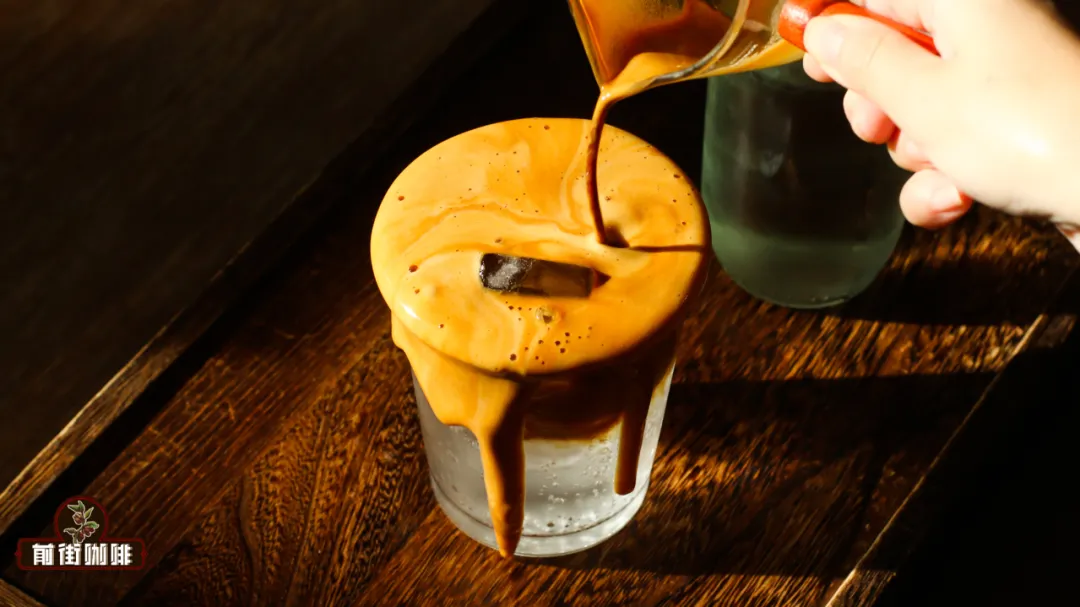 >
3. Control the Temperature Difference Between Coffee and Sparkling Water
Temperature difference is also a key factor affecting foam formation. When making a sparkling iced americano at home, the espresso used is usually freshly extracted and hot, with a relatively high temperature, while the sparkling water is ice cold. The large temperature difference further stimulates the release of carbon dioxide.
To reduce this stimulation, it is recommended that when extracting the espresso,you can brew it with ice cubes or chill the coffee liquid in advanceto bring its temperature closer to that of the sparkling water. This narrows the temperature gap and stabilizes the foam performance. This is also one of the reasons why many coffee shops can maintain stability when making sparkling coffee — they often use cold brew as the base, which is naturally low in temperature and contains less oil, thus less likely to create excessive foam.<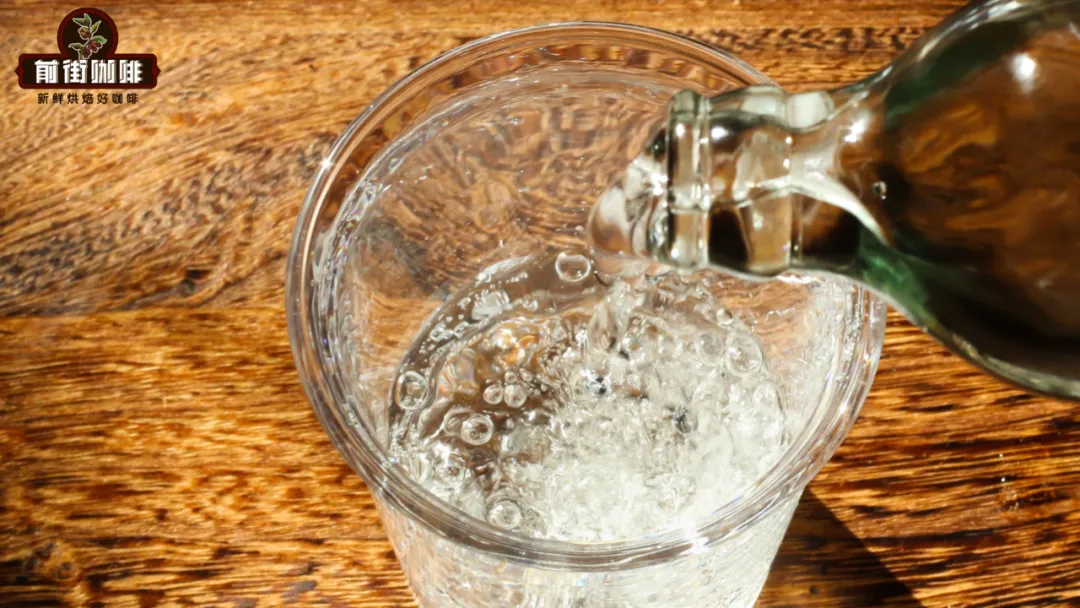 >
4. Adjust the Ratio of Sparkling Water
Another small tip to reduce foam is to mix other liquids such as water, tea, or juice into the sparkling water to create a buffering layer. This way, when the espresso is poured in, it doesn’t directly contact highly carbonated water, reducing intense gas release.
For example, if you’re using 200ml of sparkling water, adding about 10ml of plain water or another beverage can significantly reduce the likelihood of foam. Even without additional additives, simply controlling the proportion of sparkling water can effectively improve overflow issues.
5. Combine Multiple Methods
In practice, the above methods can often be used together for even better results. For instance, while chilling the espresso, use a filter to remove oils and fines, then pour it slowly close to the liquid surface into the sparkling water, and add a small amount of water as a buffer. This approach can maximally suppress foam formation and ensure the drink is both attractive and enjoyable.
Take the commonly used 'Italian Blend · Strawberry Sugar Espresso' for sparkling iced americano as an example — its flavor has a fresh floral and fruity profile, making it suitable as a base. Using 20g of coffee grounds with a 30-second extraction yields about 40ml of espresso. Combined with 80g of ice and 200ml of sparkling water, this is the most common golden ratio. To further reduce foam, just add an extra 10ml of water to noticeably improve the overall outcome.<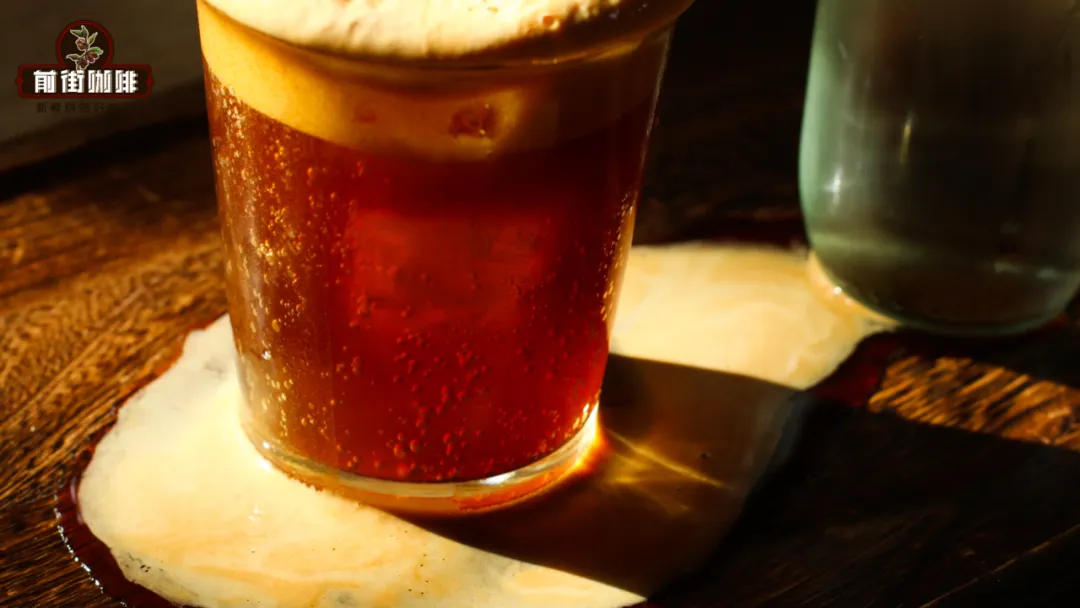 >
In summary, to successfully make a non-spilling, low-foam sparkling iced americano at home, the key is to control the details of each step — from the pouring method, temperature management, coffee purity, to the ratio of sparkling water. Every step affects the final result. With these tips, you too can easily recreate the refreshing iced americano from your favorite café and enjoy the fun of making it at home.
The above content is compiled by CoffeeHunters, a coffee news website.


