








Introduction:The preparation of a latte is not only a classic beverage frequently ordered by customers but also an important metric for evaluating a barista’s technical skill. From espresso extraction, milk frothing to latte art completion, each step tests the barista’s foundational abilities and experience. This article delves into the key processes of making a hot latte, including the fineness and ideal temperature of the milk foam, the formation principles of latte art patterns, and how the blending technique affects overall flavor — helping readers understand the professional expertise behind a high-quality latte.
In the professional evaluation of baristas, making a hot latte is often a core assessment item. This is not only because it is one of the most popular coffee drinks, but also because its preparation process can comprehensively demonstrate a barista’s basic skills. From precise grinding and extraction, to milk frothing and blending, to the presentation of latte art, each step directly reflects the barista’s capabilities and experience.
An outstanding hot latte not only requires smooth and standardized operation procedures, but the quality of the milk foam is also key. Ideal milk foam should be fine, dense, of moderate thickness, and possess good fluidity, in order to support exquisite and clear latte art patterns. At the same time, heating the milk to60°C to 65°Chelps to release the natural sweetness of lactose, resulting in a smoother and more rounded overall flavor.

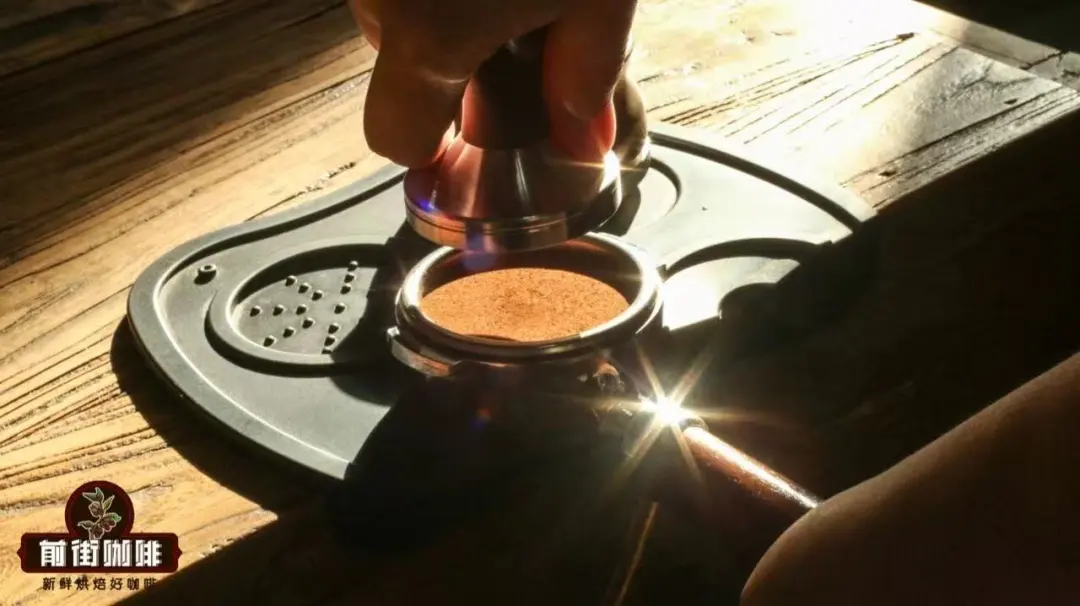
From a technical standpoint, the process of making a hot latte can be subdivided into multiple stages: grinding, dosing, distributing, tamping, extracting the espresso, frothing the milk, blending the coffee and milk foam, and finally pouring the latte art. Each step involves professional techniques, and observing a barista’s performance in these stages allows for a quick assessment of whether their fundamentals are solid. Experienced baristas not only follow standardized movements, but also maintain efficient serving speeds while ensuring quality.
During evaluations, judges not only observe the standardization of operational movements, but also comprehensively assess the overall flavor profile of the latte, the consistency of texture, as well as the details and complexity of the latte art patterns. These are all key indicators of whether a barista has reached a professional level.
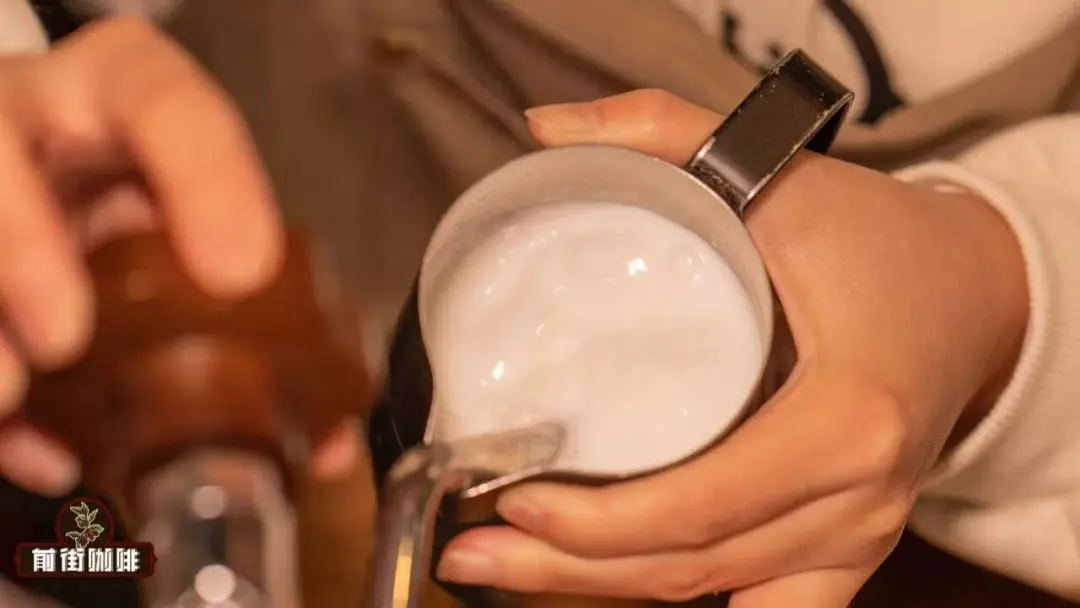
First, the quality of the milk foam is the foundation of latte art. As the industry often emphasizes, to create clear and beautiful latte art patterns, one must first have high-quality milk foam. Milk foam suitable for latte art must meet at least three criteria:Fine and dense, of moderate thickness, with good fluidity. Only such milk foam can form delicate and symmetrical patterns on the surface of the coffee — this is also one of the fundamental skills that baristas need to refine before learning latte art.
The thickness and texture of the milk foam are also often important references for assessing whether a barista meets professional standards. If the foam is too coarse or too thick, not only can it fail to form intricate patterns, but it may also affect the taste balance of the entire drink. Therefore, mastering the technique of frothing milk is an essential skill for every professional barista.
As for the latte art itself, although the aesthetic appeal of the pattern does not alter the basic flavor of the coffee, the completeness of the design, the smoothness of the lines, and the complexity of the overall composition allow observers to clearly judge the barista’s proficiency and technical level. To complete high-difficulty latte art pieces, baristas often need long periods of repeated practice until the movements become muscle memory, and they can precisely control the flow rate and angle of the milk foam — only then can they draw detailed and multi-layered patterns on the coffee surface.
Finally, the overall taste of the latte is also a crucial part of the evaluation. A good latte derives its flavor not only from the extraction of the espresso itself, but is also significantly influenced by the temperature of the milk and the effectiveness of the milk foam blending. When frothing the milk,heating is typically stopped when the temperature reaches 60°C to 65°C. This temperature range not only enhances the natural sweetness of lactose in the milk, but also ensures the drink is not too hot, further improving overall mouthfeel.
The blending technique is also an aspect that cannot be overlooked. Blending refers to the process of evenly mixing the milk foam with the espresso, and this step directly impacts the cleanliness of the latte art background and the harmony of overall flavor. If blended properly, the surface color of the coffee is uniform, and the flavors of the milk foam and coffee liquid merge seamlessly, resulting in a clean and neat latte art base. Conversely, if blending is uneven, issues such as color layering and flavor disconnection may arise, affecting both visual and taste experiences.
Overall, the process of making a hot latte, from basic operations to fine details, fully showcases a barista’s technical skills and professional quality. This is why, among many coffee beverages, the latte is often listed as an essential item in barista evaluations — because it can effectively and comprehensively assess a barista’s overall ability.
The above content is compiled by CoffeeHunters, a coffee news website.


