








Introduction:Freshly roasted coffee beans have not yet stabilized in flavor. Brewing them directly can lead to extraction issues due to excessive carbon dioxide interference. What exactly is "resting beans"? What about "degassing" or "blooming the grounds"? This article delves into the differences between the two, their practical applications, and the correct procedures to help you grasp the optimal flavor window of your beans, avoid common pitfalls, and ensure every pour over cup performs at its best.
For coffee enthusiasts, choosing freshly roasted beans is almost key to enhancing flavor. However, beans that are "too fresh" can also have negative effects. Roasted beans contain a large amount of carbon dioxide internally, and brewing them without proper degassing can not only disrupt the evenness of coffee extraction but may also make the flavors seem dull or overly harsh. Therefore, many coffee lovers opt for what is called "bean resting," allowing the beans to sit for a period to naturally release internal gases. Additionally, some use methods like "degassing" or "blooming the grounds" to actively accelerate the outgassing process, aiming to enjoy delicious coffee sooner. This article will thoroughly analyze the practical significance, appropriate timing, and specific operational suggestions of these methods to help you approach freshly roasted coffee more scientifically.

The term "bean resting" refers to placing freshly roasted coffee beans in their original packaging, keeping it sealed, and letting them sit for several days to about a week. This allows the carbon dioxide inside the beans to be released naturally while the flavors gradually stabilize and balance. Generally, the first two days after roasting are when carbon dioxide is released most intensely. Brewing by grinding and extracting during this time can cause channeling due to gas interference—where water passes too quickly through the coffee bed—resulting in under-extraction or incomplete flavor. Therefore, if you’ve just received beans roasted within zero to three days, it’s recommended to let them sit and “rest” first, allowing gases to dissipate adequately before extraction. This usually yields a rounder, clearer taste profile.
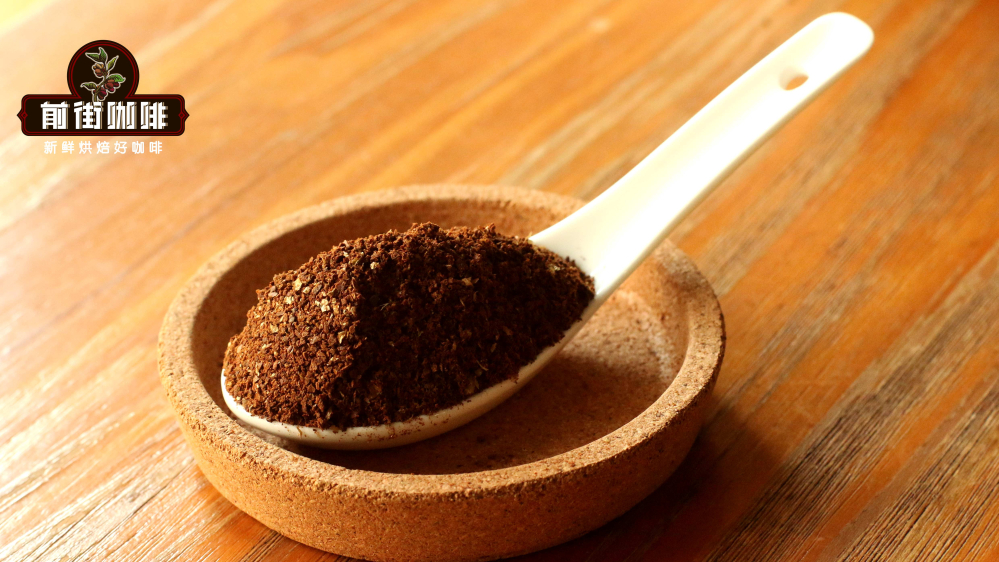
However, another method has emerged in recent years: "blooming the grounds." This involves grinding the coffee beans just before brewing and letting the grounds sit at room temperature for a period—sometimes even several hours or a full day—with the same goal of accelerating gas release and reducing extraction interference. It’s said that this treatment allows the coffee grounds to release flavor compounds more evenly upon contact with water, improving overall extraction efficiency and flavor balance. Especially when you’re eager to taste freshly roasted beans but are concerned about excessive gas affecting extraction, "blooming the grounds" is often seen as a quick solution.
Why "bloom the grounds"? The key lies in the roasting process, during which coffee beans are subjected to high heat and accumulate a large amount of carbon dioxide, along with various volatile and non-volatile compounds—key elements that contribute to coffee flavor. However, in the early stages after roasting, these gases are highly active, especially when exposed to hot water during brewing, rapidly releasing and forming bubbles that hinder sufficient contact between water and coffee grounds, thereby affecting extraction uniformity. Thus, giving the coffee beans or grounds enough time to release these gases has a direct impact on flavor performance.
Nevertheless, while "blooming the grounds" can effectively speed up gas release, it also comes with certain risks. Once coffee beans are ground, their total surface area increases dramatically—sometimes by more than a thousandfold—which makes aromatic compounds more prone to volatilization and loss. Research shows that within one and a half minutes after grinding, up to 70% of the carbon dioxide may have already been released, accompanied by a rapid loss of aromatic components. Therefore, if the "blooming the grounds" process takes too long, or environmental conditions aren’t well controlled, it could lead to subpar flavor or even make the coffee taste bland. Proper "blooming the grounds" practice should focus on timing and observing aroma changes, rather than simply extending the resting duration.
So, do well-rested coffee beans need further "waking up"? The answer is usually: it depends. If your coffee beans have been roasted for more than five days and have had sufficient resting time during transit, they typically enter a flavor stabilization period by the time you receive them. In such cases, you can go ahead and grind and brew them directly without additional "bean resting" or "blooming the grounds." However, if you receive beans roasted within three days and notice a strong smoky or irritating smell upon opening the package, or experience excessive dryness or harshness after brewing, you might consider using moderate "blooming the grounds" to optimize the flavor.
It’s recommended that when "blooming the grounds," you pour the ground coffee into a clean, dry, and odor-free container and lightly cover it to prevent dust or other foreign particles from falling in. Then, let it sit at room temperature for about five to twenty minutes, checking the aroma of the grounds every four to five minutes. When you notice the initially sharp or intense roasty scent gradually softening into a mellow, clear aroma, accompanied by more sweet or fruity notes, it’s a sign that the coffee grounds are ready for brewing. At this point, you can confidently proceed to the next step of extraction.
The above content is compiled by CoffeeHunters, a coffee news website.


