







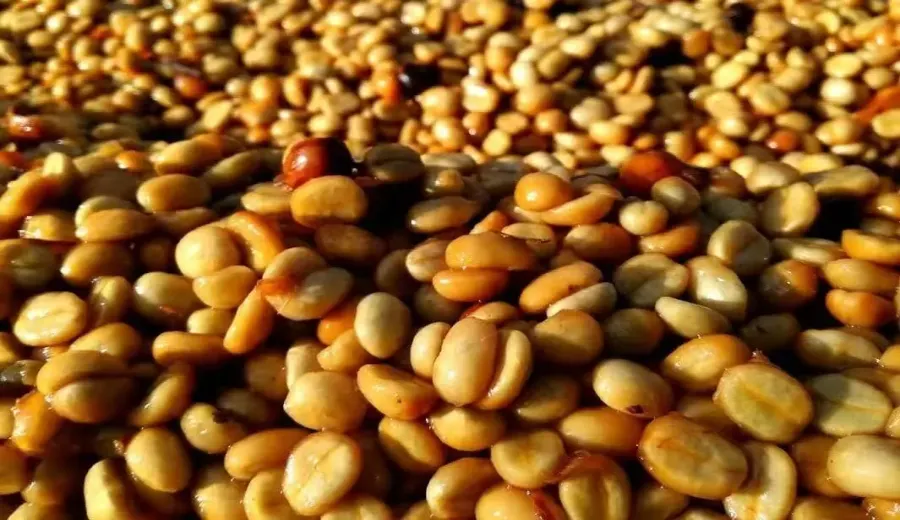
Introduction:The honey processing method in Costa Rica, especially black honey, brings unique sweetness and complexity to specialty coffee. This article delves into the Black Honey Caturra from Pilon Micromill in the Tarrazú region, analyzing its regional advantages, varietal characteristics, and processing details. It also provides practical flavor profiles and pour over parameters, offering a comprehensive understanding of this captivating coffee from cultivation to cup.
As the birthplace of honey processing, Costa Rica is globally renowned for its honey-processed coffees with pronounced sweetness, making them a classic flavor favorite among many coffee enthusiasts. This time, we focus on Pilon Micromill from the Tarrazú region. Their Black Honey Caturra is an excellent representation of the charm of this processing technique. Next, we will explore this highly anticipated coffee step by step—from regional environment, varietal background, processing methods, to flavor expression and brewing recommendations.
First, let’s get to knowPilon Micromill. Located in the renowned Tarrazú region of Costa Rica, it is jointly operated by Edgar Urena, Efrain Mendez, and their family. The Tarrazú area is known for its volcanic soil, humid climate rich in minerals, along with high altitude and the surrounding dense forest environment, creating highly favorable conditions for coffee cultivation.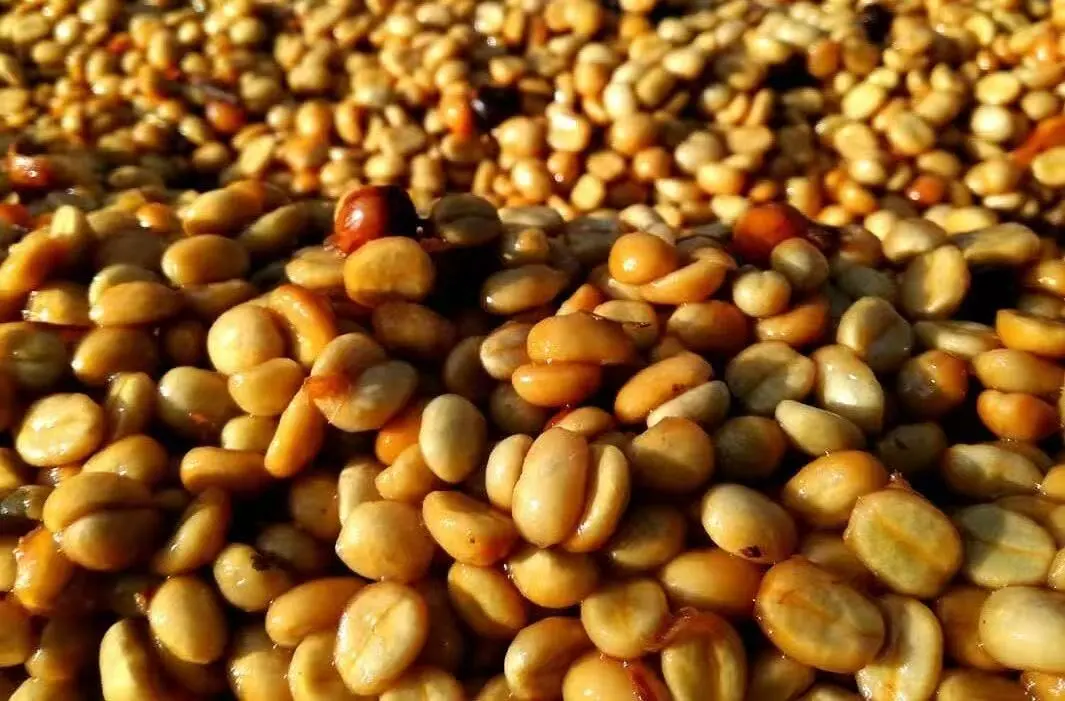
Pilon Micromill is situated on the edge of Leon Cortez town in Tarrazú, at an altitude of approximately1700 to 1800 meters. According to Costa Rica’s grading system, this elevation falls under the highest category of SHB (Strictly Hard Bean), which means the coffee beans experience greater diurnal temperature variations during growth, allowing them to accumulate richer flavor compounds and sugars.
Notably, in the 2018 World Brewers Cup, a Japanese competitor used coffee from Pilon Micromill to compete and won the championship, showcasing the exceptional quality of their beans.
The star of this feature isCaturra, a variety originating in Brazil in the early 20th century as a mutation of the ancient Bourbon variety. Its most notable characteristic is its compact tree size, denser than traditional varieties, allowing for high-density planting and easier harvesting and management.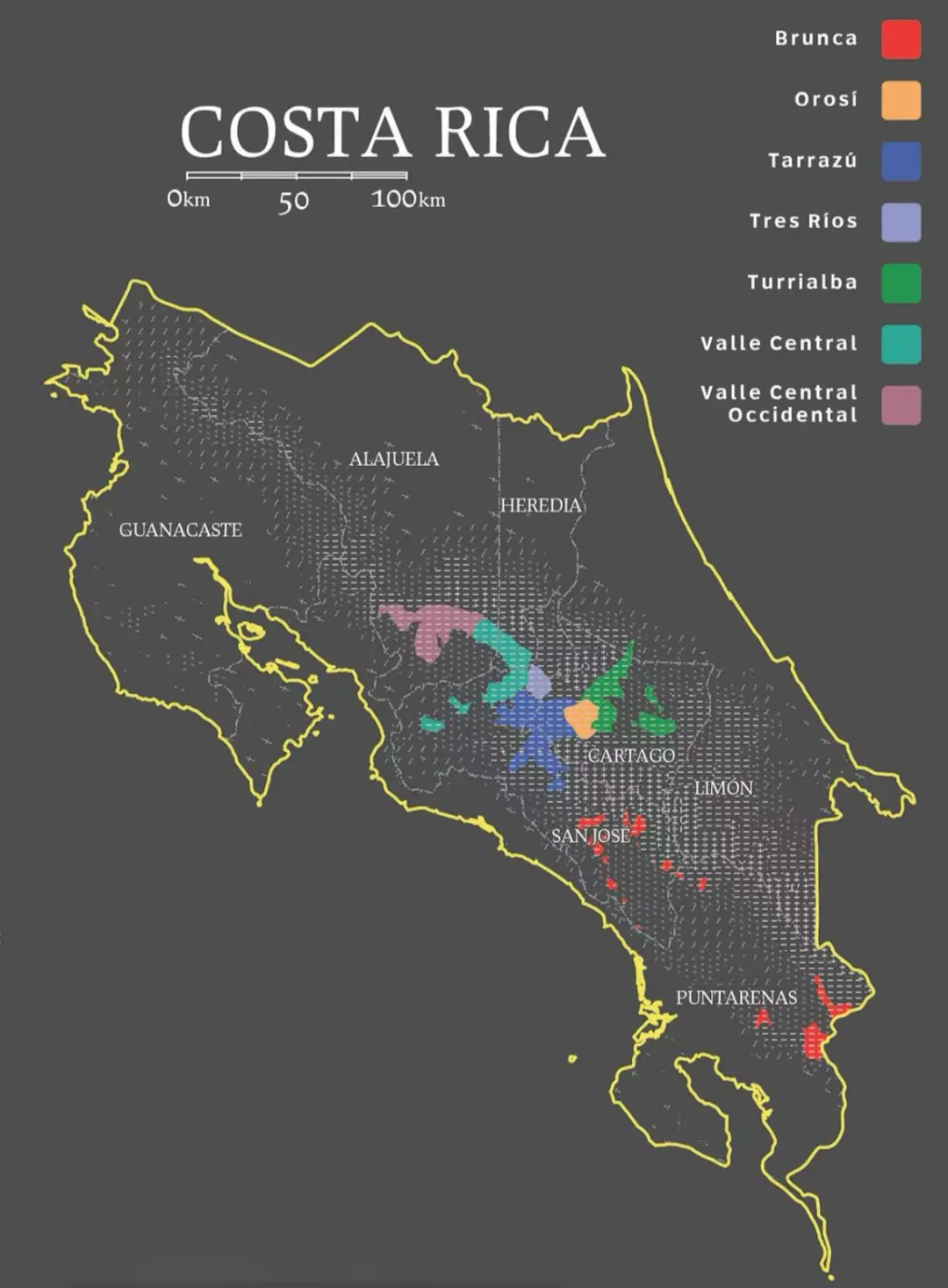
The name Caturra comes from the Guarani word for “small.” This variety is not only easy to care for but also offers outstanding flavor potential, with bright acidity, clear aromas, and often layers of citrus, nuts, and caramel. As a result, it is widely planted not only in Brazil but also across Central America, beloved by coffee farmers and roasters alike. The Black Honey Caturra from Pilon Micromill introduced here is also one of the standout examples among Caturra-type coffees.
When it comes to processing methods,honey processis a technique that combines elements of both natural and washed processes. It originated from Brazil’s pulped natural method but was improved to reduce water usage and enhance flavor intensity. In this method, coffee cherries are first floated to remove unripe or defective beans, then the outer skin and some pulp are removed using equipment, leaving the sticky mucilage layer for “dry fermentation.” Finally, the mucilage-covered beans are placed on drying beds to slowly dry.
The term “honey” refers to the high concentration of sugars in the mucilage, which becomes thick and viscous like honey after fermentation—this is the origin of the process’s name.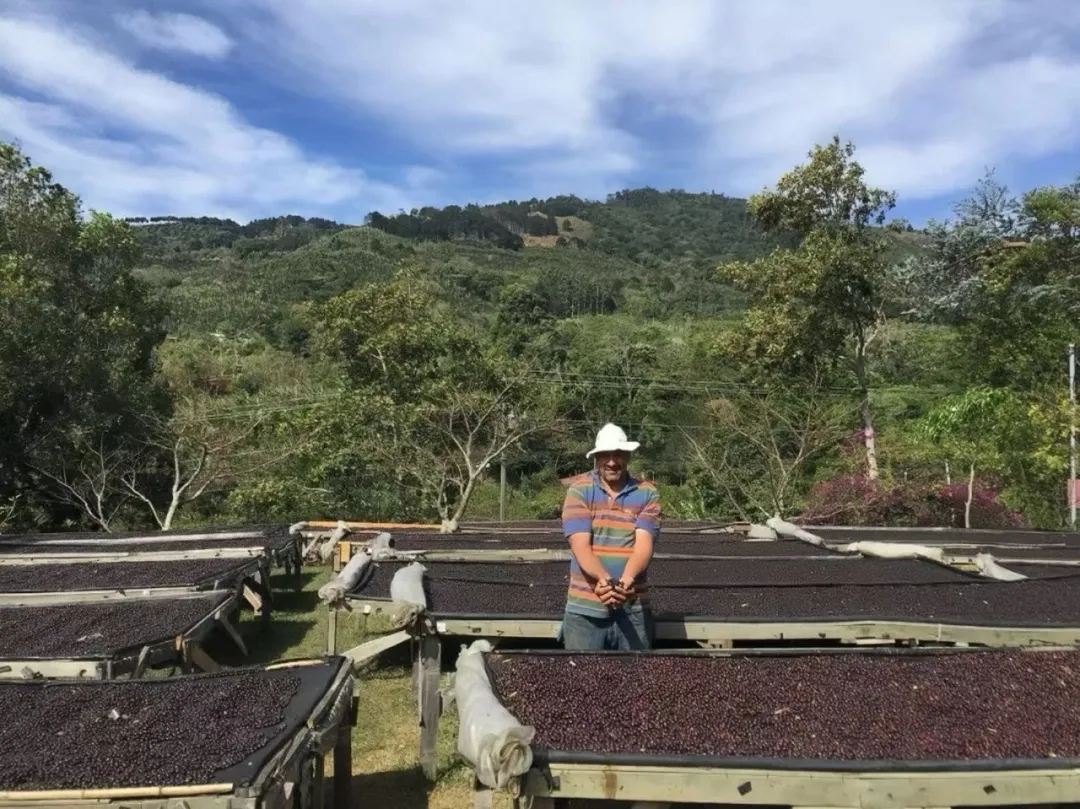
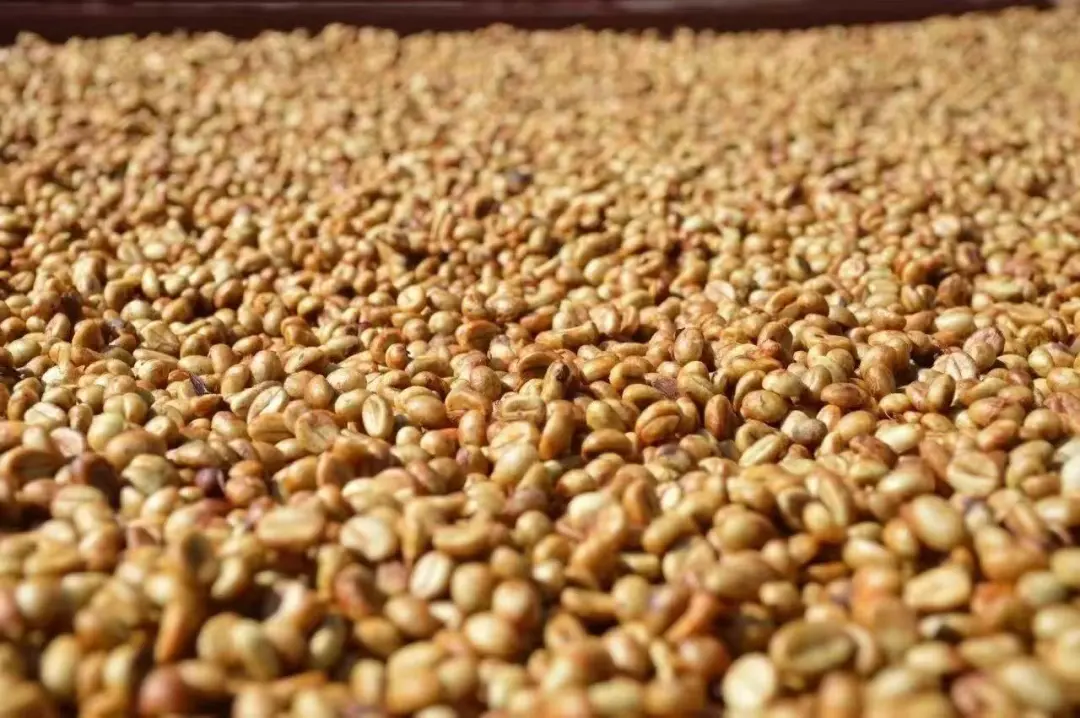
Honey processing can be further divided based on the amount of mucilage retained:white honey, yellow honey, red honey, and black honey. Among these,black honeyretains the most mucilage, with almost no removal, resulting in the longest drying time—usually over 14 days—and requiring moderate shading to prevent overly fast drying. This also helps sugars convert more fully, giving the coffee a richer sweetness and complex flavors.
This Black Honey Caturra from Pilon Micromill features highly retained mucilage, and one of its distinctive traits is the uneven color of the green beans along with a strong fermented aroma.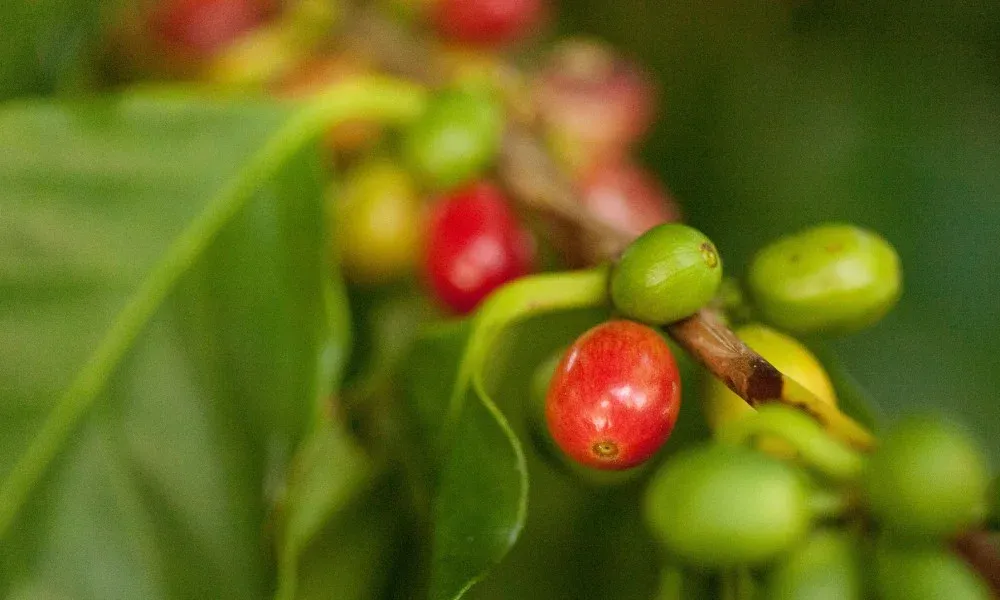
To fully showcase its flavor potential, it is recommended to usemedium-light roasting, which preserves more of the inherent fruitiness and acidity while balancing sugar conversion. For brewing, a V60 or similar pour over dripper is suggested, with a brew ratio of 1:15 to 1:16, water temperature around 90–92°C, and medium-fine grind. This setup effectively highlights layers of berries, grapes, and floral notes.
When actually tasting this Black Honey Caturra from Pilon Micromill in Costa Rica,the dry fragrance after grinding is already filled with the sweet scents of berries and grapes, accompanied by soft floral notes and subtle fermented undertones. Upon tasting, the high-temperature stage reveals bright acidity with notes of grape, green grape, and berries, alongside delicate floral and mildly fermented sensations. As the temperature drops, the acidity softens into an apricot-like tone, while the sweetness gradually transitions into a creamy, smooth texture. The aftertaste lingers like fruit wine, with an overall clean and well-layered presentation.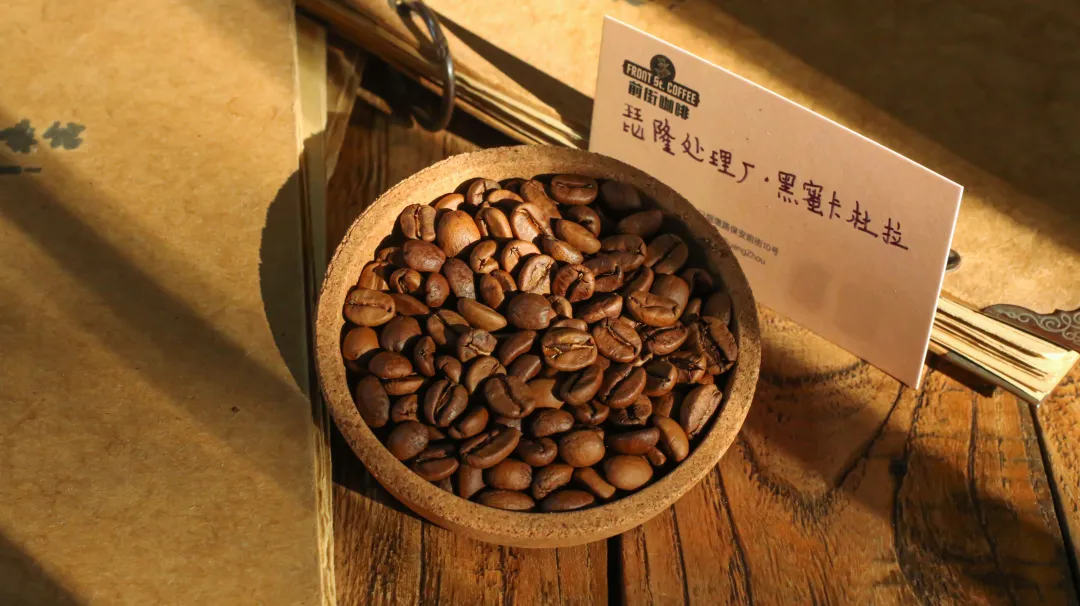
In summary, this Black Honey Caturra from Pilon Micromill in Costa Rica’s Tarrazú region not only showcases the high level of honey processing techniques in the country but also fully interprets the rich flavors brought by high altitude and meticulous processing. If you enjoy coffee with intense flavors, prominent sweetness, and natural fruity aromas, this is a premium coffee worth savoring in detail.
The above content is compiled by CoffeeHunters, a coffee news website.


