







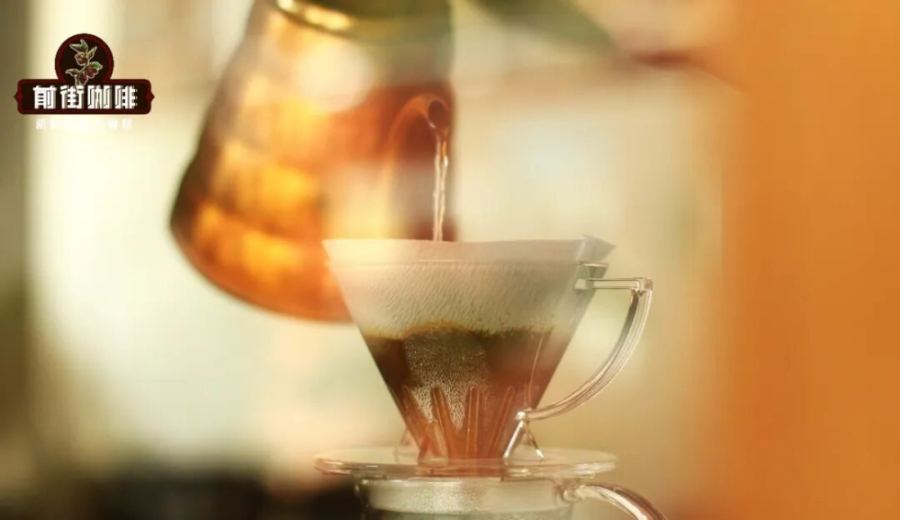
Introduction:When beginners first step into the world of pour over coffee, they often feel confused about the equipment needed. In fact, as long as you understand the key points in selecting basic tools such as a grinder, digital scale, pour over kettle, and filter cone, you can consistently brew delicious coffee. This article provides a detailed analysis of the budget options, functional differences, and practical advice for each piece of equipment, and also addresses common beginner mistakes in choosing beans—helping you build a functional pour over setup within a reasonable budget and gradually improve your extraction skills and flavor discernment.
Many who are new to pour over coffee often wonder what basic equipment is needed for self-study at home. In truth, while pour over coffee may seem professional, when broken down, it mainly revolves around a grinder, digital scale, pour over kettle, filter cone and paper, server, and most importantly, the coffee beans. This article will explain the selection direction for these tools based on different budgets and needs, and offer guidance on common beginner issues in bean selection, helping you gradually gain control over extraction parameters and flavor profiles.
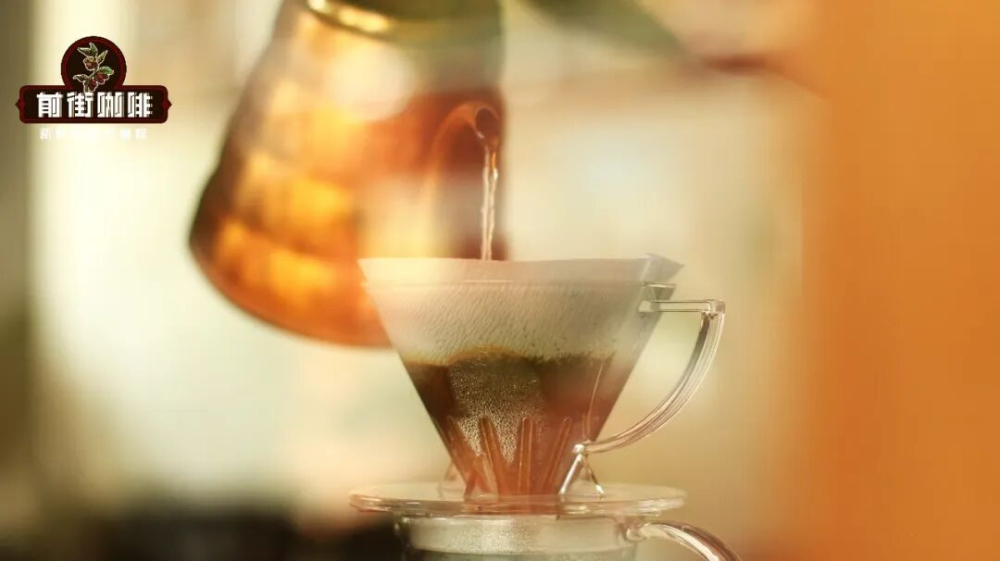
Many beginners often ask: what is the most basic equipment to choose if you want to practice pour over at home? In fact, although the professional equipment found in coffee shops is abundant, the prices can often be discouraging. However, the basic setup for pour over coffee, if chosen according to your own budget and actual needs with suitable affordable alternatives, can also be easily mastered at home. A complete pour over setup typically includes a pour over kettle with thermometer, filter cone and paper, digital scale, and grinder—the server is not absolutely necessary, while coffee beans are the core element that influences flavor.
1. Grinder: The Key to Flavor Expression
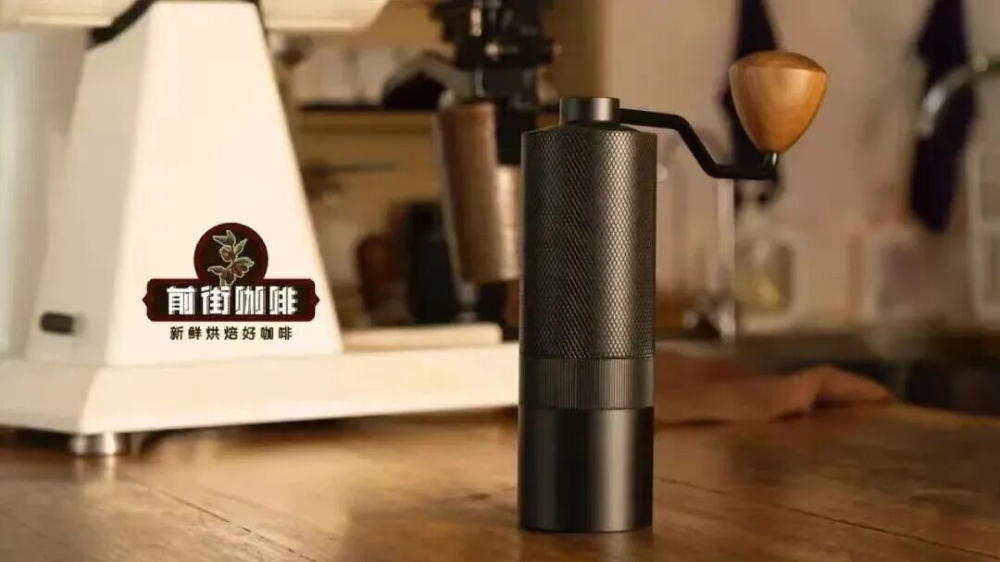
To fully showcase the aroma and layers of coffee, an easy-to-use grinder is indispensable. Although price and quality often correlate positively, more expensive does not always mean better—the key is whether it meets your personal needs. For students or beginners on a limited budget, it is recommended to choose a hand grinder priced between200 and 500 yuanwith adjustable grind size settings; you can upgrade later as needed. If you are an office worker with a slightly larger budget and higher brewing frequency, consider anadvanced hand grinder between 500 and 800 yuanfor more effortless and worry-free operation.
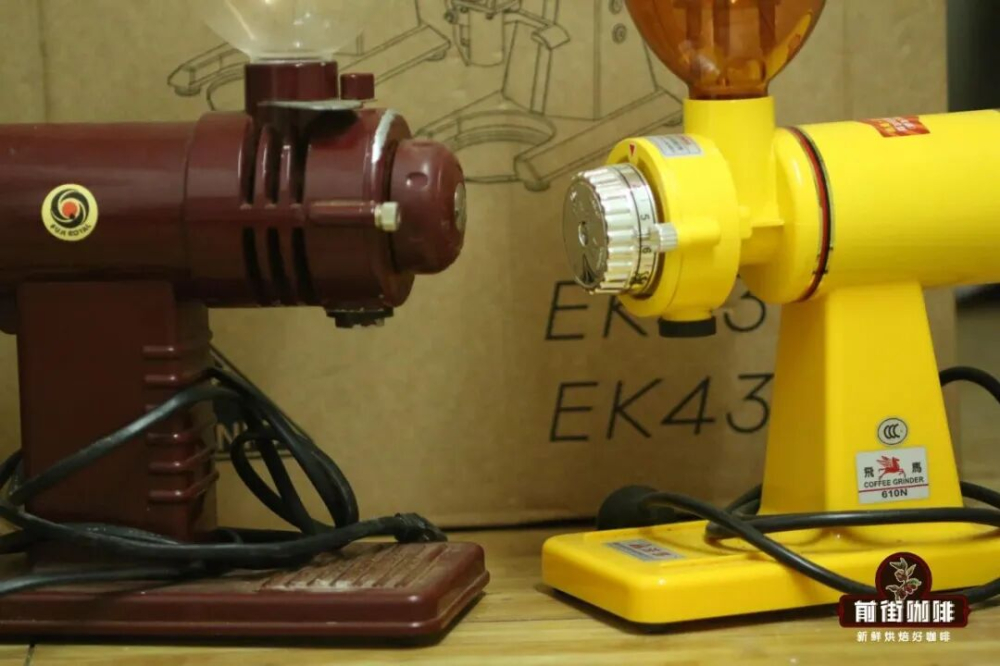
When your budget is more generous, the options become even more diverse.Manual grinders in the thousand-yuan rangeoften offer superior grinding quality compared to electric grinders at the same price point; if your budget reachesseveral thousand yuan, you can directly invest in an electric grinder that offers both precision and stability, making long-term use more convenient.
2. Digital Scale: The Foundation for Precise Extraction Control
Many beginners overlook the importance of a digital scale, relying only on intuition to adjust the coffee-to-water ratio, leading to significant flavor variations in each pour over session. In reality, a digital scale not only ensures accuracy in coffee dosage and ratios but also helps monitor the brewing progress through its timing function, allowing timely adjustments. Most digital scales on the market today come with a timer function, and if you’re not particularly concerned with aesthetics, they are not expensive. For example, the commonly used 'black scale' is not only durable and drop-resistant, but also priced atunder 30 yuan, making it very suitable for budget-conscious beginners.
3. Pour Over Kettle: The Soul Tool for Water Flow Control
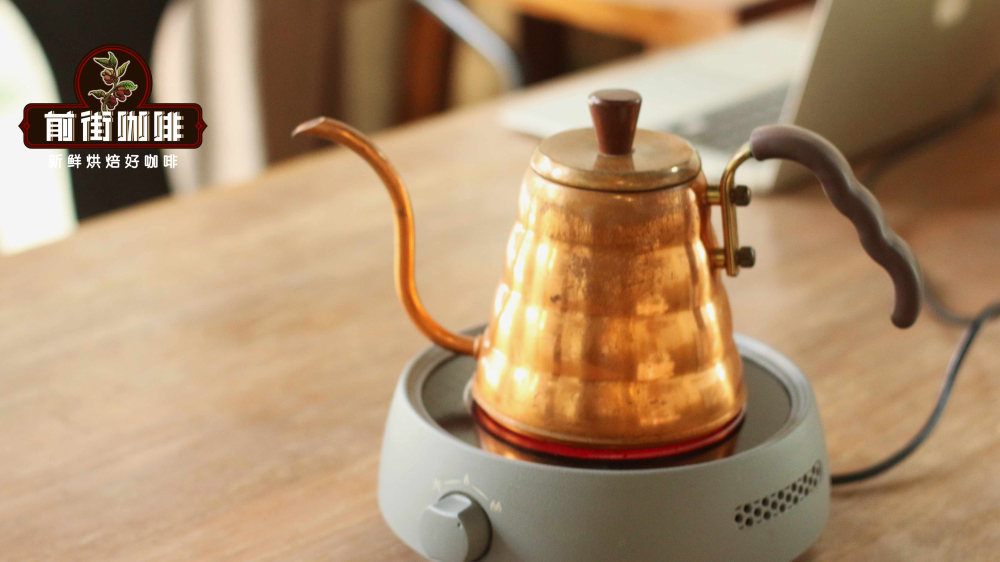
While a regular kettle can be used for pour over, the stability of the water flow, speed of pouring, and accuracy of the pour’s landing point all directly affect the extraction result. To achieve more consistent brewing quality, it is recommended to use a dedicated pour over kettle. For beginners, the design of the spout is especially important—a gooseneck spout kettlecan provide a more stable water flow, helping you control the pouring speed and angle. Additionally, the size and weight of the kettle also affect handling stability; it is generally recommended to choose a pour over kettle with a capacity between500 and 600 milliliters, which balances flexibility and control.
Pour over kettles come in two types: temperature-controlled and non-temperature-controlled. If you already have a stable supply of hot water at home, choosing a non-temperature-controlled version can save on budget, supplemented with a quick-read thermometer. For example, the common b-kettle, its non-temperature-controlled version is usually priced atunder 300 yuan, while the quick-read thermometer can be purchased for around100 yuan or less.
4. Filter Cone and Filter Paper: Details That Affect Extraction Efficiency
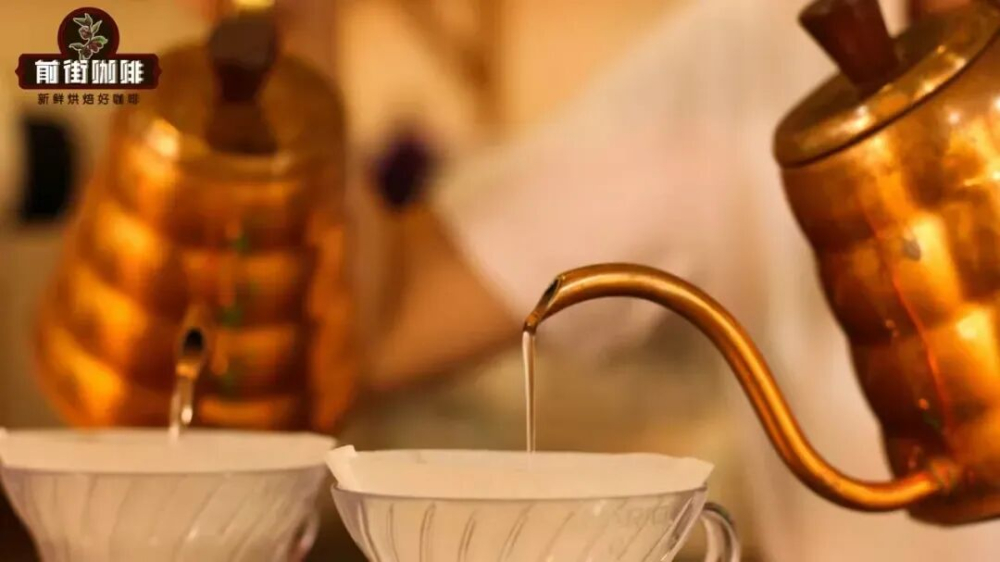
The design and material of the filter cone significantly influence the expression of coffee flavor. Among common types, the cone-shaped V60 filter cone can extract more layered flavors; the flat-bottomed (cake) filter cone usually results in a more balanced profile; while the Kono filter cone excels at highlighting a rich and full-bodied taste. If you value practicality and cost-effectiveness,a resin V60 filter coneis the top choice for many coffee enthusiasts.
The choice of filter paper is equally important—its structure affects the water flow rate, thereby altering extraction efficiency. Some users have experienced slow coffee flow and uneven extraction due to using overly thick complimentary filter paper; switching to a well-known brand solved the issue. It is recommended to prioritize reputable filter paper brands, such as Kono filter paper, to effectively avoid flavor interference caused by the filter paper.
5. Server and Coffee Cup: Flexible Selection Based on Needs
If you hope to present your brewed coffee beautifully or occasionally share with friends, choosing an elegantly designed server and coffee cup, priced between100 and 500 yuan, can add a lot of ritualistic appeal. But if it’s just for personal daily drinking, using a regular large-capacity cup is completely fine—you don’t need to overly focus on appearance.
6. Coffee Beans: Exploring Flavors Starting with Everyday Beans
For those just starting out, apart from possibly investing a bit more in a grinder, other equipment can initially be chosen with practicality in mind. By trying different flavored coffee beans, you can gradually develop sensitivity to extraction parameters and flavor profiles. Pour over coffee mostly uses single-origin beans, usually from a single growing region, with each pack typically under half a pound. Different regions, varieties, processing methods, and roast levels all significantly affect the final flavor.
A common mistake for beginners is being easily drawn in by labels like 'competition grade,' 'auction lot,' or 'rare variety,' purchasing high-priced beans but failing to fully appreciate their flavors due to lack of experience. It is recommended to start by selecting everyday beans that suit your taste preferences. For example, if you enjoy pronounced acidity, tryYirgacheffe from Ethiopia; if you prefer softer, sweet-and-sour flavors,Costa Rica TarrazúorRwanda Red Bourbonare both great choices; if you prefer low-acid profiles,Yunnan small-seed varietycoffee beans are worth trying; for a balanced nutty and chocolatey profile, considerBrazil CerradoorColombia Huila; if you prefer a full-bodied texture without strong acidity,Indonesia Mandhelingis a solid option. Through these everyday beans, you can gradually identify your preferred regions and flavor directions, and later explore more nuanced differences in farms and processing methods.
The above content is compiled by CoffeeHunters, a coffee news website.


