







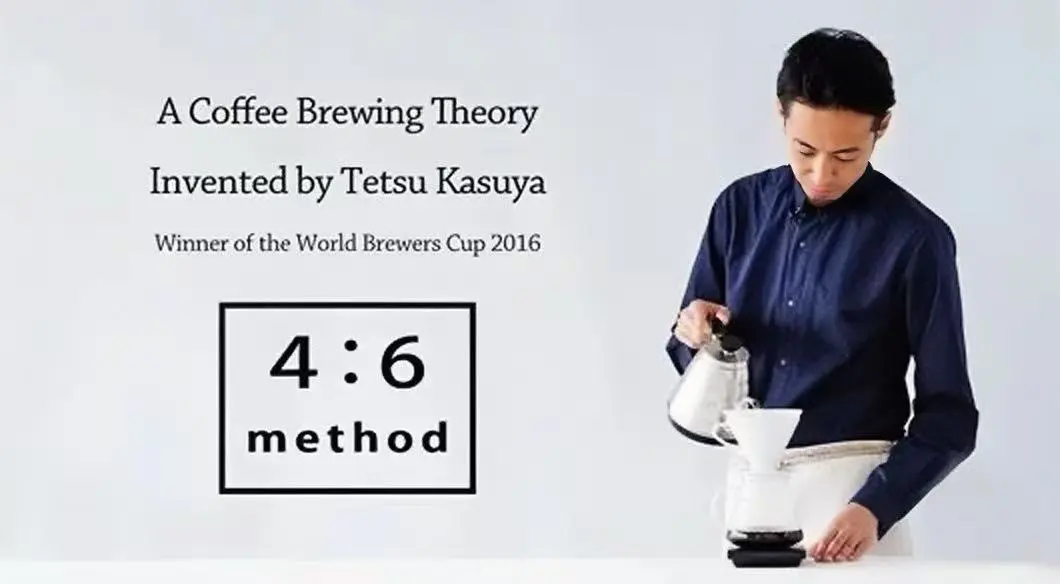
Introduction:The 4-6 brewing method was developed by Tetsu Kasuya, the 2016 World Brewers Cup Champion, using a five-pour logic to precisely control coffee flavor and mouthfeel. This article delves into the core principle where the first 40% determines the balance of acidity and sweetness, while the latter 60% shapes the body and richness. It provides complete parameter settings (including V60 filter, 1:15 coffee-to-water ratio, 92°C water temperature, and other key data), and demonstrates with Ethiopia’s Huila Huashan beans to help you master the segmented pouring technique and brew a layered, high-quality pour over coffee.
The 4-6 brewing method is a brewing system developed by Tetsu Kasuya, the 2016 World Brewers Cup Champion, with the core philosophy of "making it easy for anyone to brew great coffee." This method cleverly divides the total water volume into five pours, where the first 40% determines the foundational flavor direction of the coffee, and the remaining 60% shapes the overall concentration and body. By flexibly adjusting the water volume of each pour, brewers can precisely control the balance of acidity and sweetness as well as the body expression. This article not only breaks down the segmented logic and extraction rate changes of the 4-6 method in detail, but also provides complete brewing parameter settings, and demonstrates with the popular Ethiopia Huila Huashan beans to help coffee enthusiasts deeply understand the essence of extraction.
The brilliance of the 4-6 brewing method lies in its rigorous internal logic. For beginners new to pour over, understanding the scientific basis of this pouring structure can lead to a deeper comprehension of extraction concepts and an improvement in brewing skills. Designed by a champion, the method has a very low barrier to entry—even novices can quickly get the hang of it. In addition to the classic 4-6 method, Tetsu Kasuya has also developed one-pour and clever dripper-compatible hybrid methods (also known as the Devil’s Brew) based on the same concept, which also feature simple operation.
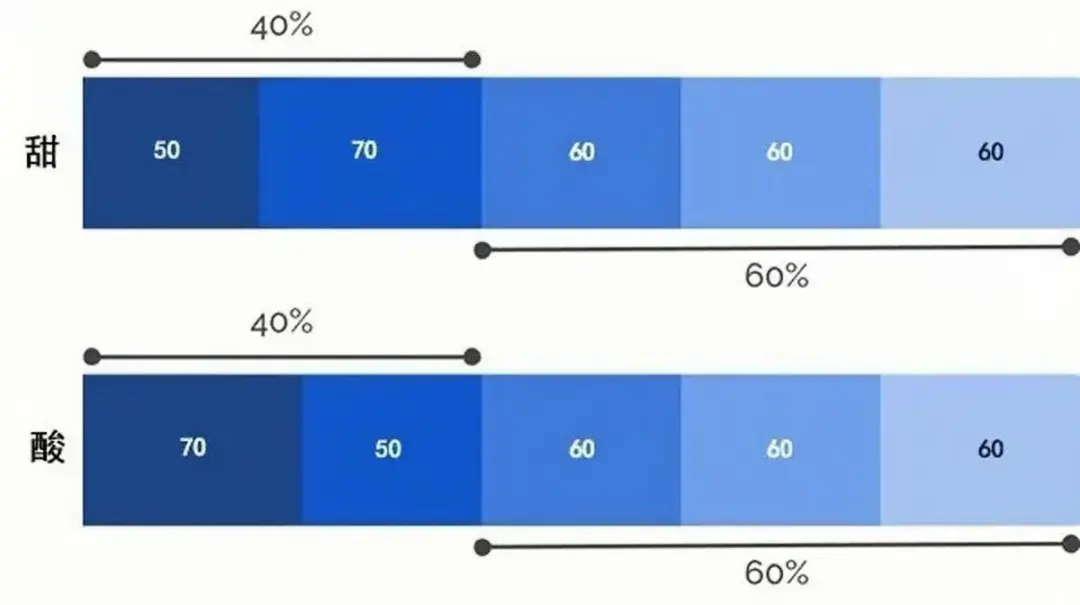
The classic 4-6 brewing method adopts a five-pour design, dividing the total water volume into five separate pours. This segmented pouring approach effectively reduces the demand for pouring control skills—each segment’s water volume is kept within a manageable range, allowing even beginners with less precise water flow control to complete the brew smoothly. Although the standard process is divided into five segments, brewers can fully adjust the segmentation according to personal preference, and the water volume for each segment can also be set freely. By changing the water volume of each segment, coffee flavors with vastly different characteristics can be created. The “4-6” in the method’s name originates from Tetsu Kasuya’s unique division of the hot water extraction stages: the first 40% of extraction differs significantly in composition from the latter 60%.
The first two pours account for 40% of the total water volume, and the distribution of these two pours has a decisive impact on the direction of the coffee’s flavor. If you prefer a sweeter profile, you can reduce the water volume of the first pour; if you favor a brighter acidity, you can increase the first pour and correspondingly reduce the second. The key to this effect lies in how the first pour’s water volume directly influences the final extraction yield—when more water is poured in the first stage, the carbon dioxide in the coffee grounds hasn’t been fully released yet, resulting in relatively lower extraction efficiency in subsequent pours, thus lowering the overall extraction yield. Since acidic compounds have smaller molecular weights and dissolve more quickly, under lower extraction yield conditions, acidity becomes more pronounced, while the relative lack of sweetness and bitterness makes the acidity stand out more. Conversely, reducing the first pour increases the overall extraction yield, allowing sweet and bitter compounds to be fully released, thus balancing the acidity and resulting in a sweeter cup.
The last three pours (third, fourth, and fifth) make up 60% of the total water volume, primarily influencing the coffee’s mouthfeel. If you’re aiming for a richer body, you can split these 60% into more segments (e.g., averaging four pours) for a slower extraction; if you prefer a lighter mouthfeel, you can simplify it to just two pours. Adjusting the number of segments essentially affects extraction rate and concentration by altering extraction time—more segments mean less water per pour, longer extraction time, more extracted substances, and thus higher extraction rate and concentration, yielding a richer, more intense cup; conversely, fewer segments mean larger water volumes per pour, shorter extraction time, and relatively fewer extracted substances, resulting in a cleaner, crisper taste. Related theories have been explained in detail in previous articles on segmented extraction, so they won’t be repeated here.
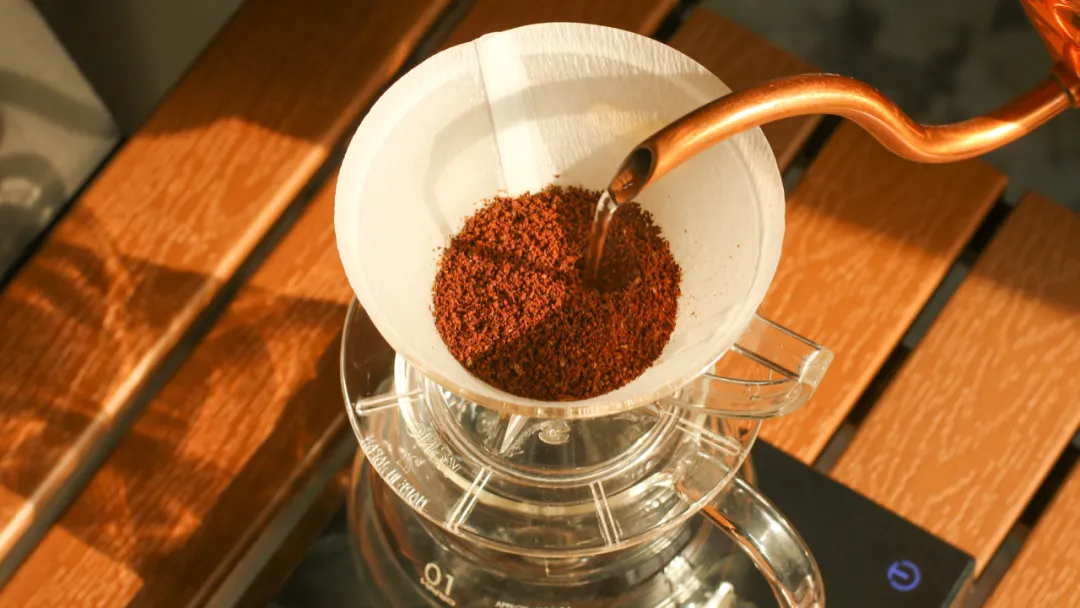
Overall, the 4-6 brewing method adjusts extraction rate by precisely controlling the water volume of each segment, thereby influencing the coffee’s flavor and mouthfeel layers. For brewers who don’t want to delve into complex theories, they can directly use the standard parameters provided by Tetsu Kasuya. Even without professional pouring control skills or theoretical knowledge, as long as these parameters are correctly applied, it’s still possible to easily brew delicious pour over coffee. Suggested parameters are as follows: use a Hario V60 filter, 20 grams of coffee, a 1:15 coffee-to-water ratio, a grind size with about 50% passing through a #20 sieve (similar to the coarseness of coarse sugar), a brewing water temperature of 92°C, a pour interval of 45 seconds (including actual pouring time), with each pour lasting 5–7 seconds.
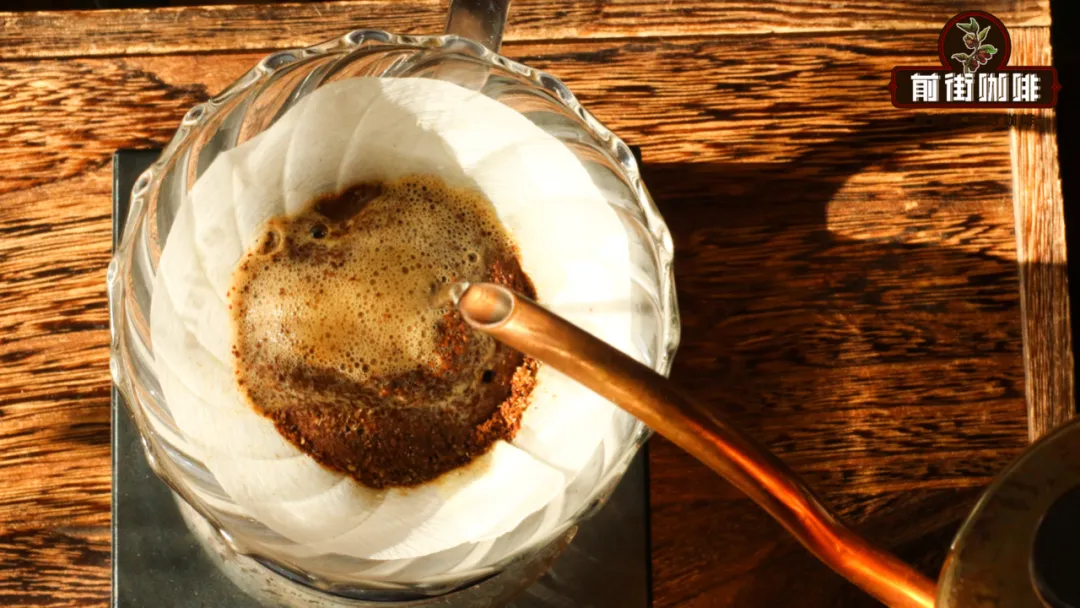
The coffee used in this demonstration is Ethiopia · Huila Huashan. During the actual brew, simply pour water once every 45 seconds (pour time is included in the interval). It is recommended to pour along a snail-shell-like circular path for even distribution—no special steps are required otherwise. Once the final pour is completed, remove the filter to finish extraction. Brewing Huila Huashan with this method, compared to the conventional three-pour method (usually completed within two minutes), showcases distinctly different flavor characteristics: due to the extended extraction time, the coffee has a more robust and full-bodied overall flavor, with a rich body, layered complexity, and excellent flavor balance. Classic flavor notes include bright berry tones, fresh citrus acidity, an elegant floral undertone, and a memorable oolong tea aftertaste—overall, an impressive performance.
For coffee enthusiasts, the 4-6 brewing method is not only an interesting brewing approach, but the science behind it can also help you deeply understand the key elements of the extraction process. By practicing this method firsthand, you can not only improve your brewing skills but also develop a sharper perception of coffee flavors—it’s well worth a try and exploration for every pour over lover.
The above content is compiled by CoffeeHunters, a coffee news website.


