







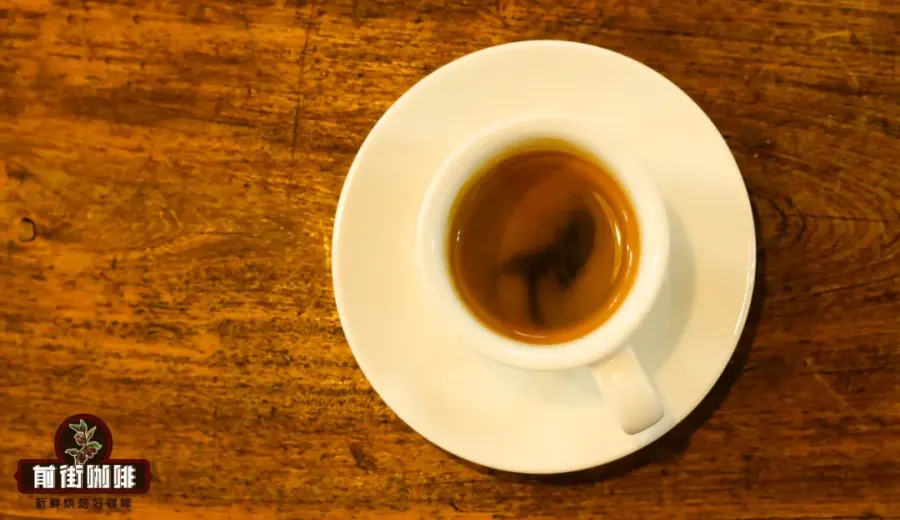
Introduction:Do you often find that the crema (the golden foam on top) of your espresso—whether brewed with a moka pot or a home espresso machine—is thin and lacks body? This is not just an aesthetic issue—it can also affect taste and flavor complexity. This article delves into the science behind crema formation, breaking down key factors such as pressure, carbon dioxide content, coffee bean freshness, and roast level. We also provide practical tips to help you brew richer, more textured crema and elevate your overall coffee experience.
Many coffee enthusiasts who use a moka pot or home espresso machine at home often face a common frustration: the crema (commonly referred to as “coffee oil”) on their espresso is too thin or almost nonexistent. In fact, this layer, often mistakenly called “oil,” is actually called crema—a foam structure made up of tiny carbon dioxide bubbles and emulsified coffee lipids, not actual plant-based oil.
The richness and stability of crema are primarily influenced by two core factors: the amount of carbon dioxide released by the coffee beans themselves, and the pressure applied during extraction. Carbon dioxide levels are closely related to roast degree and bean freshness, while pressure is affected by factors such as coffee dose, grind size, and puck resistance. Understanding these elements allows you to address the issues and improve your extraction results.

First, let’s clarify a common misconception: whether from a moka pot or a commercial espresso machine, crema is not derived from oils in the coffee beans. Instead, it is a foam formed when hot water under high pressure emulsifies the lipids in the coffee and traps the naturally produced carbon dioxide from the roasting process, creating a mass of tiny bubbles that we see as a “foam layer.” Though we commonly call this foam “oil,” it is actually a foam structure—scientifically known as crema.
Therefore, if you notice that the crema is as thin as water, pale in color, and lacks longevity, the issue usually isn’t a “lack of oil secretion,” but rather that one or more key variables affecting crema formation are off.
Let’s look at the first key factor: the carbon dioxide content in coffee beans. This is the primary material that forms crema bubbles—the more CO₂, the richer and more layered the resulting foam. The generation and retention of carbon dioxide are governed by two main conditions: roast level and bean freshness.
Generally speaking, the darker the roast, the more intense the thermal decomposition reactions, leading to greater carbon dioxide release and higher gas retention within the bean. In contrast, lighter roasts produce less carbon dioxide, limiting the potential thickness of the crema. Additionally, the fresher the beans, the less carbon dioxide they have lost, so more gas is available for release during extraction. If the beans are stored for too long or improperly (causing them to go flat), even with all other conditions met, it’s difficult to achieve a full-bodied crema.
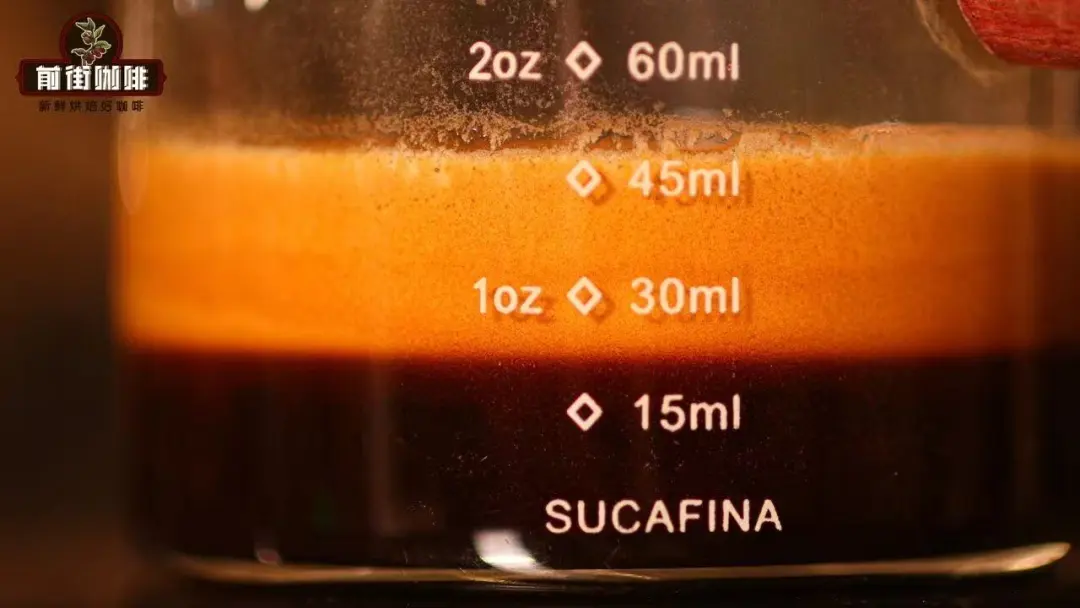
Therefore, if you’re aiming for a richer crema, prioritize using darker roasted and freshly roasted coffee beans. For example, dark roast blends are typically roasted longer with more thorough reactions, retaining more carbon dioxide internally. Under the right extraction pressure, they can produce a more pronounced foam layer. Such beans also blend well with milk in drinks like lattes and cappuccinos, avoiding any flavor clashes.
However, it’s important to clarify: the thickness of crema is not absolutely correlated with the overall flavor quality or excellence of the coffee. Some exceptional light roast beans may have thinner crema but still offer bright, balanced acidity and sweetness, providing an outstanding drinking experience. Therefore, don’t overly pursue visual crema richness at the expense of the coffee’s inherent flavor profile.
Next, let’s examine the second key factor influencing crema: extraction pressure. Only under sufficient pressure can water effectively penetrate a compact coffee puck, allowing carbon dioxide to be rapidly released and emulsify with lipids to form a fine, stable foam layer. If the pressure is insufficient, foam won’t form adequately, the flow rate will be too fast, and the resulting crema will be thin or even absent.
In home moka pots and espresso machines, pressure is mainly influenced by coffee dose, grind size, and puck resistance. Among these, grind size is the most critical variable. The finer the grind, the tighter the coffee particles are packed together, increasing puck resistance. This forces the water to push through with higher pressure, which helps enhance extraction pressure and promotes crema formation.
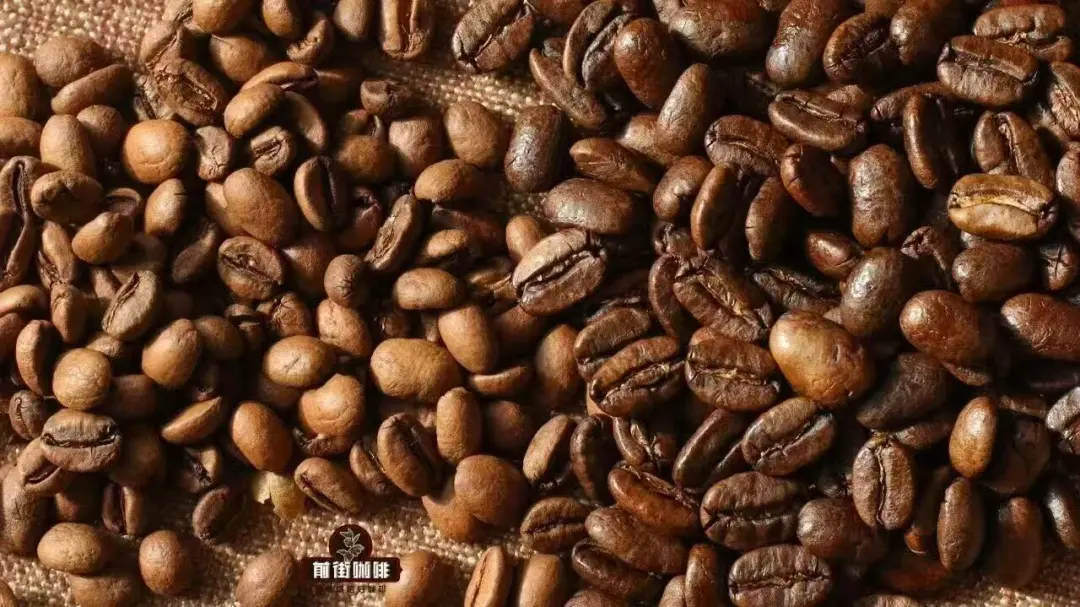
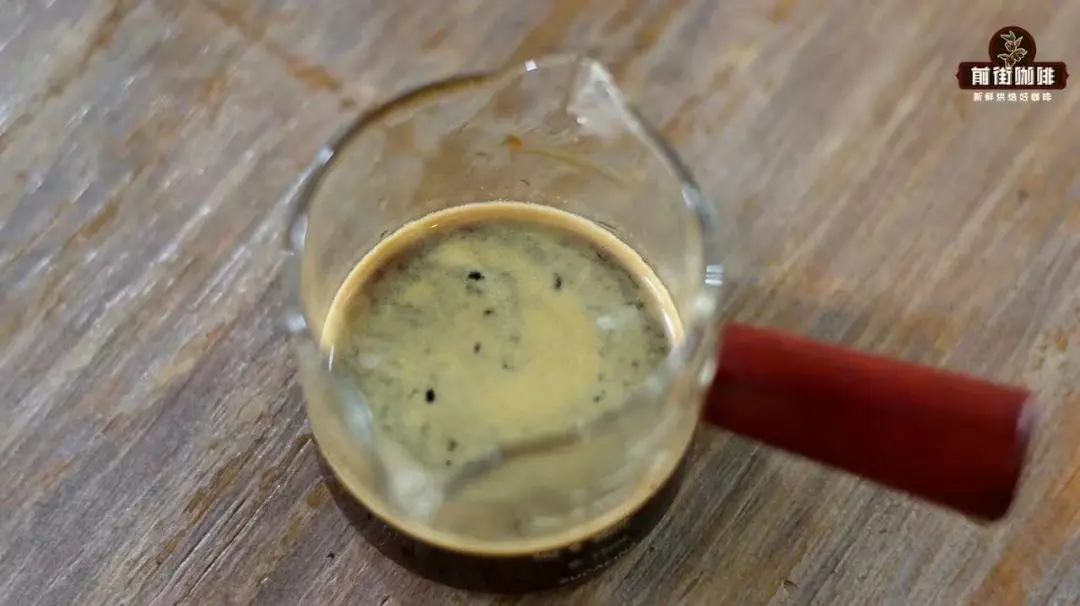
If you find the crema is too thin during extraction, first check the grind size and flow rate. If the coffee flows out too quickly, it indicates insufficient puck resistance, likely due to a grind that’s too coarse. In this case, try grinding finer to increase puck density, thereby boosting extraction pressure and helping to create a more stable and velvety crema layer.
But also be aware of two common misconceptions: first, although the appearance and thickness of crema are often mistakenly seen as indicators of good-tasting coffee, they are not absolutely linked to flavor. Over-pursuing thick crema might cause you to overlook the coffee’s inherent aroma and complexity. Second, when the grind is too fine, although puck resistance increases, going beyond a certain limit can slow water flow and prolong extraction time. This not only affects taste but may also cause the crema to become thin or unstable due to delayed release.
In summary, the most common reasons for thin crema when using a moka pot or espresso machine include insufficient carbon dioxide in the beans (e.g., beans not fresh enough or roasted too lightly) and inadequate extraction pressure (often caused by too coarse a grind or insufficient puck resistance). By mastering these key elements and fine-tuning grind size and dose based on actual flow conditions, you can gradually improve the texture and appearance of your crema, allowing you to enjoy café-quality extractions at home.
The above content is compiled by CoffeeHunters, a coffee news website.


