








Introduction:Have you ever ordered a takeaway latte only to find, upon opening it, that the foam you expected is nowhere to be seen? A customer complaint about a takeaway latte from Manner sparked widespread discussion, with staff reportedly stating, “Takeaway lattes don’t come with foam,” which led to skepticism among consumers. This incident actually touches on the physical properties of foam, the impact of delivery on beverages, and the trade-offs that shops make between a full cup and optimal taste. This article delves into why some takeaway lattes are served without foam, and provides useful knowledge to help both consumers and businesses understand this controversy.
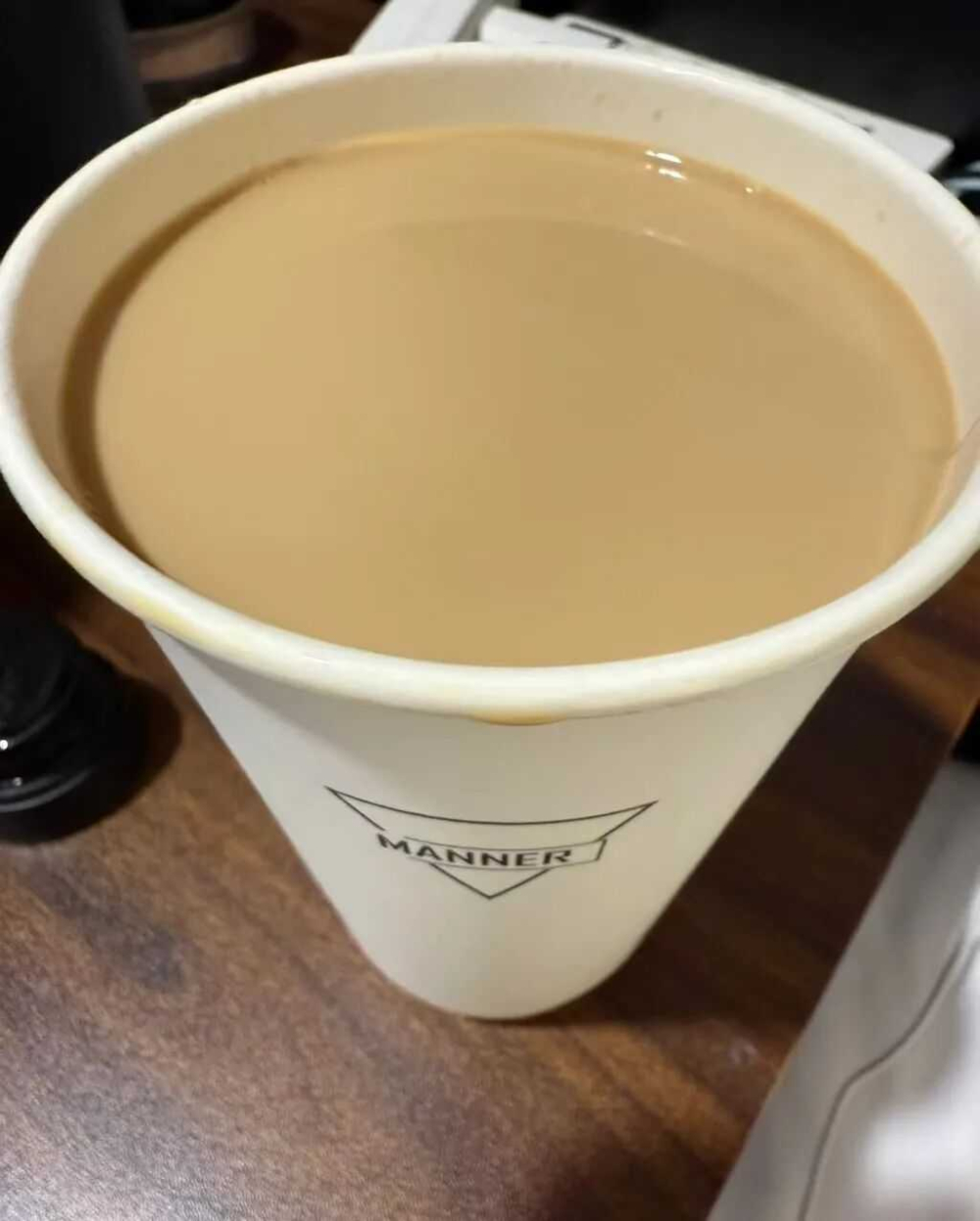
Many coffee enthusiasts love lattes not only for the perfect pairing of espresso and milk, but also for that layer of smooth, delicate foam and the intricate latte art. However, recently, one customer ordered a takeaway latte from Manner and was left deeply disappointed upon lifting the lid—instead of the expected frothy foam floating on top, there was just a flat surface of brown liquid.
The customer immediately gave feedback to the shop, but the response they received was unexpected: “Takeaway lattes aren’t supposed to have foam.” According to the staff, because foam tends to dissipate during delivery, leading to an underfilled cup, the company’s policy is to heat the milk with steam without additional foaming for takeaway lattes. The hot milk is simply mixed with the espresso and then packaged for takeaway.
This explanation didn’t sit well with many consumers, who felt that a latte without foam was like losing its soul, and questioned whether such a product was “cutting corners.” However, from a professional standpoint, this approach involves more complex considerations.
In fact, the foam in a latte is formed by tiny air bubbles introduced into the milk using a steam wand. While these fine bubbles add to the texture and mouthfeel, they are also extremely delicate. Once the drink is shaken, bumped, or even left standing for a period during transit, the foam gradually collapses and dissipates. Especially in the context of takeaway, factors like bumpy roads and delivery delays can accelerate the disappearance of foam.

Therefore, many coffee shops choose to skip the foaming step altogether to avoid serving customers a drink that looks almost foamless or appears “not full enough.” While this sacrifices some texture, it ensures that the cup looks fuller, reducing the risk of complaints about the drink looking underfilled.
Industry insiders have also revealed that if foam is added to takeaway lattes according to standard procedure, it’s very likely that by the time the customer receives it, the foam will have almost completely disappeared—sometimes even making the drink look like it’s “half missing”—which can easily lead to negative reviews. As a result, some shops adjust the ratio of milk to coffee or use cups with more appropriate capacities to ensure the drink looks adequately filled when delivered.
From the photos related to the Manner incident, it can be seen that even without foam, the takeaway latte still appeared nearly full, suggesting that the staff may have intentionally added a bit more milk to avoid complaints about insufficient quantity.
However, this measure doesn’t fully resolve the issue. As chat records show, even when the cup looks full, customers remain quite dissatisfied with the absence of foam, feeling that the latte lacks its intended layers and flavors. For frontline staff, whether or not to add foam, it seems difficult to satisfy all customers, making the foam issue in takeaway lattes a major challenge for the industry.
For consumers, understanding the nature of foam and the effects of delivery can help us view the presentation of lattes more reasonably. If you particularly enjoy the texture of foam, it’s recommended to enjoy your latte in-store or communicate your preferences with the shop in advance. If you opt for takeaway, it’s also understandable that some shops may adjust their preparation methods due to delivery constraints—but the actual quality of the product you receive should still be the primary basis for judgment.
The above content is compiled by CoffeeHunters, a coffee news website.


