







Introduction:The Kafa Forest is renowned as the birthplace of global coffee and one of the earliest regions where the Geisha variety was discovered. This wild coffee gene bank nurtures unique and diverse heirloom varieties. Through washed processing and light roasting, it fully showcases terroir-driven aromas. This article will guide you through the geographical environment and coffee characteristics of the Kafa Forest, and share practical pour over suggestions for washed coffee along with authentic flavor experiences.
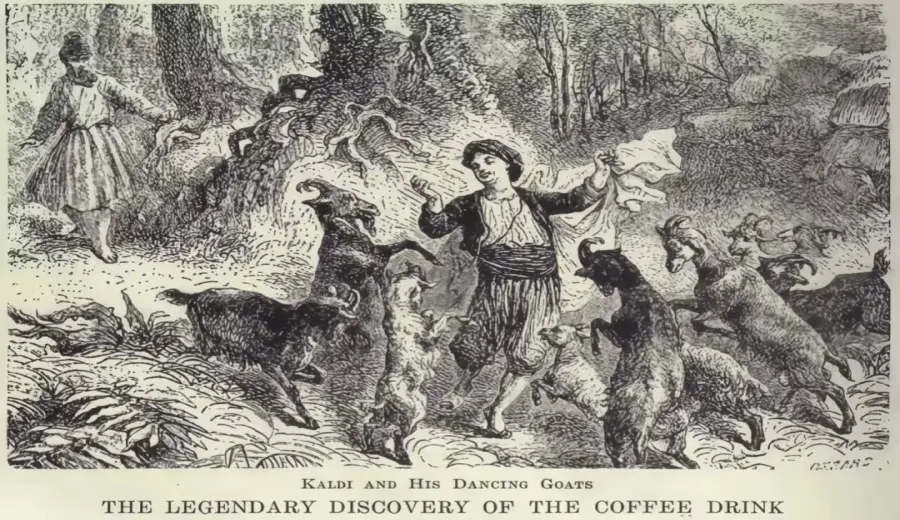
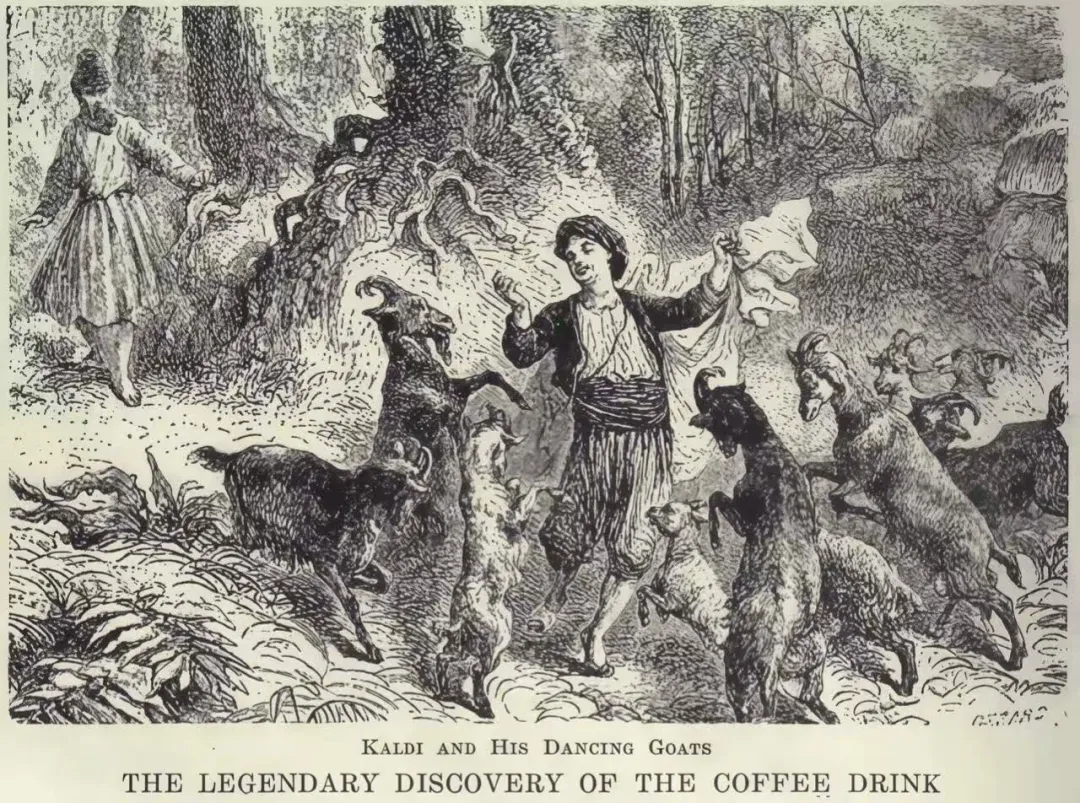
Among the many legends about the origin of coffee, the “Coffee Shepherd Boy” story is one of the most widely known versions. It is said that a shepherd boy in a forest in Ethiopia accidentally discovered that his sheep became unusually energetic after eating red berries from a certain tree. Upon trying them himself, he also felt refreshed and invigorated. From then on, these red fruits gradually evolved into the coffee familiar to people today. This forest, which inspired the history of human beverages, is the Kafa Forest located in the southwestern part of Ethiopia.
The Kafa Forest is not only an important setting for the Coffee Shepherd Boy legend but is also globally recognized as the birthplace of coffee and the discovery site of the famous Geisha variety. Many wonder why this forest holds such a significant place in coffee history. The answer lies in its unique natural environment and rich coffee gene pool.
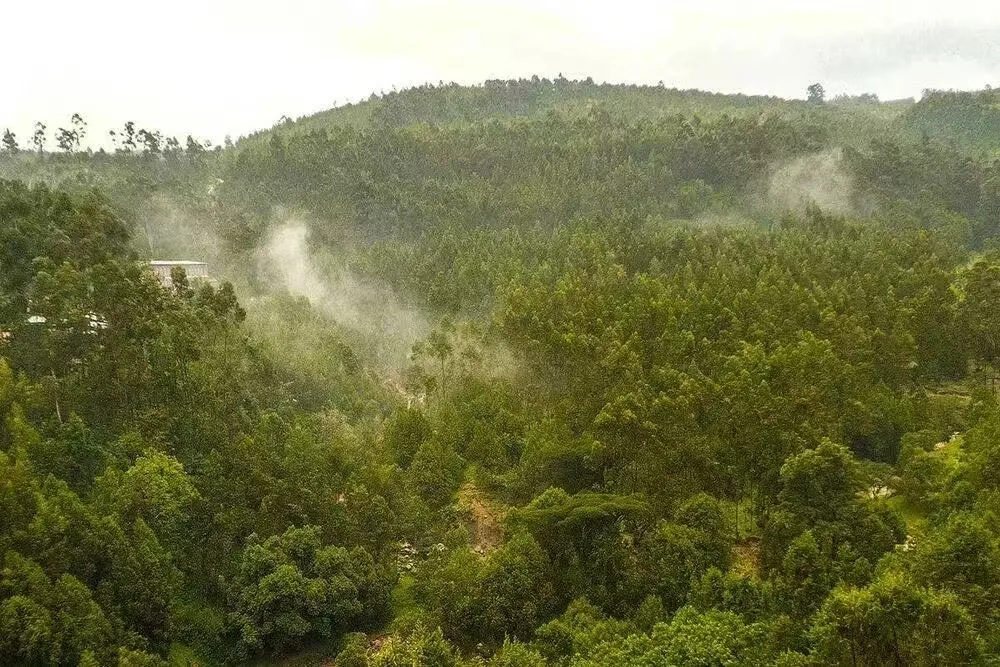
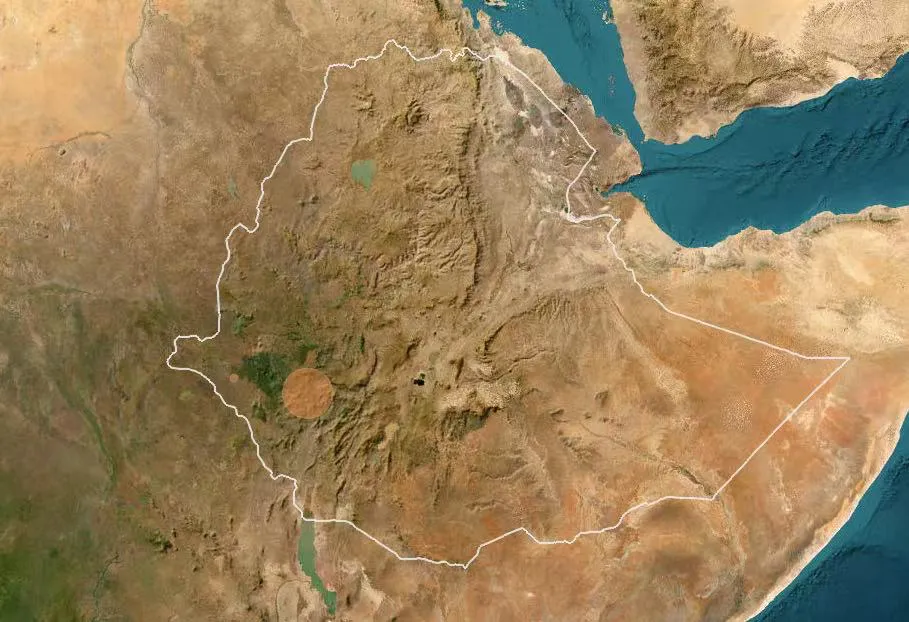
The Kafa Forest is situated in the southwestern part of Ethiopia and is part of the Kafa Biosphere Reserve, approximately 460 kilometers from the capital, Addis Ababa. The entire reserve spans 760,144 hectares, with the forested area alone exceeding 422,260 hectares, accounting for more than half. Such a high proportion of forest coverage, combined with mineral-rich red soil, stable rainfall, and moderate altitude, provides ideal growing conditions for coffee trees.
Over time, the coffee trees in this region have evolved naturally in their environment, forming thousands of heirloom varieties, many of which have not even been officially classified or named. For this reason, the Kafa Forest is hailed as a “natural coffee variety museum,” boasting the richest genetic diversity of Arabica coffee in the world.

Unlike the common smallholder backyard farming model seen across Ethiopia, coffee in the Kafa Forest is mostly harvested by local residents during the ripening season, who then deliver the cherries to cooperatives or processing facilities for further processing and sales. This gathering-based farming method preserves the natural ecology and genetic diversity of the coffee trees.
It’s worth mentioning that the Kafa Forest is also the birthplace of the famous Geisha (Geisha) variety. In 1931, a British expedition discovered a coffee tree with a unique flavor in a region called Geisha Mountain. This tree was later taken to Panama, where it thrived and gained widespread acclaim—this is the now highly praised Panamanian T2722 Geisha. However, many merchants refer to the coffee beans produced in the Kafa Forest as “Geisha,” though in reality, these beans are not the same variety as Panama’s T2722 Geisha, showing notable differences in both flavor and appearance.
To stay true to the authentic characteristics of this origin, a certain coffee brand chose to name this washed coffee bean after the place of origin — “Kafa Forest” — rather than using the commercialized term “Geisha.” The bean variety is a common Ethiopian heirloom blend, processed with light roasting and washed methods, aiming to highlight the region's distinctive floral and fruity aromas as well as its terroir qualities.
The basic information of this Kafa Forest coffee is as follows: Originating from the Kafa Forest in Ethiopia, grown at an altitude of about 1,800 meters, processed via washed method, graded as G1, and of the heirloom variety. In terms of flavor profile, it highlights bergamot, white floral notes, orange, and apricot, with an overall fresh aroma, bright acidity, and layered complexity.
Regarding brewing recommendations, since it is a light-roasted washed coffee, it is advisable to use medium-to-high water temperature and a moderate grind size to bring out clear fruit acidity and aroma. Specific pour over parameters are suggested as follows: 15 grams of coffee, 1:15 coffee-to-water ratio, water temperature around 92°C, grind size recommended at a fineness with 75% to 80% of particles passing through a #20 sieve, with total extraction time controlled to about 2 minutes. These settings help improve extraction efficiency while avoiding over-extraction that could lead to bitterness.
In actual tasting, the first impression is a bright fruity acidity, accompanied by the fresh aroma of sweet orange and nectarine, along with subtle oolong tea undertones. As the temperature drops, the juiciness of apricot and citrus fruits gradually emerges, resulting in a refreshing and balanced mouthfeel. The finish leaves a lingering melon-like fruitiness and a delicate tea-like sweetness. The overall experience is very smooth, with a long and comfortable aftertaste, making it highly suitable for coffee drinkers who enjoy fruity profiles.
In summary, the Kafa Forest, as one of the birthplaces of coffee, possesses irreplaceable ecological and genetic value. This washed heirloom coffee, named after its origin, through light roasting and washed processing, faithfully presents the region’s unique floral and fruity tones and refreshing flavors. If you wish to explore the original charm of Ethiopian coffee, this Kafa Forest coffee is an excellent choice.
The above content is compiled by CoffeeHunters, a coffee news website.


