







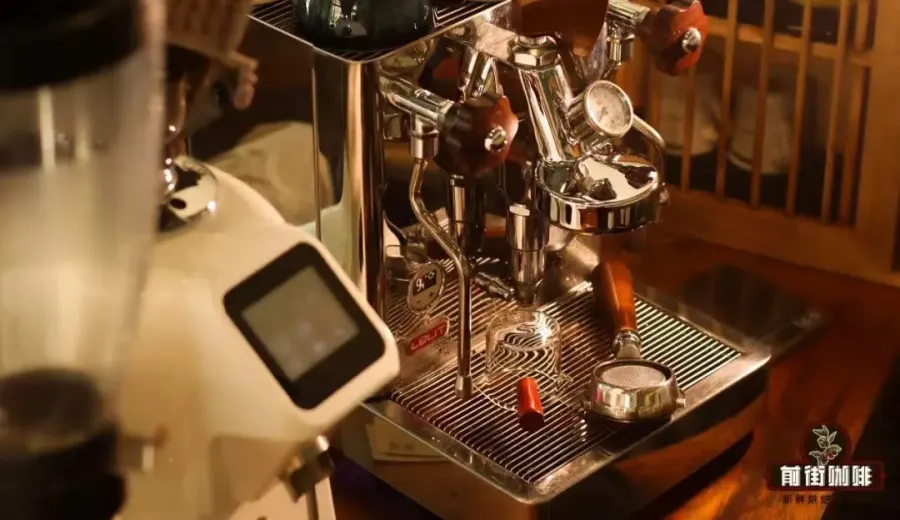
Introduction:Unstable extraction pressure, weak steam, and rough milk foam? These common issues often stem from a lack of proper maintenance for your espresso machine. This article delves into the causes behind common espresso machine malfunctions, covering everything from identifying worn gaskets and how to replace them yourself, to detailed cleaning steps for the steam system and brewing unit, as well as providing daily maintenance tips and recommended cleaning schedules to help you effectively extend the life of your machine and stabilize extraction quality.
Have you ever experienced fluctuating extraction pressure, unstable steam output, or milk foam that just won’t become velvety when using an espresso machine? These situations often lead people to assume it’s a technical issue, but in reality, most are caused by aging internal components or built-up residue inside the machine. Understanding the correct cleaning and maintenance methods can not only improve extraction stability but also significantly enhance coffee flavor and extend the lifespan of your equipment.
This article will detail the key points and recommended intervals for maintaining essential components, from gasket replacement and daily upkeep to deep cleaning procedures, accompanied by illustrative diagrams (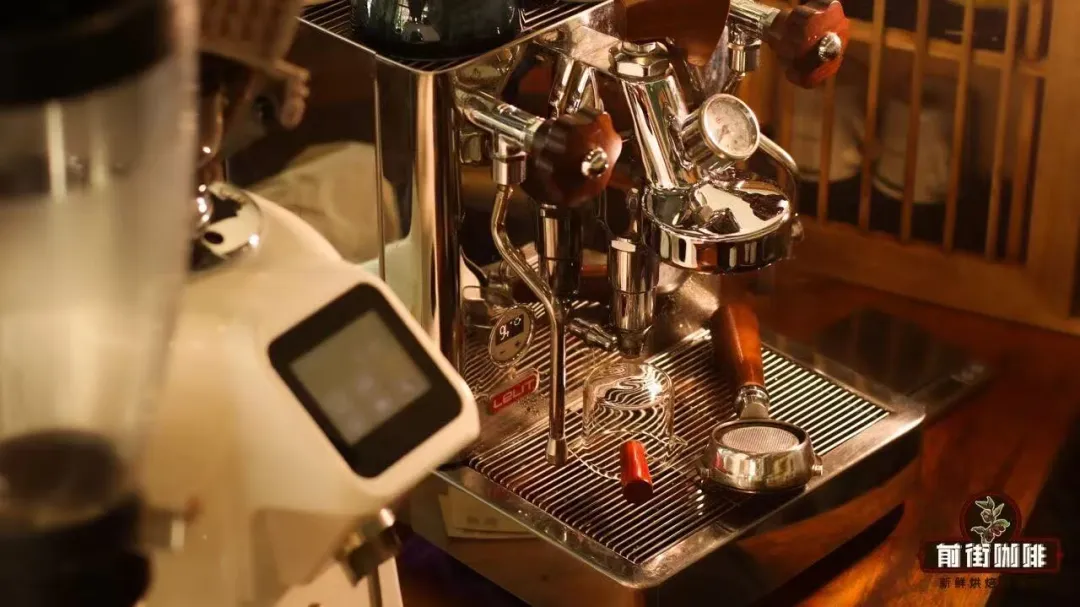 ), helping you systematically master espresso machine care techniques—suitable for both home users and small shop owners.
Common problems such as unstable extraction pressure are often due to a lack of thorough cleaning over time, leading to clogged internal pipelines or worn parts. If users notice inconsistent extraction times, abnormal flow rates, or inconsistent coffee flavors, these are likely warning signs that the machine needs maintenance. Additionally, weakened steam pressure from the steam wand or rough milk foam may also result from buildup on the steam tip or residual milk inside, which can negatively affect the texture and stability of the foam.
In daily use, you can actually significantly improve your machine’s condition with just two simple steps:One is to run hot water before and after extraction to flush out coffee grounds stuck to the shower screen; the other is to wipe the steam wand with a damp cloth after frothing and then purge it to remove any leftover milk inside.These small actions can effectively prevent odor buildup and pipeline blockages ( ). If time allows, it’s recommended to use a soft brush to clean the brew head of any accumulated residue at the end of each day to further reduce the risk of off-flavors.
For high-frequency users, it’s advisable to perform deeper cleaning. The frequency of deep maintenance depends on usage—for example, high-use settings like coffee shops should ideally perform it daily after closing, while home users can do it weekly or biweekly. Among these,backflushingis an important step to remove residual coffee grounds and oils inside the machine. To do this, replace the portafilter basket with a blind filter (usually included), add a small amount of espresso machine-specific cleaner, start extraction, and let hot water circulate for about ten seconds before turning it off. This allows the cleaner to remove internal dirt through reverse water flow. Repeat this process three to four times to complete the backflush (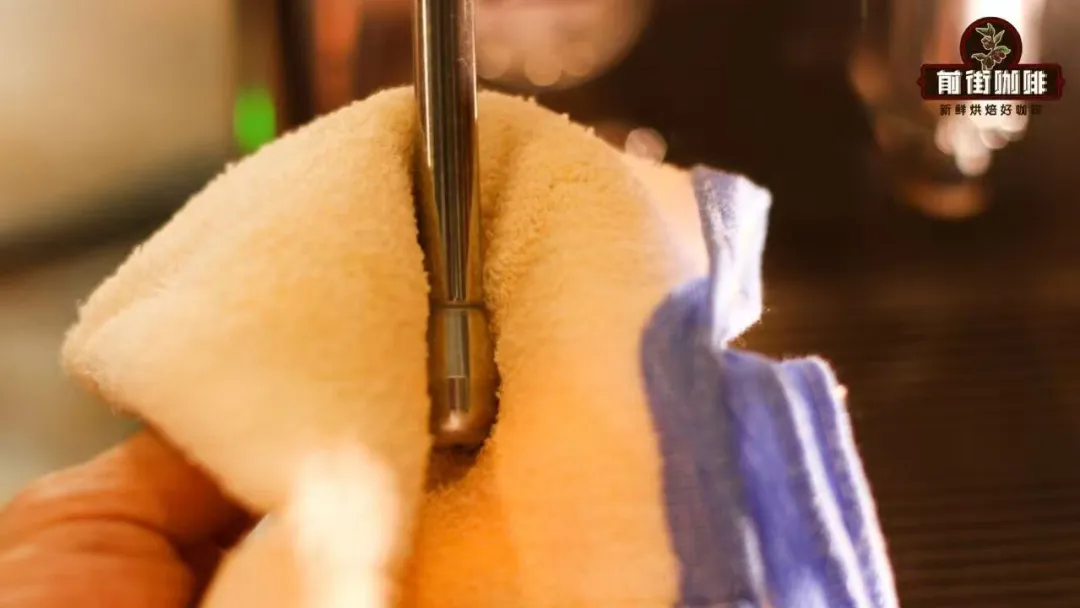 ).
Deep cleaning of the steam wand is equally essential. Even if you wipe the exterior regularly, the interior can still accumulate milk residue, which over time weakens steam pressure and affects milk foam quality. It’s recommended to remove the steam tip, soak it in hot water mixed with cleaner for about 30 minutes to overnight, then use a fine brush to clean the inside before rinsing thoroughly with water (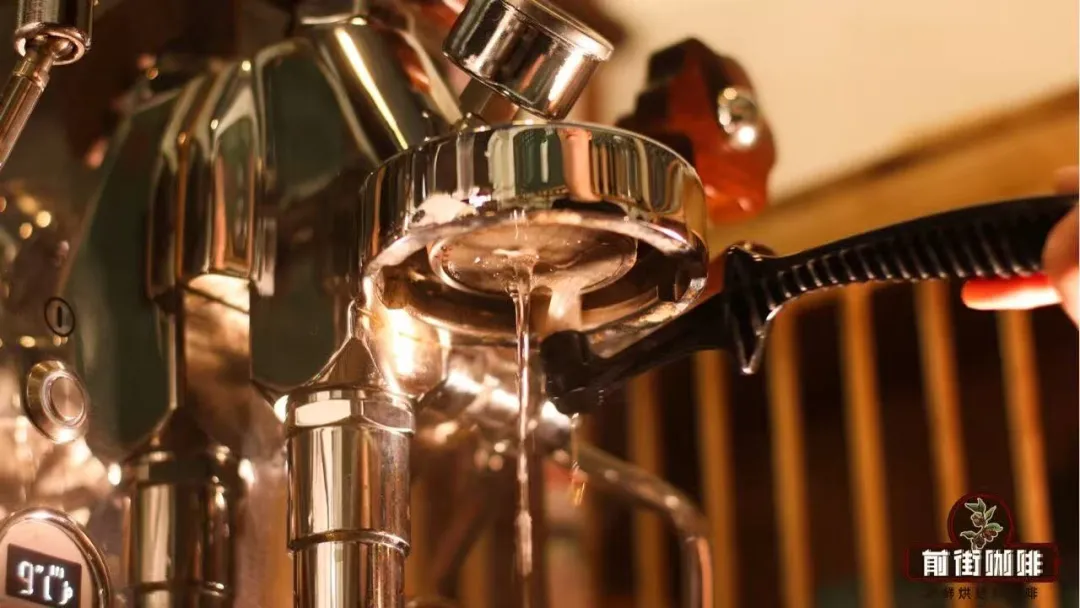 ).
Another part you can replace yourself is thegasket inside the brew head, which primarily functions to secure the shower screen and ensure a proper seal during extraction. When a gasket ages, common signs include water leakage during extraction or the portafilter appearing to sit deeper than usual when installed. These issues indicate impaired sealing, which directly impacts extraction pressure and stability. Replacement usually just involves purchasing the correct gasket for your machine model and following the included video to remove the old one and install the new one (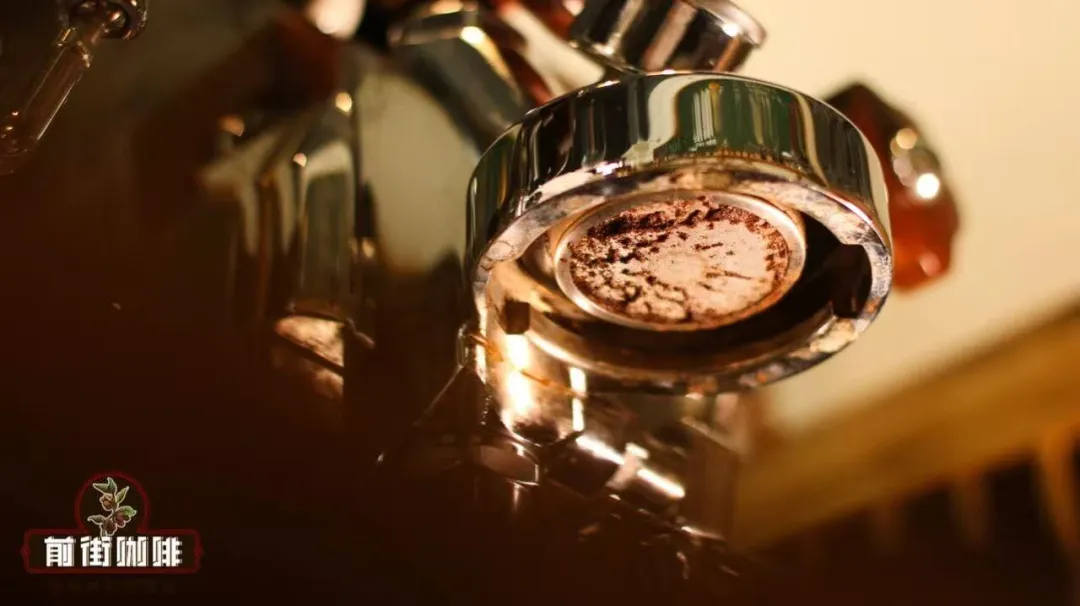 ,
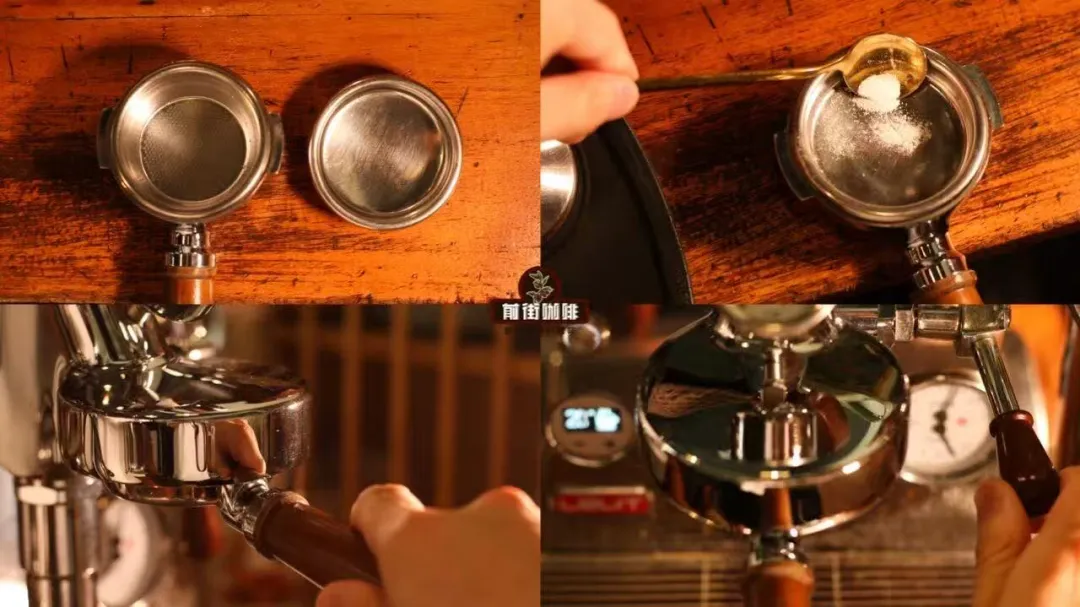 ). Installation may vary slightly between different brands and models, but most are straightforward, and doing it yourself can save on significant service fees.
As for the water tank and boiler inside the machine, because they are used over long periods, they are prone to limescale and impurity buildup. It is recommended to have them professionally cleaned every six months to a year to avoid affecting water quality and extraction flavor. If your machine has a built-in water filtration system, remember to regularly replace the filter cartridges to maintain optimal water quality (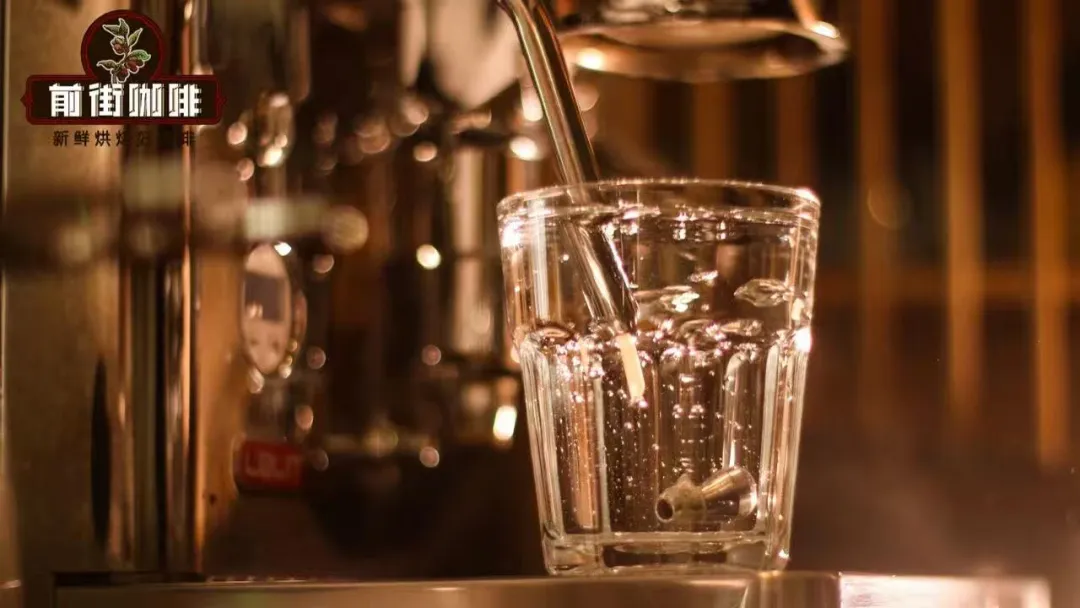 ). In addition, users with bottomless portafilters should note that their internal corners are more prone to residue buildup, so it’s advisable to disassemble the portafilter at the end of the day and clean the inside with water and a brush to prevent residual substances from affecting future extractions.
In summary, regular cleaning and careful maintenance are key to keeping your espresso machine functioning effectively and ensuring consistent coffee flavor. As long as you master the right maintenance methods, even a home machine can operate stably for the long term and continue producing high-quality coffee.
The above content is compiled by CoffeeHunters, a coffee news website.


