







Introduction:Freezing coffee beans is a common method to extend their shelf life, but sometimes the brewed coffee may lack aroma or have a flat flavor. In fact, with the right storage methods and brewing parameters, frozen beans can still deliver excellent results. This article details how to properly portion and seal the beans, prevent condensation, whether frozen beans need to be thawed, and how to adjust brewing strategies accordingly. We also include practical test data to illustrate the differences and help you master the brewing techniques for frozen coffee beans.
Does putting coffee beans in the freezer really help extend their shelf life? Some coffee enthusiasts have found that coffee brewed from beans taken straight from the freezer often has noticeably weaker aroma and a thinner taste, leading them to question the effectiveness of freezing. However, when stored and brewed correctly, freezing can actually slow down the release of carbon dioxide from the beans, thereby preserving their freshness longer. This article will take you through the proper use of frozen coffee beans, covering key topics such as sealing and portioning, avoiding condensation, and whether or not to thaw before brewing—along with real-world examples for a complete understanding.
However, some readers have shared experiences where coffee brewed from frozen beans had inferior aroma and flavor compared to beans stored at room temperature. Why does this happen? In many cases, the issue isn’t the freezing itself, but rather improper storage methods or failure to adjust brewing parameters to suit the characteristics of frozen beans.
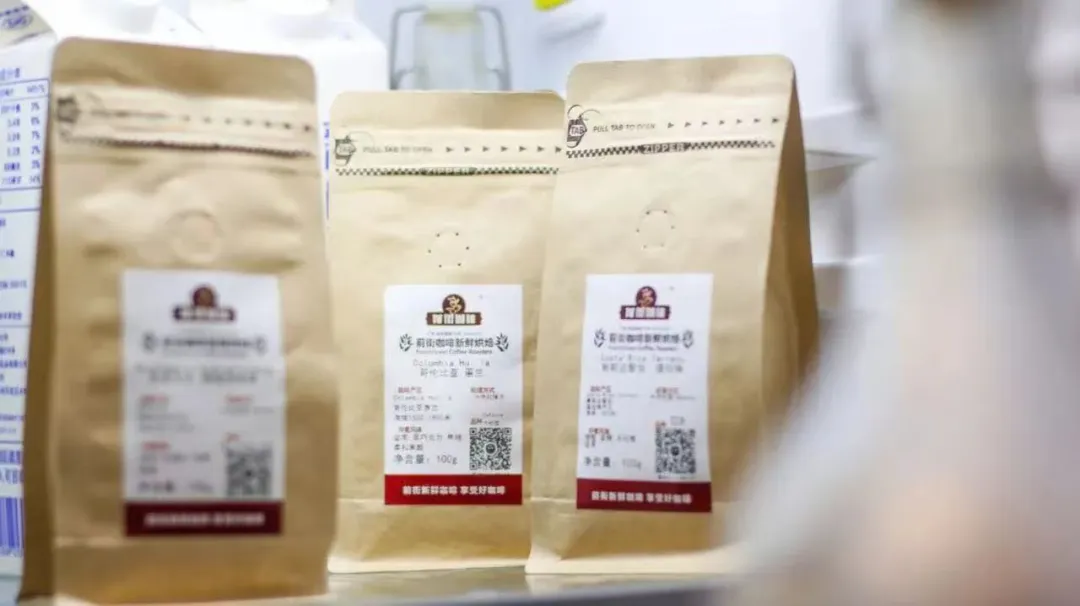
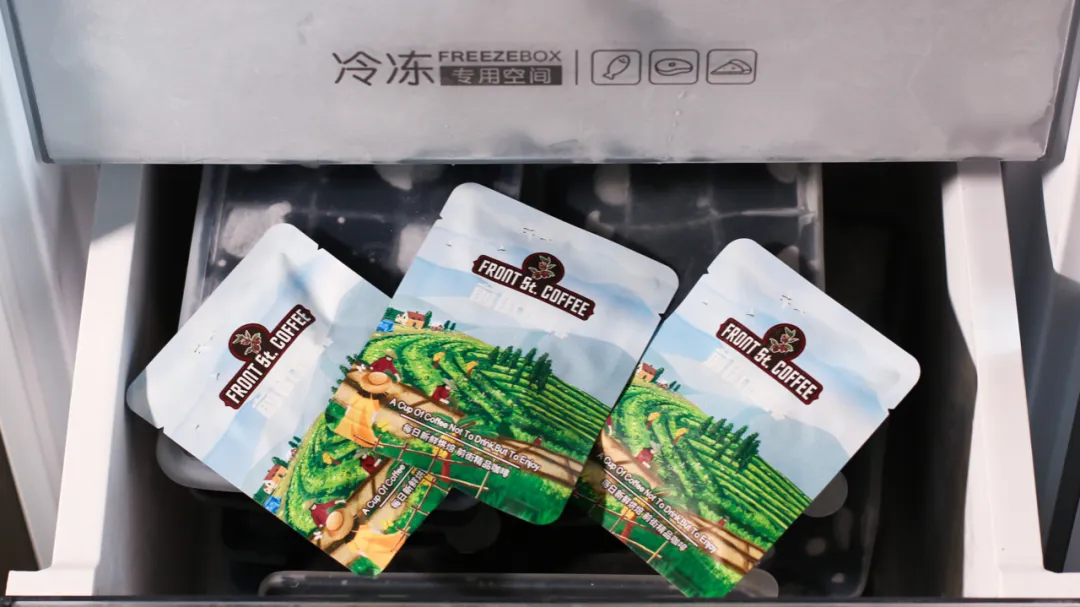
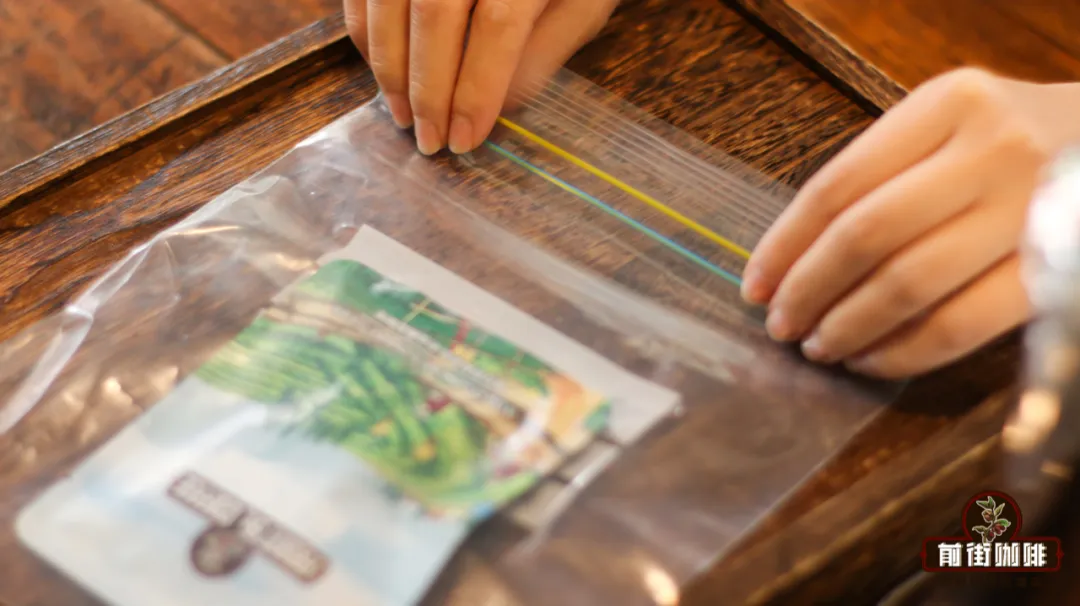
Let’s start with how to properly freeze and store coffee beans. Many people put their beans directly into the freezer in their original packaging, which can lead to moisture absorption, aroma loss, or even the beans picking up odors from the fridge. It’s important to ensure the packaging is properly sealed before placing it in the freezer. If the original package has a degassing valve, make sure to cover it with tape to prevent air exchange. This helps effectively block moisture and odors, preserving the beans’ original flavors.
Additionally, if possible, it’s recommended to divide the beans into smaller portions, sealing only the amount needed for each use. This reduces the chance of the remaining beans being exposed to room temperature air each time you take some out. Even brief exposure can cause condensation on the bean surface, leading to moisture and flavor degradation. Therefore, proper portioning is a key aspect of freezing storage. For even better aroma protection, you can also wrap the beans in an additional sealed bag or use a reusable airtight container—both are good options.
So why does the brewed coffee still taste different even when the beans are properly stored? This brings us to adjusting brewing parameters for frozen beans. The overall structure of frozen coffee beans is different from that of beans at room temperature—factors such as increased brittleness and lower temperature can all affect grinding and extraction performance. Without corresponding adjustments to brewing strategy, you might end up with coffee that has weak aroma and thin body, just as some users have experienced.

One brand conducted a test using the same Yirgacheffe Guji Dingding coffee beans, brewing them both at room temperature and frozen, using identical parameters. The results showed that the room temperature beans had an extraction yield of 19.46%, with a rich flavor profile including white floral notes, lemon, berries, and oolong tea aromas, along with a round body and long aftertaste. In contrast, the frozen beans using the same parameters had an extraction yield of 18.06%. While the flavor types were similar, the overall intensity was noticeably weaker, and the body felt much thinner.
This demonstrates that brewing frozen beans directly with standard parameters does indeed impact flavor performance. However, users can make adjustments in two ways: either improve extraction efficiency during brewing, or thaw the beans first and then brew using standard parameters.
The first method is to brew without thawing, but with appropriately increased extraction efficiency. For example, you can increase the water temperature, extend the blooming or brewing time, or opt for a finer grind. Since frozen beans continuously absorb heat from hot water in their low-temperature state, failing to adjust could result in under-extraction. Though this method is more challenging, with proper control, it’s still possible to brew coffee with full flavor.
The second method is to take the beans out and let them thaw in advance—ideally for at least half an hour—until they return to near-room temperature. In this case, there’s no need to change the original brewing parameters to achieve stable extraction performance. But it’s crucial to note that the beans must not be unsealed during the thawing process; otherwise, condensation will quickly form on the bean surface due to the temperature difference, leading to moisture and flavor damage. Be especially careful with this step.
In summary, frozen coffee beans can indeed extend their shelf life under the right storage conditions, but every step—from proper sealing and portioning to adjusting brewing parameters—requires attention. For beginners or those not yet familiar with brewing techniques, frozen storage may add complexity to the process. It’s recommended to wait until you’re comfortable with basic brewing procedures before trying it, in order to avoid compromising the final cup due to improper handling. Choose the most suitable storage and brewing methods based on your own needs and skill level, so you can truly enjoy the best flavor in every cup.
The above content is compiled by CoffeeHunters, a coffee news website.


