







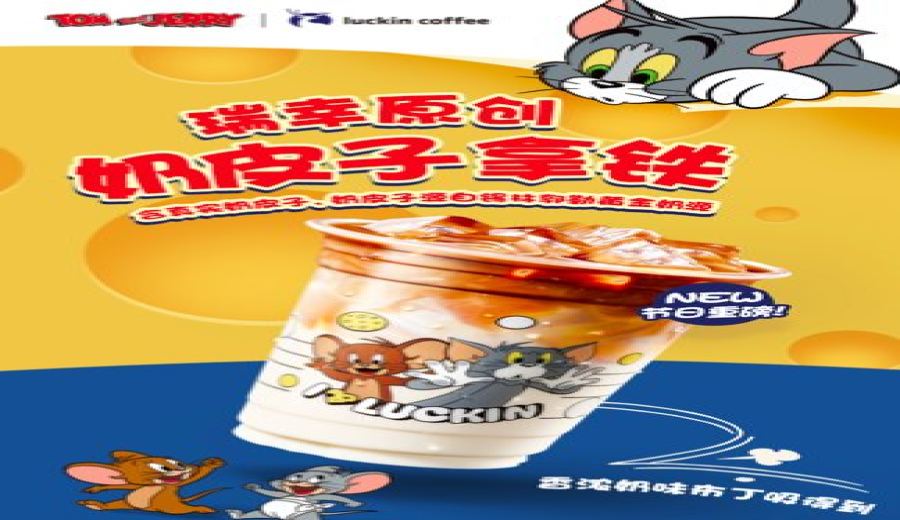
Introduction:Luckin Coffee’s collaboration with the classic animated series Tom and Jerry introduced the “Milk Skin Latte,” inspired by Inner Mongolia’s signature milk skin. The drink aimed to deliver a novel milky flavor experience. However, post-launch consumer feedback was polarized—some loved its unique pudding-like texture, while many others complained about the sweet-and-bitter layering and poor integration between the milk custard and coffee. This article delves into the true flavor profile of the beverage, the disparity in user reviews, and the accurate definition of Inner Mongolian milk skin, helping you understand the reasons behind the controversy and offering drinking suggestions.
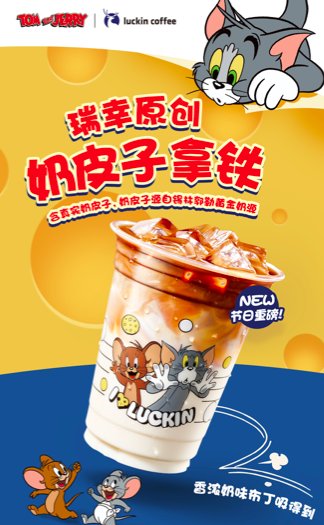
Luckin has once again teamed up with the iconic animation Tom and Jerry to launch a special coffee inspired by a traditional Inner Mongolian ingredient—“milk skin”—called the “Milk Skin Latte.” It quickly sparked a wave of curiosity in the market. This new product claims to include “real milk skin” in the latte, aiming to provide consumers with a distinctive coffee experience through a pudding-like milky texture. However, actual market feedback showed a clear divide.
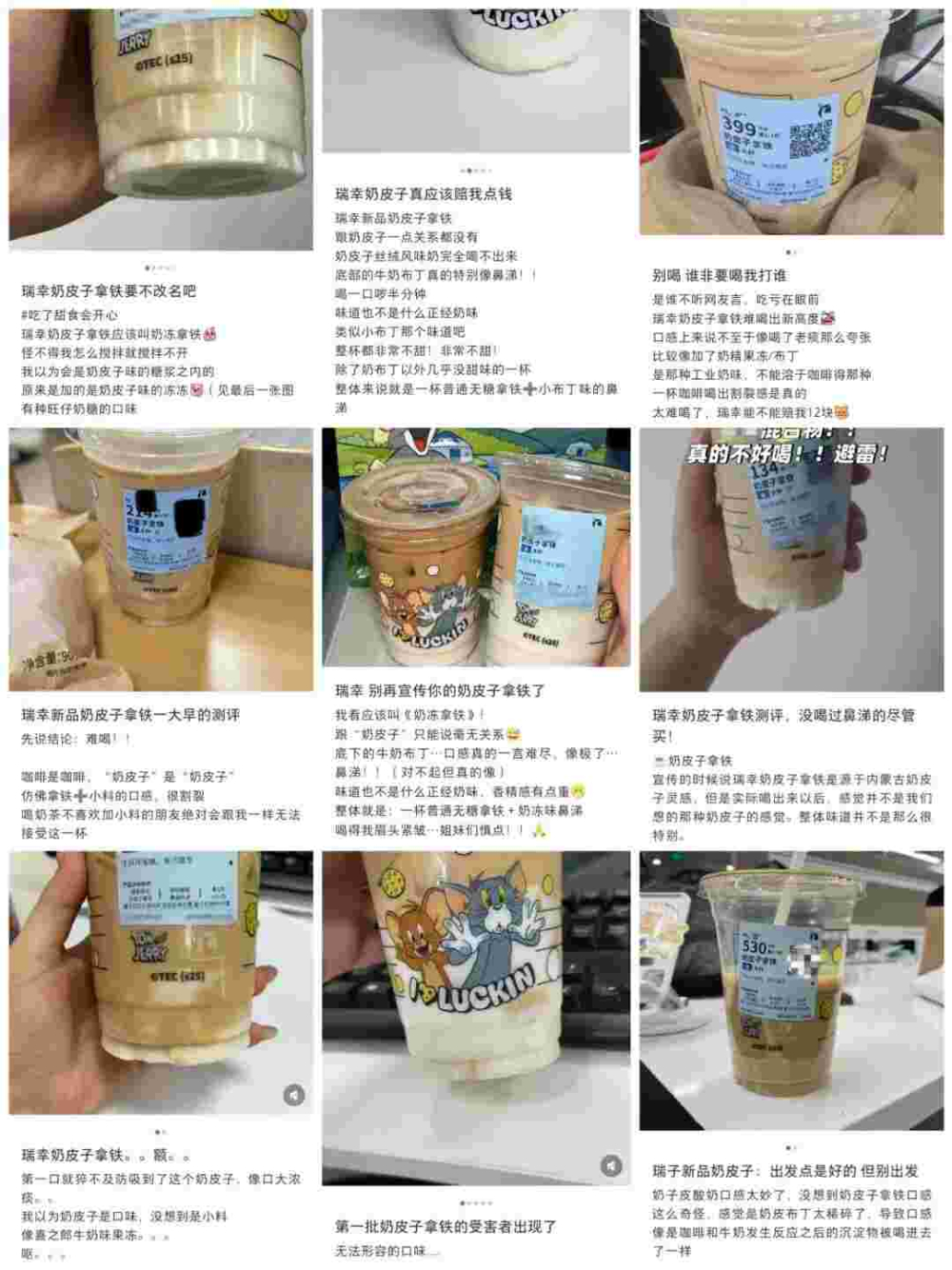
Among the first group of customers to try it, many were impressed by its unique mouthfeel, especially the dense, pudding-like milk custard layer that added a texture unlike traditional lattes. However, a significant number of users reported that the milk custard at the bottom of the cup visibly separated from the coffee above, and even after stirring, it was hard to blend uniformly. This resulted in a sip that started with sweet, milky flavors followed abruptly by the bitterness of coffee—a disjointed experience described as “one sip sweet, one sip bitter.”
This layering issue led many consumers to joke that the drink was like “double skin milk and latte going their separate ways,” feeling that the two flavors failed to harmonize as expected, making the overall drinking experience feel jarring. Especially when the milk custard settled at the bottom, failure to stir it thoroughly could result in vastly different flavors with each sip, affecting the drink’s overall consistency.
Further discussion focused on the true identity of the so-called “milk skin.” According to sources, Mongolian traditional milk skin comes in two types: one is a thin, naturally formed film on fermented fresh milk, commonly called “tuhēiwūrìmò” or raw milk skin; the other is a thick, coagulated milk skin formed after boiling fresh milk and cooling it, known as “bǎolēnsēnwūrìmò,” often used to make butter. However, observers from Inner Mongolia pointed out that based on videos showing how baristas prepare the drink, the milky white clumps in Luckin’s version do not appear to be naturally formed milk skin from fresh milk but more like an additionally prepared milk custard or pudding-like additive.
Some local Inner Mongolian consumers stated directly: “This is not the milk skin we know at all; the texture is more like double skin milk or tofu pudding.” As a result, many have suggested that if the goal is authenticity, the product name should be changed to “Milk Custard Latte” to avoid misunderstanding and confusion.
In response to negative reviews and skepticism, Luckin swiftly adjusted by launching a “Milk Skin Latte (No Pudding)” version, hoping to cater to consumers who dislike the milk custard texture. However, this change also sparked another round of discussion. Some customers said that while the latte without the pudding highlighted the coffee’s natural flavor more, it lacked the innovative appeal emphasized in the original promotion, tasting “plain and unremarkable” and failing to leave a lasting impression.
In summary, the buzz around the “Milk Skin Latte” involves not just its innovation but also the gap between flavor pairing, the authenticity of ingredients, and consumer expectations. For readers looking to try it, it’s recommended to consider your personal tolerance for sweet milky flavors versus bitter coffee notes before ordering. If you prefer a more unified flavor profile, you might consider opting for the no-pudding version—or skipping this product altogether.
Regardless of the outcome, this market feedback serves as a reminder to the coffee industry that innovative flavors must balance traditional perceptions with actual taste harmony to truly earn consumer approval and affection.
The above content is compiled by CoffeeHunters, a coffee news website.


