







Introduction:Choosing the right coffee beans and grind size is key to a successful Moka pot extraction! This article explains in detail how to select the appropriate roast level and flavor profile of coffee beans based on different drinking preferences—such as making milk coffee or pure black coffee—and provides precise recommendations on grind size and coffee dosage. Whether you're a beginner or an advanced user, you can quickly master the optimal extraction parameters and practical tips for using a Moka pot.
When using a Moka pot, one of the most common questions is: “Which coffee beans should I choose? How fine should I grind them? And how much coffee powder should I use?” These seemingly simple questions actually have a huge impact on the extraction result. Whether you want to brew a rich milk coffee or pursue the pure flavors of black coffee, choosing the right beans and adjusting the parameters correctly are the first steps toward deliciousness.
For users who enjoy milk coffee, it is recommended to prioritize medium-dark roasted Italian-style blends. These coffee beans undergo sufficient caramelization reactions, resulting in rich flavors with strong roasted notes and a creamy texture. When paired with milk, they deliver a balanced and mellow mouthfeel, while the oils in the beans also add a velvety body to the coffee. The acidity is greatly reduced during the dark roasting process, making it less likely to produce harsh acidic notes when mixed with milk, thereby better highlighting the coffee’s full-bodied layers.
If you’re just starting out with a Moka pot, you might as well begin with commonly available medium-dark roasted Italian-style blends on the market, such as classic blends or commercial blends. These beans generally offer good value for money and are suitable for everyday use. Their roasting characteristics are naturally suited for espresso or Moka pot brewing, consistently producing a rich and balanced coffee base.
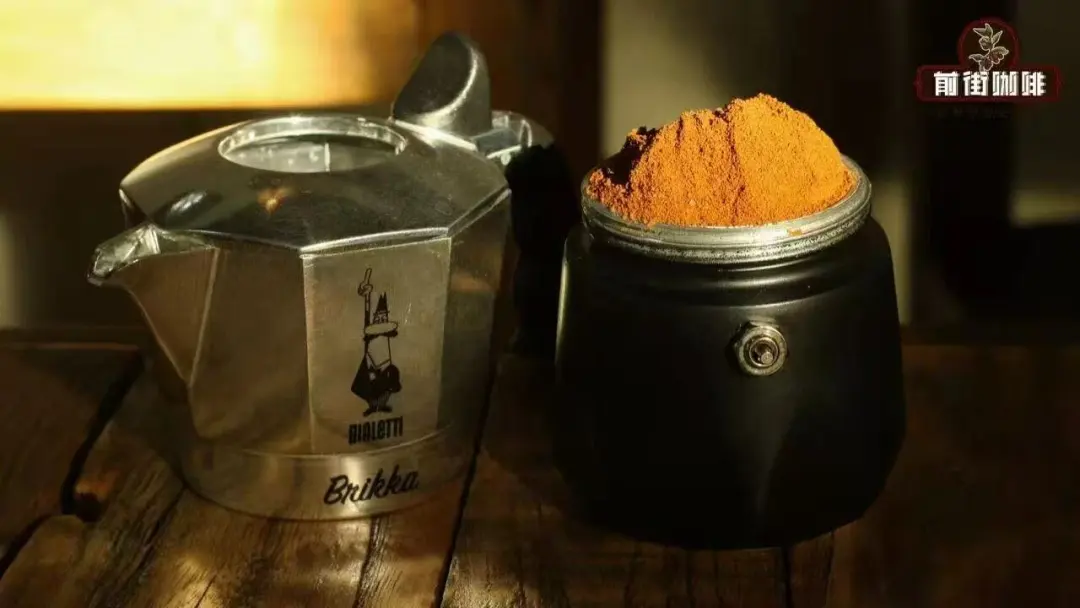
In terms of specific operation,if you’re using a Moka pot to make milk coffee, it is recommended to use an extremely fine grind size, close to the standard for espresso, which is almost as fine as flour. This kind of grind allows the hot water to effectively extract enough flavor compounds and oils when passing briefly through the coffee bed, enhancing the overall concentration of the coffee liquid. It is suggested to control the coffee-to-water ratio at around 1:4—for example, using about 20 grams of coffee powder for a single serving, then pouring about 80 milliliters of water into the lower chamber. This helps extract a sufficiently intense coffee that still retains its full flavor even after being mixed with milk.
In contrast, if you prefer pure black coffee, your choice of beans becomes much more flexible.Whether it’s a bold and rich dark roast bean or a bright and lively medium-light roast single-origin bean, you can freely explore according to your personal taste. If you enjoy a thick, bitter-sweet finish with lingering aftertaste, you can continue using medium-dark roasted blends; if you prefer bright acidity and fruity notes, medium-light roasted beans would be more suitable for you.
For example, the provided Natural Hongkui exhibits distinct tropical fruit flavors, such as citrus, berries, and apricot, with clear sweet and sour notes, ideal for users who enjoy fruity profiles; Kenya · Little Tomato showcases a high-acid, bright, and layered taste, reminiscent of unique sour aromas similar to dark plums and cherry tomatoes, quite distinctive. Additionally, specialty single-origin beans like Xiazha and Strawberry Candy are also worth trying for users who love diverse flavor experiences.
In terms of grind size and coffee-to-water ratio,when making black coffee with a Moka pot, the grind can be slightly coarser than the extremely fine grind used for milk coffee, falling between medium-fine and medium is sufficient. This brings out a cleaner and more refreshing mouthfeel, while avoiding over-extraction that could lead to bitterness. To maintain a certain level of concentration, it is recommended to use a coffee-to-water ratio of 1:6—for instance, 20 grams of powder with 120 milliliters of water. This yields a coffee liquid with a softer taste, suitable for direct sipping. Of course, if you prefer higher concentration, you can reduce the amount of water poured, adjusting according to personal taste.
Finally, regarding the amount of coffee powder, generally you only need to fill the Moka pot’s coffee chamber to its indicated capacity. Too much or too little may affect the uniformity of extraction and pressure performance. As long as the coffee amount is reasonably filled, along with the correct grind size and coffee-to-water ratio, you can stably extract a cup of Moka pot coffee with balanced flavors.
In summary, the Moka pot is highly versatile. Whether you want to make a rich milk coffee or enjoy a pure black coffee, as long as you choose the right coffee beans, adjust the grind size and coffee-to-water ratio accordingly, you can easily get started and enjoy the pleasure of brewing Italian-style coffee at home.
The above content is compiled by CoffeeHunters, a coffee news website.


