







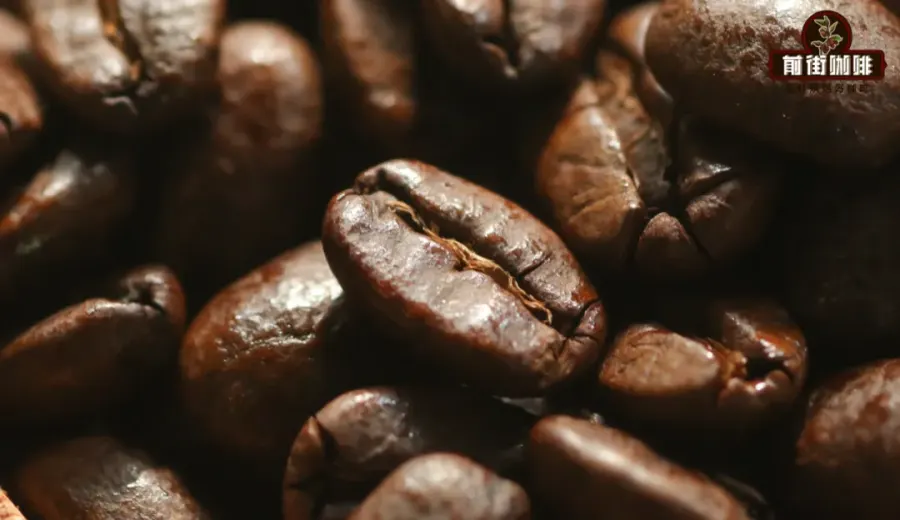
Introduction:The oily sheen on the surface of coffee beans often puzzles people—does it indicate high quality or that the beans are no longer fresh? This article delves into the science behind why coffee beans develop an oily appearance, exploring how roast level, processing method, and storage conditions affect this phenomenon, and offers practical storage advice to help you better understand the changes in your coffee beans.
When you open a coffee tin and notice a layer of oil on the beans, your first reaction might be to suspect they've gone bad. However, this phenomenon actually stems from the lipid content naturally present in the beans. Under appropriate roasting and storage conditions, oil surfacing is a normal physical change, and it’s not a definitive indicator of bean quality.
Green coffee beans inherently contain a certain proportion of water-soluble lipids, but before roasting, these oils are tightly bound within the dense fiber structure and cannot seep to the surface. It’s only after high-temperature roasting that the internal carbon dioxide and heat gases begin to release, allowing the lipids to migrate toward the bean’s exterior along with these gases, resulting in the shiny appearance we see.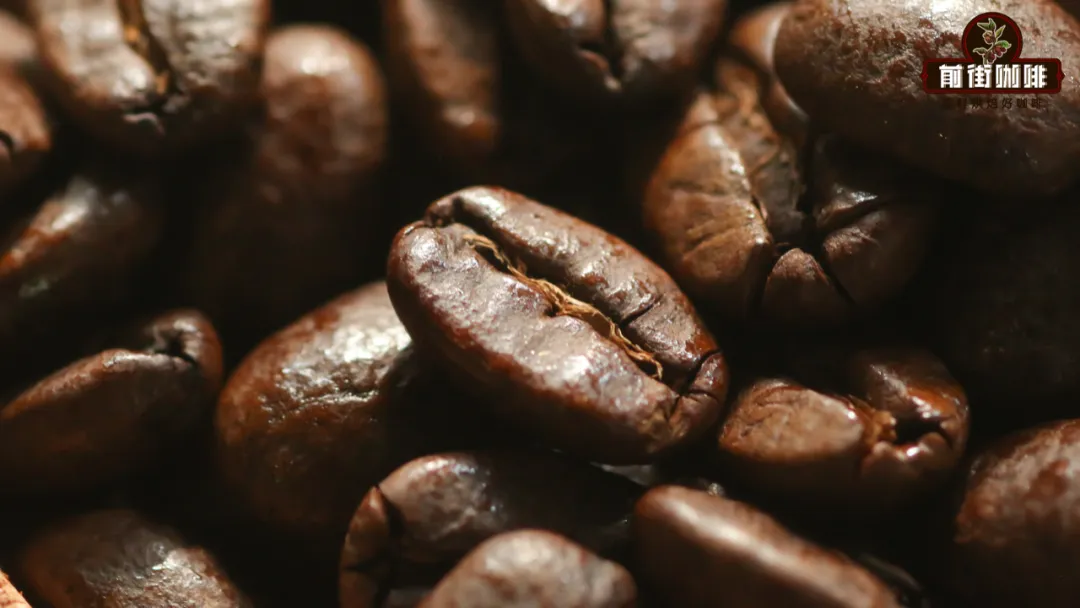
It’s worth noting that the degree of oil surfacing is closely related to roast level. Generally speaking,the darker the roast, the more the beans expand,and the looser their internal structure becomes, making it easier for carbon dioxide and oils to come to the surface. For example, medium-dark to dark roasted beans usually show oil more readily than medium-light roasted ones after the same amount of time.
 Taking real-world examples, if you have two batches of beans roasted on the same day—one with a medium-dark to medium roast and the other with a medium-dark to dark roast—the latter will typically exhibit more noticeable oiliness five days later. If the roast level is increased even further, some beans may display a visibly glossy surface right out of the roaster.
In addition to roast level, factors such as processing method and bean density also influence oil surfacing. For instance, coffee beans that undergo heavy anaerobic fermentation have their original density and structure altered during processing. Even with similar roast levels, these beans tend to oil more easily than those processed conventionally. Due to their lower density, such beans may achieve a deeper roast effect during processing, causing the oils to surface more quickly.
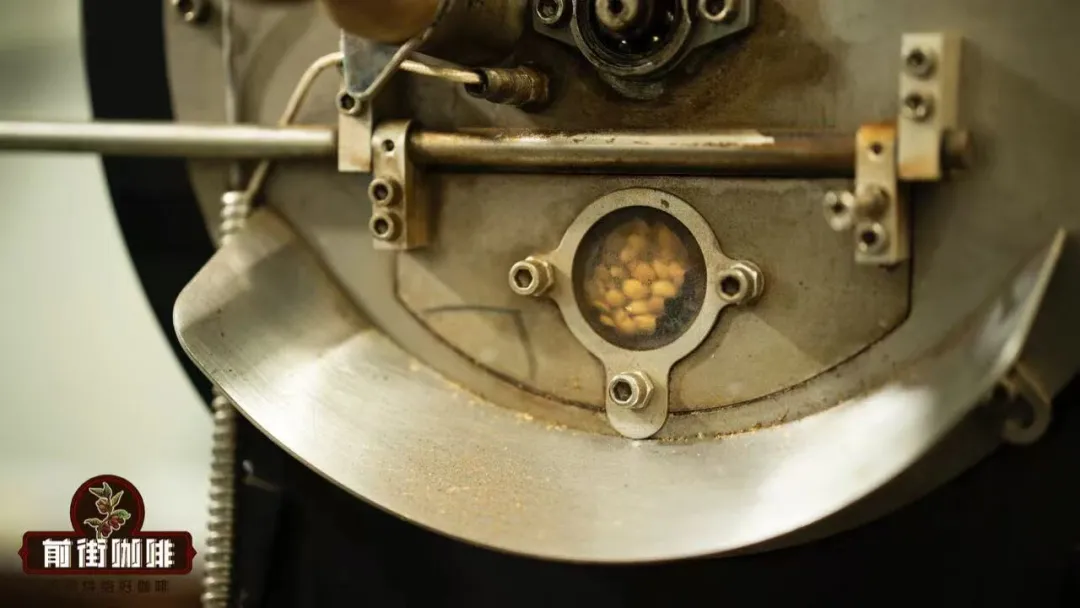
As for the roasting method itself, although it's harder for the average consumer to observe directly, variations in heat intensity and timing also impact the beans’ expansion rate and final oil appearance. This aspect is usually adjusted by the roaster based on the characteristics of the coffee variety, and is less accessible to everyday users—so we won’t delve into it here.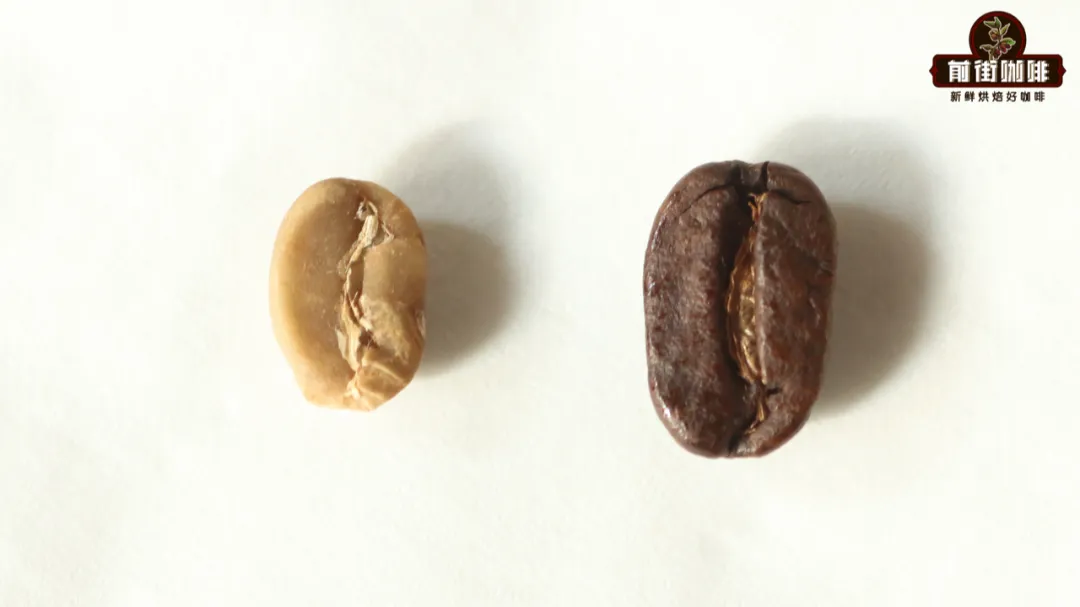
In summary, oil on the surface of coffee beans is not absolutely linked to quality, nor does it directly affect the flavor profile of the coffee. However, once beans start to oil, it indicates they’ve entered the later stages of the roast life, at which point storage environment becomes even more important. It’s recommended to store oiled beans ina cool, dry, and airtightcontainer, away from direct sunlight and moisture, to prevent oil oxidation that can lead to undesirable flavors.
Understanding the science behind oily coffee beans can help you approach this common occurrence more rationally, so you’re no longer misled by the sheen into misjudging freshness or quality. With proper storage, you can still enjoy the rich flavors and aromas that oiled beans have to offer.
The above content is compiled by CoffeeHunters, a coffee news website.


