








Introduction:Many beginner pour over coffee enthusiasts often use the "truncation" technique to avoid the bitterness and astringency brought by the late-stage extraction, thinking it can enhance the overall flavor. However, in reality, truncation is not a cure-all. If used improperly, it can actually weaken the coffee’s complexity and aftertaste. This article delves into the principles of truncation, explaining why bitterness isn’t exclusive to the later stages of extraction, when it’s reasonable to truncate, and offering practical advice to help you make more precise brewing decisions.
In the world of pour over coffee, the "truncation" technique is often regarded as a little secret to prevent over-extraction. Many beginners believe that simply lifting the filter cone early when extraction nears its end can effectively avoid bitterness. But based on actual brewing experience, this seemingly clever method isn’t entirely correct. While it may indeed reduce some risk of over-extraction, it doesn’t truly stop the release of bitter compounds and may even affect the overall flavor complexity and sweetness of the coffee.
So why do we still hear the term "truncation" during the brewing process? How does it actually work? More importantly, how do we determine when it’s appropriate to use and how to execute it correctly? This article will combine brewing parameters and real-life examples to thoroughly break down these questions for you.

A customer once shared their brewing experience at a local coffee shop, saying: “When the extraction time exceeds two minutes, it’s best to quickly lift the filter cone to prevent bitterness from coming out.” This kind of advice actually represents the mindset of many beginners, who hope to control the direction of the coffee’s flavor through simple actions, such as ending extraction early. And this action is what we commonly refer to as "truncation."
At the beginner stage, many are taught to perform truncation during the final stage to avoid over-extraction. However, this practice hides a common misconception: many assume that bitter compounds only dissolve during the very last stage of brewing. In fact, this notion isn’t entirely accurate.

Some believe that due to differences in molecular structure, acidic compounds—being smaller—dissolve first; followed by sweet compounds; and finally the larger, bitter components. While this explanation seems plausible, it overlooks a key point: all flavor compounds begin dissolving simultaneously, but their dissolution rates vary due to differences in molecular size.
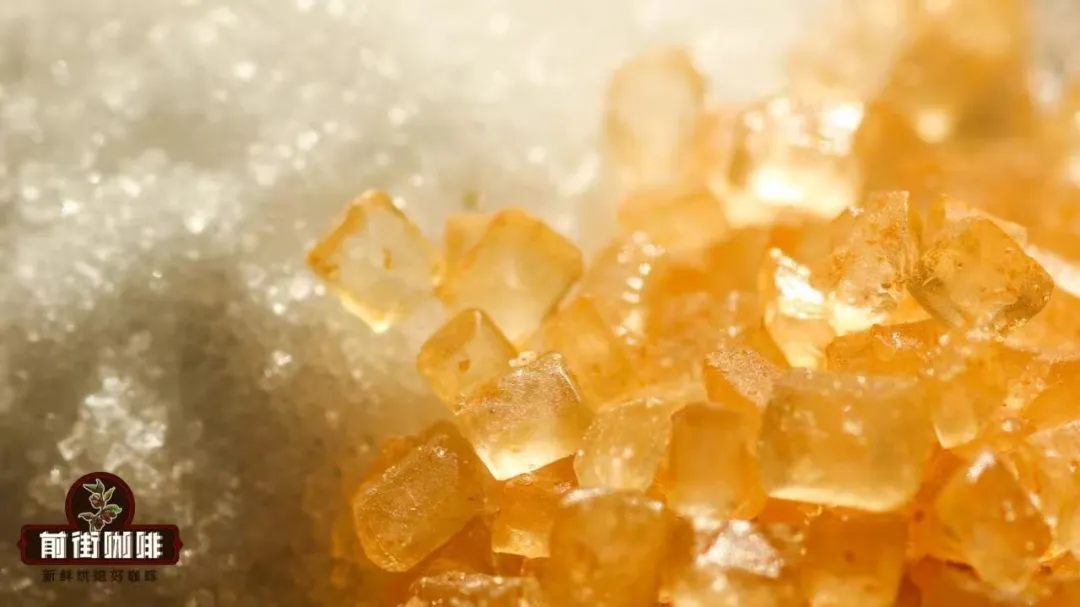
You can think of this process as similar to how sugar dissolves in hot water: powdered sugar dissolves fastest due to its large surface area; granulated sugar next; and rock sugar slowest. The same logic applies to coffee: acidic, sweet, and bitter compounds are released at the same time, but because bitter compounds have relatively larger molecules, they dissolve more slowly and often become noticeable only in the mid-to-late or final stages of brewing.
In other words, bitterness doesn’t "only appear in the final stage"; rather, it’s after the majority of acidic and sweet compounds have dissolved that the relative proportion of bitter compounds increases, making this stage of the coffee taste more bitter. Therefore, to avoid excessive bitterness, the key lies in controlling the overall extraction time and rhythm—not simply relying on truncation to "cut off" the bitterness.
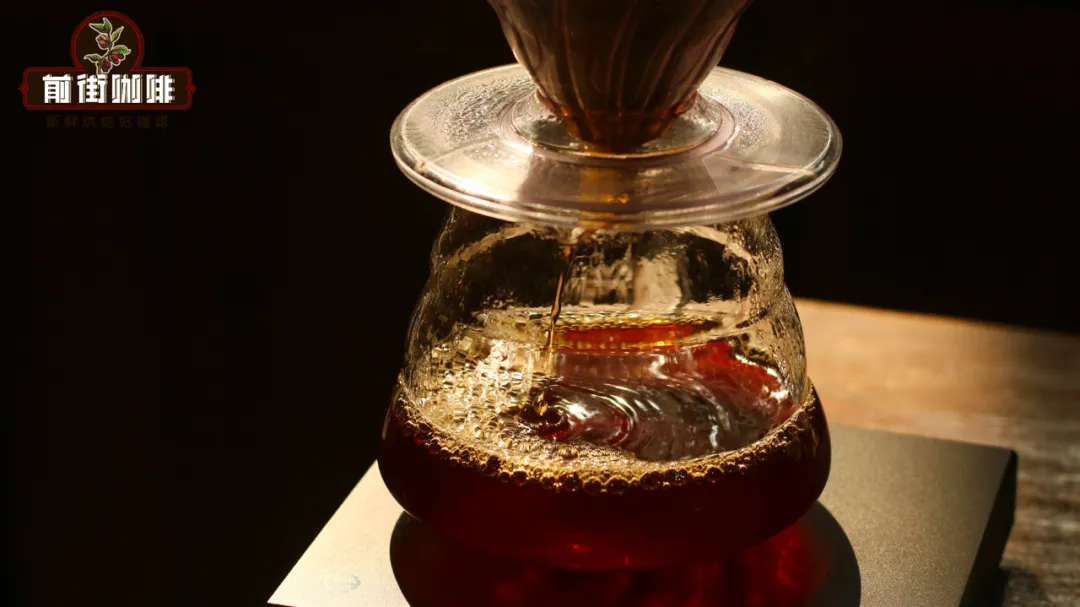
Since bitterness isn’t only released in the final stage, why do we still often hear that "truncation can prevent over-extraction"? This is because if the brewing time is too long, the continuous release of soluble substances in the coffee—including bitter compounds and impurities—can indeed increase, potentially leading to an imbalanced flavor. In such cases, timely truncation can serve as an adjustment measure.
However, truncation is not without side effects. If done prematurely or at the wrong time, it not only fails to improve flavor but may also reduce the coffee’s aromatic complexity and rich aftertaste, resulting in a thinner overall profile and even loss of the intended complexity.
Especially when brewing issues such as excessive fine particles or filter paper blockage cause unusually slow extraction speeds, some baristas may choose to truncate to avoid excessively prolonged extraction times. But even in such "passive truncation" scenarios, careful evaluation of current coffee-to-water ratios and flow rates is needed to ensure the coffee’s overall texture isn’t compromised.
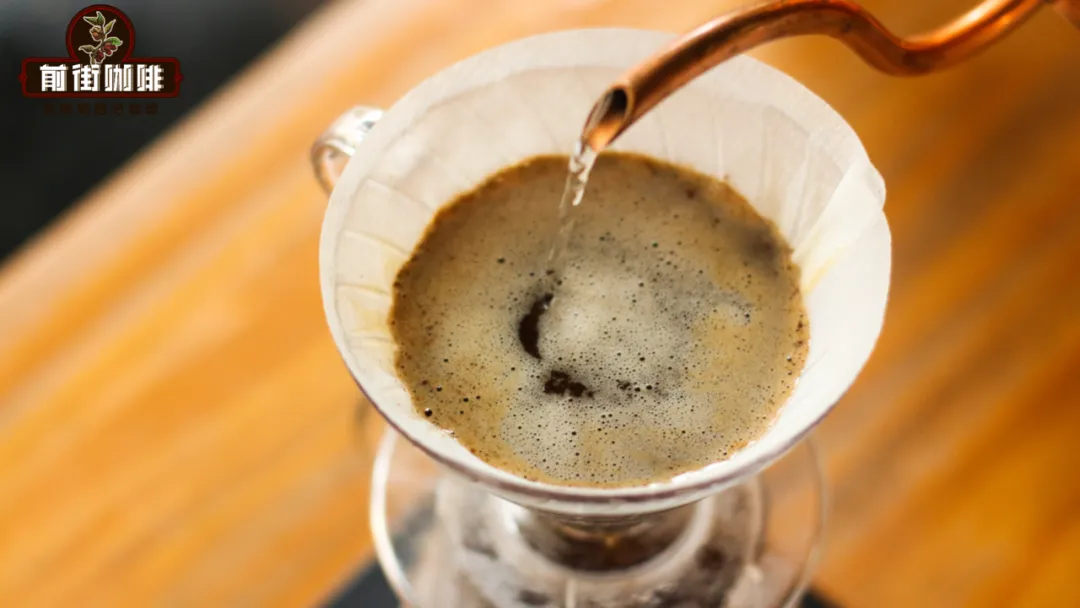
When discussing whether or not to truncate, we first need to clarify two common scenarios: active truncation and passive truncation.
Active truncation typically occurs in brewing methods where coffee-to-water ratio serves as the measurement benchmark. In these cases, the focus is on the final weight of the brewed coffee liquid, so it’s necessary to cut off unnecessary liquid outflow at the right moment to ensure that concentration and extraction yield meet the desired targets. This method is more precise and suitable for advanced users with clear flavor control needs.
As for passive truncation, it mostly happens when brewing conditions are not as expected—for example, due to excessive fine particles causing slow flow rates, or filter paper blockages that significantly extend the dripping time beyond the planned range. In such situations, to avoid overly long total extraction times and potential over-extraction, some baristas opt to lift the filter cone midway and end the brewing process early.
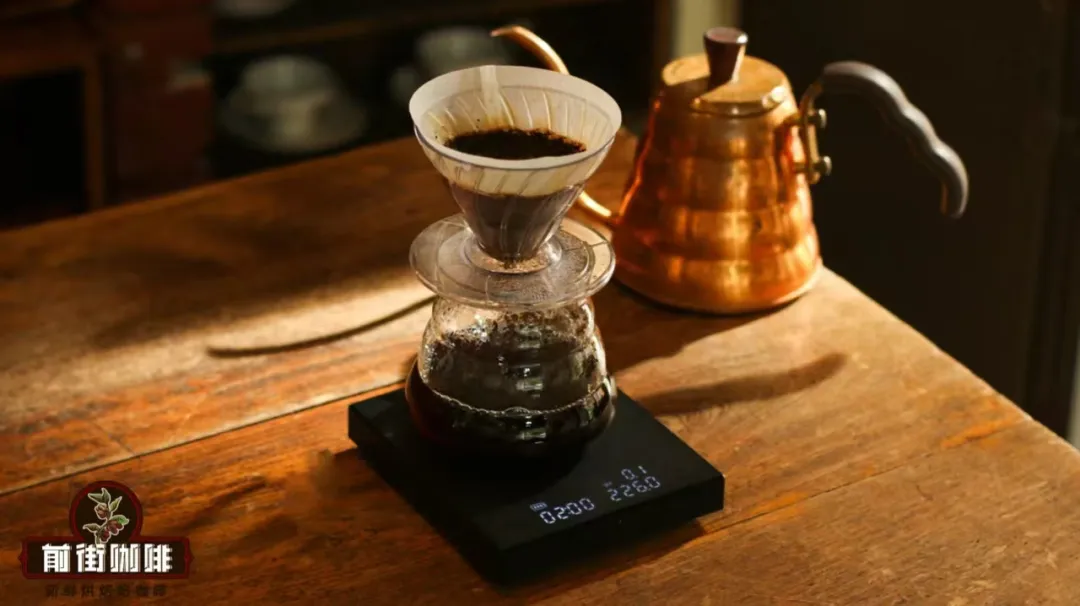
It’s worth noting that many home brewers are accustomed to using coffee-to-water ratios (i.e., the ratio of water poured to the weight of coffee grounds) to set brewing parameters. In such cases, frequent use of truncation can actually make the calculation of total extracted volume less accurate. Since digital scales usually only display the amount of water poured and time elapsed, the actual weight of lost coffee liquid during truncation can’t be directly known, which makes it difficult to correctly analyze which part of the process went wrong.
Therefore, if you’re brewing primarily based on coffee-to-water ratios, unless there’s a specific need, it’s not recommended to develop a habit of truncating every brew. Instead, you should prioritize adjusting fundamental parameters such as grind size, water temperature, and pouring techniques to identify the root causes of flavor issues.
So, when is truncation both reasonable and necessary? First, in professional brewing workflows that use coffee-to-liquid ratios for measurement, truncation can help you precisely control the final volume of brewed coffee, avoiding dilution of concentration or disruption of overall extraction balance due to excess liquid. This approach constitutes a strategic, active adjustment that can effectively improve flavor consistency and accuracy.
Additionally, when facing unexpected brewing conditions—such as filter paper blockages or excessive fine particles causing unusually slow flow rates—if the extraction time has clearly exceeded the ideal range (for example, more than two minutes, or even an additional twenty to thirty seconds), it may be worth considering early termination of extraction. This is to prevent overly prolonged steeping or dripping, which can lead to excessive release of bitterness and impurities, negatively impacting overall taste.
However, practical experience shows that most coffees aren’t as fragile as we might imagine, nor do they necessarily become over-extracted the moment they exceed two minutes. Therefore, it’s recommended to only consider truncation when you’ve clearly observed excessively prolonged extraction times and noticeable deviations in flavor performance.

In summary, "truncation" is not an essential step in brewing coffee, nor is it a panacea for all flavor issues. It’s more like a double-edged sword: used well, it can fine-tune flavor; used poorly, it can diminish the richness and complexity of the coffee. For beginners, rather than rushing to rely on truncation, it’s better to start with basic parameters like coffee-to-water ratio, grind size, and pouring methods, gradually developing a keener sensitivity to the extraction process.
Once you’ve gained a deeper understanding of various parameters and how the coffee responds, you can then flexibly decide whether to use truncation to optimize results based on actual brewing conditions. Remember, a great-tasting pour over coffee hinges on overall balance—not just avoiding bitterness.


The above content is compiled by CoffeeHunters, a coffee news website.


