








Introduction:Robusta and Arabica are the two most prominent coffee species globally, yet they differ significantly in flavor, composition, and suitable usage scenarios. This article delves into the fundamental differences between the two and presents a hands-on pour over brewing record using 100% Vietnamese dark-roasted Robusta, with a detailed breakdown ofa 1:15 coffee-to-water ratio,a grind size with 70%–75% passing rate through a 20-mesh sieve,a brewing temperature of 86°C–89°Cand other key extraction parameters, while also sharing flavor profiles and practical insights to help readers fully understand this often misunderstood coffee bean.
Robusta and Arabica are the two pillars supporting the global coffee consumption market, but they have clear distinctions in flavor profile, chemical composition, and market positioning. This article takes the characteristics of the varieties as an entry point, outlines the different roles of Robusta and Arabica in the specialty coffee field, and focuses on a complete hands-on practice of 100% Robusta pour over: using dark-roasted Robusta beans from Vietnam, with 15 grams of coffee, a 1:15 coffee-to-water ratio, a grind coarseness achieved by 70%–75% passing through a 20-mesh sieve, paired with a water temperature of 86°C to 89°C, for an overall extraction time of about 2 minutes. The resulting coffee exhibits complex flavors including hazelnut, caramel, chocolate, nuts, and barley tea, with a rich and full-bodied mouthfeel. As it cools to room temperature, the finish reveals a unique hint of earthiness.
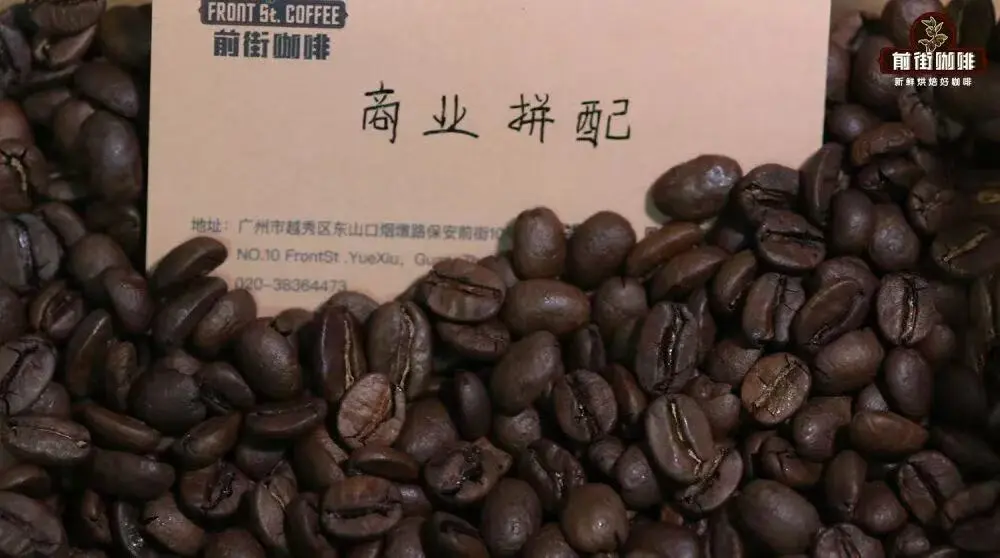
Robusta is often seen as the foundational player in commercial coffee. Its high yield and strong adaptability make it an indispensable element in espresso blends. Notably, one brand’s commercial blend and classic blend both incorporate 10% Robusta, aiming to enhance the beverage’s richness and velvety crema. This application is precisely where the value of Robusta shines—though not known for delicate flavors, it supports the overall drinking experience with stable intensity and structural body.

The market perception of Robusta often remains confined to the stereotypical image of being “flavorless” or “harsh.” In reality, specialty-grade Robusta, though niche, holds undeniable potential. However, within the flavor-driven specialty coffee market, its proportion is extremely low. Most consumers’ first encounter with Robusta actually comes through espresso blends or commercial coffee products. As such, many drinkers accustomed to the softer flavors of Arabica are curious about the pour over experience of pure Robusta—this is the very motivation behind this practical sharing.
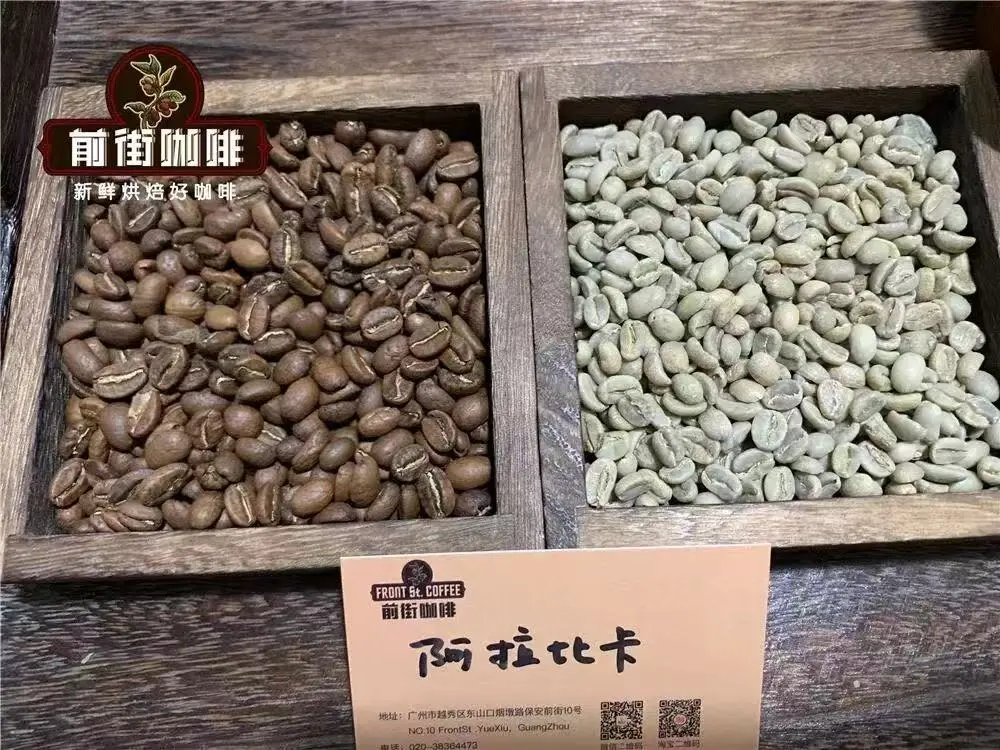
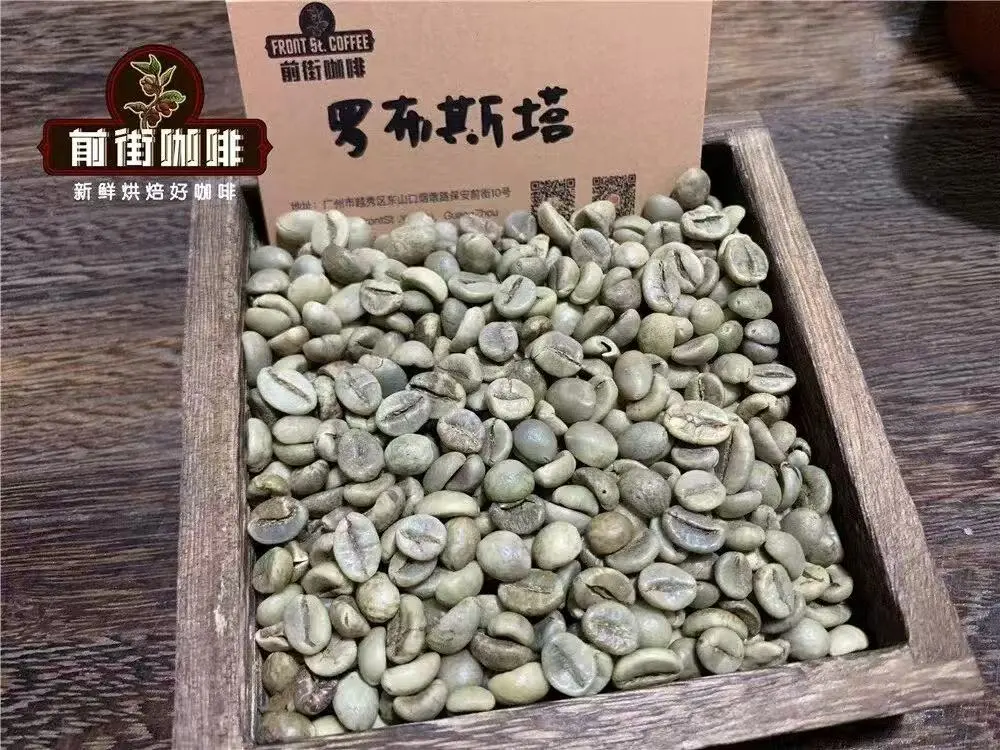
The Robusta beans used in this pour over experiment come from Vietnam, the world’s largest producer. Their visual characteristics are distinct: the beans are round and compact, slightly smaller than typical Arabica, with a nearly straight center cut that contrasts with the common curve seen in Arabica. Considering their dark roast nature, the extraction strategy was adjusted according to standard practices for dark roasted beans.
The specific parameters are set as follows: the coffee dose is precisely controlled at 15 grams; the coffee-to-water ratio is maintained at the golden 1:15 to balance concentration and mouthfeel; the grind size is sieved through a 20-mesh sieve to ensure a 70%–75% passing rate. This coarseness range effectively accommodates the density and release characteristics of dark roasted beans; the water temperature range is set between 86°C and 89°C to avoid over-extraction bitterness from high heat while preserving enough thermal energy to extract flavor compounds; the total extraction time is controlled around 2 minutes to ensure a full expression of flavor layers.
The actual brewing process is similar to a regular pour over routine: first, a bloom step is performed by pouring hot water equal to twice the coffee dose (about 30 ml) for 30 seconds to activate the coffee grounds; then, a second pour of 120 ml is executed with a slightly higher water flow rate in a wide circular motion to accelerate coffee liquor release; when the water level in the filter drops to the point where the bottom coffee grounds are just barely visible, the third pour begins—pouring 75 ml with a small stream in a tight circular motion to precisely control flow rate and ensure even saturation; finally, once the water in the filter has nearly fully drained, the filter is removed to conclude the brew.
Many first-time Robusta drinkers are often surprised by its actual flavor performance—it does not taste as monotonous or rough as rumored. During the wet aroma stage, warm notes of hazelnut and caramel can already be detected. Upon tasting, the flavors of chocolate, nuts, caramel, and barley tea present a clear and layered complexity. The overall mouthfeel is rich and full-bodied, forming a striking contrast with the light and bright character of Arabica. As the temperature lowers, the finish gradually reveals a unique hint of earthiness, adding depth to the overall flavor.
It’s important to note that the value of Robusta is never limited to its flavor profile. Its greatest strength lies in the exceptional cost-performance brought by its high yield and strong adaptability: compared to regular Arabica, Robusta not only produces much higher yields, but also requires lower environmental demands and demonstrates stronger disease resistance, significantly reducing cultivation costs, which is reflected in its market price. Currently, the unit price of Robusta is about two-thirds that of Arabica, making it the mainstream raw material for commercial products like instant coffee and canned coffee.
Additionally, Robusta contains a higher ratio of caffeine and chlorogenic acid, directly contributing to its more intense flavor and robust mouthfeel. For coffee enthusiasts in many regions, this bold and full-bodied characteristic is precisely what they seek. Therefore, in many professional espresso blend formulations, Robusta is commonly used as the base bean—for example, one brand’s commercial blend and classic blend both deliberately include 10% Robusta, aiming to enhance the Body thickness and rich crema of the beverage to meet consumers’ demand for a bold taste.
Through this practical sharing, we hope readers can rediscover the diverse facets of Robusta. If you’re interested in trying pure Robusta pour over, feel free to experiment with the parameters mentioned above. But please note: those sensitive to caffeine are advised to consume in moderation to avoid overstimulation.
The above content is compiled by CoffeeHunters, a coffee news website.


