







Introduction:When selecting coffee beans, roast level is one of the key factors influencing flavor expression. This article delves into the criteria for light, medium, and dark roasts and their impact on coffee flavor and the balance of acidity, sweetness, and bitterness. It also provides bean selection advice tailored to different brewing needs such as pour over and espresso, while analyzing the roasting logic behind the popular Hua Kui beans to help readers better understand how to choose coffee that suits their taste based on roast degree.
How dark should a coffee bean be roasted to be just right? This is a common question among many coffee enthusiasts. In fact, there is no one-size-fits-all standard for roast level — the key lies in what flavor profile the roaster aims to present and which characteristics they wish to highlight. We will start by discussing the impact of roasting on the body, density, and acid-sweet-bitter balance of coffee, then move on to the actual roasting time points for light, medium, and dark roasts. Combining this with different brewing methods like pour over and espresso, as well as representative coffee varieties such as Mandheling and Geisha, we’ll explore how to develop roasting strategies based on target flavors, including an explanation of the medium roast application for the best-selling Hua Kui beans.
Many people think roasting is just about heating beans, but in reality, there are many details and judgments involved. Simply put, roasting is like cooking — the final flavor of the product largely depends on the taste experience you want to deliver. For coffee, "what kind of beverage you want to make with these beans" is the starting point for deciding roast level. Once the goal is set — for example, emphasizing bright fruity acidity or rich caramelized notes — you can adjust the roasting curve accordingly to find the most suitable roast degree.
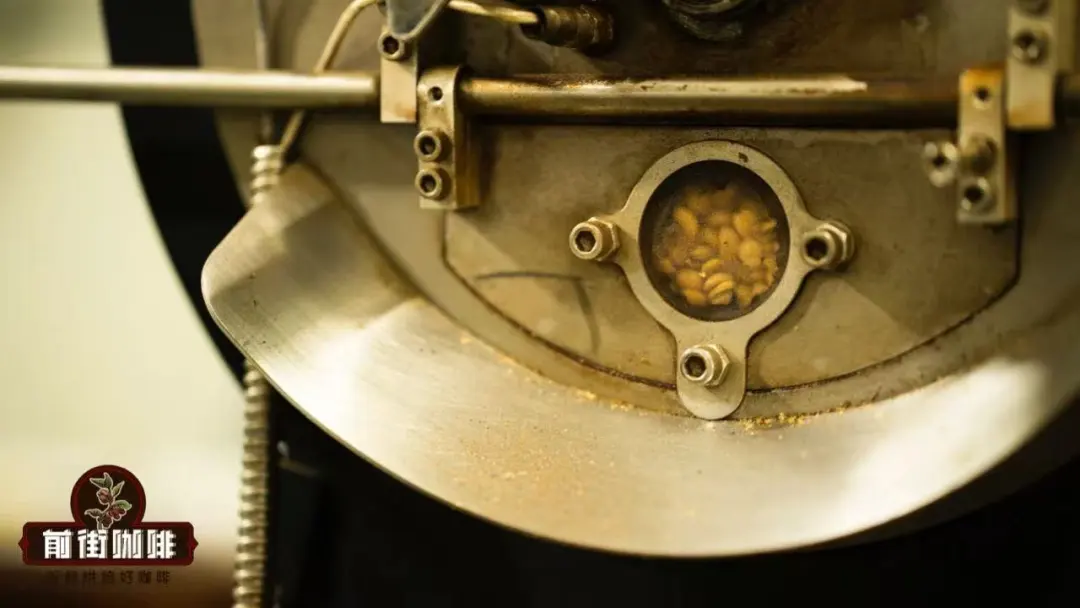
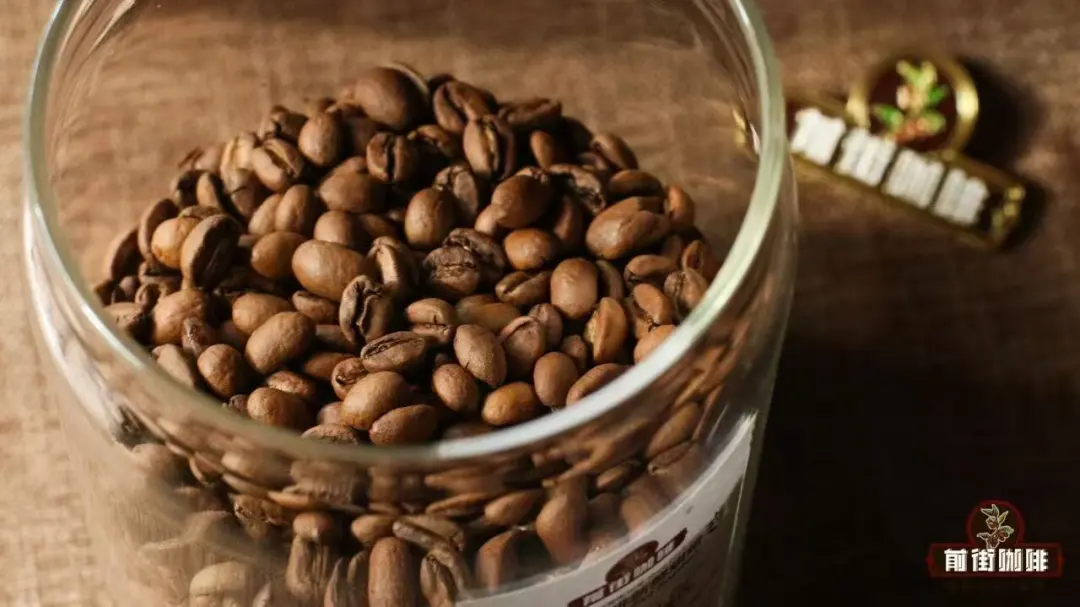
So what exactly counts as light roast, medium roast, or dark roast? These terms may sound intuitive, but in practice, there is no globally unified absolute standard. Generally speaking,Light Roastis usually dropped from the roaster shortly after the first crack (the first popping sound). At this stage, the beans have vivid acidity, with organic acids not yet largely broken down, so the flavor often features prominent fruitiness and floral notes, while bitterness is relatively low, resulting in a refreshing mouthfeel.Medium Roastis typically completed between the end of the first crack and the beginning of the second crack (the second popping sound). At this point, acidity, sweetness, and bitterness are more balanced. Maillard reactions and caramelization lend the beans complex aromas like caramel and nuts, enhancing sweetness and making it suitable for most brewing methods.Dark Roastis carried out after the second crack. The beans will exhibit intense chocolate, nutty, and charred flavors, with acidity almost disappearing. The mouthfeel is full-bodied and the aftertaste long, but over-roasting may mask the bean’s original regional characteristics.
It’s worth mentioning that commercial roast color values such as Agtron can provide reference, but are not the only standard. Due to differences in coffee bean variety, processing method, and bean surface condition, even beans with similar color values may deliver vastly different flavors. For example, we once launched an anaerobic natural processed Xi Zha coffee bean with an Agtron value of 59, seemingly within the dark roast range. However, because the processing preserved abundant sugars, the actual flavor showcased bright acid-sweet notes like grapes, passion fruit, apricot, and floral tones. Judging solely by color value could easily lead to misinterpreting it as a bitter dark roast bean.
So how should we decide the roast degree based on our needs? First, consider the brewing purpose of the coffee. If the focus is on espresso or milk-based coffee drinks like lattes and cappuccinos, medium to dark roast is usually the first choice. Because dark roast can bring out more caramel and nutty aromas, with lower acidity that doesn’t clash with the sweetness of milk but instead complements it. For instance, the Hua Kui coffee has a medium roast version specifically designed for espresso, delivering a rich and balanced taste suitable for milk-based coffee.
If you prefer brewing methods like pour over or cold brew that highlight delicate flavors, it is recommended to choose light to medium roast beans to preserve more of the original flavors and bright acidity. For example, Indonesia’s Golden Mandheling — many expect its bold herbal aroma and deep woody notes, characteristics that often require dark roasting to fully emerge. Therefore, this bean is deeply roasted to fully release its classic flavors.
As for varieties like Panamanian Geisha, renowned for their floral and fruity aromas, the roast depth must be carefully controlled. Over-roasting can easily overpower the delicate floral and citrus notes with roasted flavors. Therefore, the Geisha series is mostly medium-light roasted to preserve its signature jasmine, lemon, and peach-like fresh flavors, ideal for pour over enthusiasts to slowly savor the layers of complexity.
Additionally, when determining roast degree, it’s necessary to comprehensively consider variables such as the bean’s origin characteristics, processing method, moisture content, and bean shape and size. For example, high-altitude-grown coffee beans are usually denser and have higher moisture content. During roasting, it’s essential to pay closer attention to the rate of temperature rise and the timing of the first crack to avoid over-roasting or underdevelopment. Thus, for roasters, each roasting session is not just a display of technique but also an understanding of the bean’s characteristics and mastery of its flavor direction.
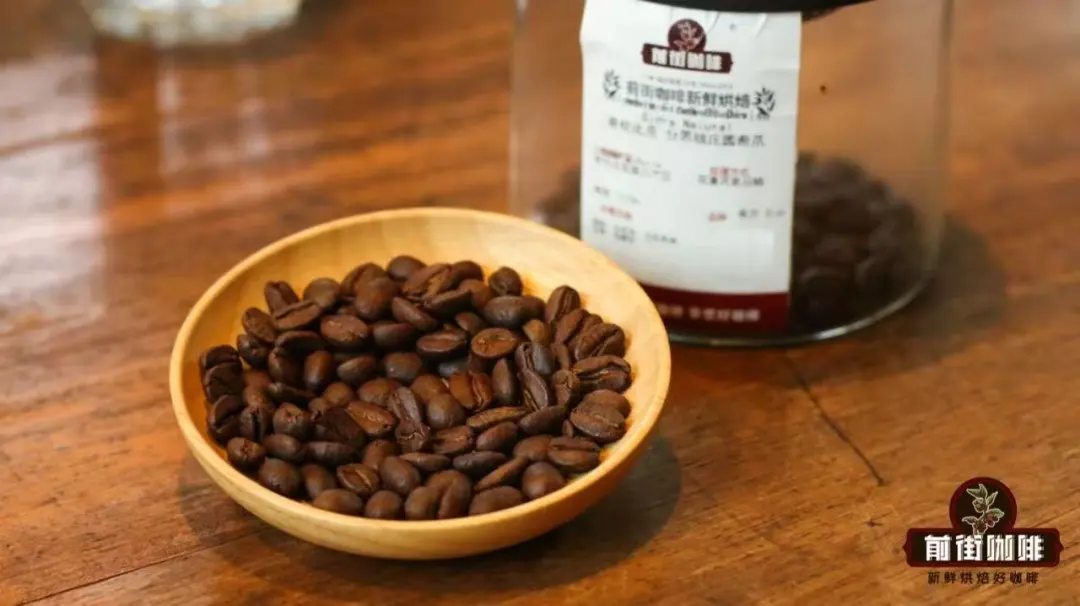
In summary, there is no absolute answer to choosing the roast level of coffee beans. It involves a comprehensive evaluation based on the flavors you want to enjoy, the brewing method you use, and the conditions of the beans themselves. Whether you’re a beginner just stepping into the world of coffee or an experienced brewer, understanding how roasting affects flavor can help you more accurately select coffee beans that suit your taste and enjoy a richer coffee experience.
The above content is compiled by CoffeeHunters, a coffee news website.


