







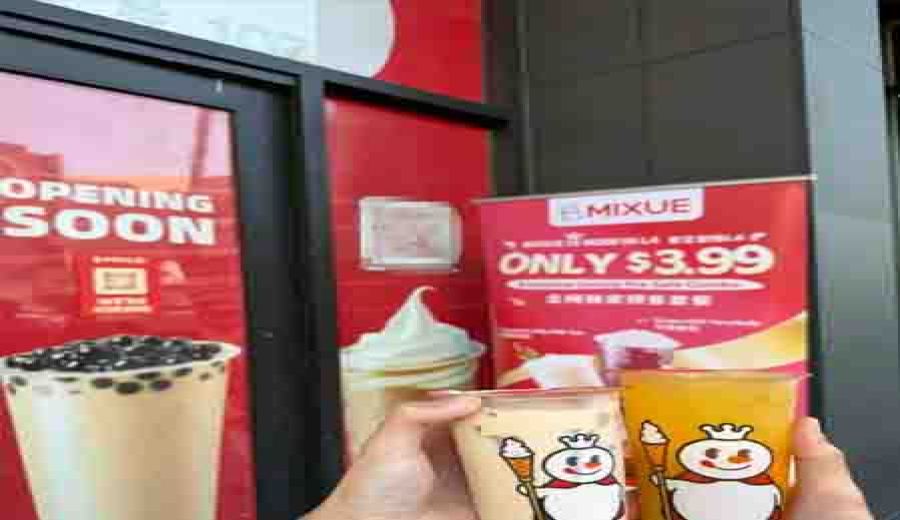
Introduction:Mixue Ice Cream & Tea is set to open its first North American store on the Hollywood Walk of Fame in Los Angeles. The food delivery platform has already launched a limited-time pre-sale combo, allowing each person to enjoy two drinks and an ice cream for just $3.99. However, what has attracted the most attention is not the price, but the ultra-high sweetness options available on its ordering system — including sugar levels of 120%, 150%, and even 200%. What market strategy lies behind these sweetness settings? And what implications does this hold for readers in Taiwan and Hong Kong? This article takes an in-depth look.
In recent years, the Chinese budget-friendly tea drink brand Mixue Ice Cream & Tea has been actively expanding into overseas markets, and now its footprint has reached the United States. It is reported that the Mixue store located on the Hollywood Walk of Fame in Los Angeles is about to officially open, with many local residents already sharing updates on the store’s construction progress and pre-sale information on social media platforms.
To attract customers, the store has listed a pre-sale combo on a food delivery platform, priced at $3.99 (approximately NT$1,200), which includes two tea drinks and one ice cream. For new users, the price can be as low as $1.17, making it quite a bargain. Many international students who tried the drinks early said the store’s interior design is almost identical to those in China, and the taste of the drinks remains true to the original flavor.
However, what really sparked discussion is the sweetness options customers see on the ordering page. In addition to the commonly seen “regular sugar” and “70% sugar,” the system actually offers choices like “120% sugar,” “150% sugar,” and even “200% sugar,” leaving many netizens astonished.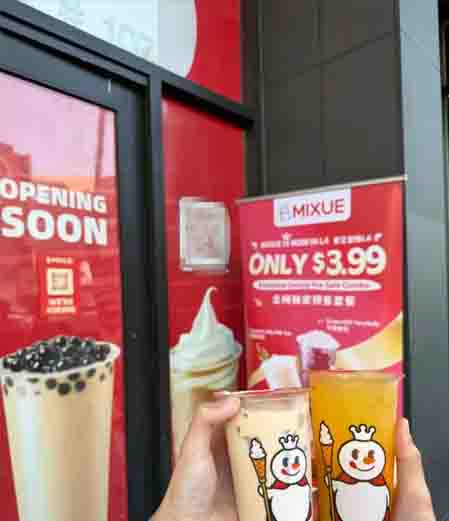
Many netizens from Taiwan or mainland China said that Mixue’s drinks are already quite sweet, and many people are used to ordering “30% sugar” or “no sugar.” The idea of “200% sugar” sounds almost unimaginable. Some expressed concerns like “Will the sugar even dissolve?” or “Won’t it be too sweet and crystallize?” Reactions were highly polarized.
However, netizens living in the U.S. hold a different view. They believe that Mixue’s introduction of such high sweetness options is actually a localization adjustment based on American dietary culture. Compared to Asian consumers, who have in recent years placed increasing emphasis on health and low-sugar diets, American consumers generally prefer sweeter foods. From milk tea to snacks, sugar content tends to be relatively high, so “200% sugar” may be just “just right” for the U.S. market.
In addition, some analyses suggest that Mixue’s “200% sugar” may not be as extremely sweet as understood by consumers in Taiwan or mainland China. For American customers, it might only equate to the sweetness level of a regular “70% sugar.” Therefore, the brand may be aiming to meet the taste preferences of different demographic groups by offering a variety of sweetness options, thereby further increasing local market acceptance.
Notably, whether Mixue will introduce even higher sweetness options in the future — such as “500% sugar” or “1000% sugar” — based on actual feedback from American customers, has also become a hot topic among netizens. Regardless of how the sweetness levels are adjusted, the key to the brand’s long-term success in the North American market will be maintaining its competitive pricing while ensuring drink quality and consumer health.
In summary, Mixue Ice Cream & Tea’s first Hollywood store not only captures attention with its affordable pricing, but its sweetness options have also become an important indicator of the brand’s localization strategy. For coffee and tea professionals in Taiwan and Hong Kong, this case can also provide inspiration and reference for cross-cultural market adjustments.
The above content is compiled by CoffeeHunters, a coffee news website.


