







Introduction:Want to tell if coffee beans are light roast or dark roast? Besides looking at the roaster’s label, you can actually determine roast level easily by evaluating flavor, appearance, and brewing parameters. This article will teach you how to classify roast degree based on the intensity of acidity, sweetness, and bitterness, and combine common pour over flavor descriptions to estimate which roast stage the beans belong to. We’ll also provide recommended water temperature, grind size, and brew ratio, so you can adjust extraction according to roast level and avoid under-extraction or over-extraction.
Among the many types of coffee beans, spotting whether it’s a light or dark roast at a glance does require some skill. Many people may rely on the text on the packaging, but what if there’s no clear indication? In fact, besides referring to industry-standard Agtron color values, we recommend starting with actual flavor performance—by assessing the strength of acidity, sweetness, and bitterness, you can quickly gauge roast depth, which helps you choose beans that suit your taste.
Agtron Color Value System: Professional but Not User-Friendly
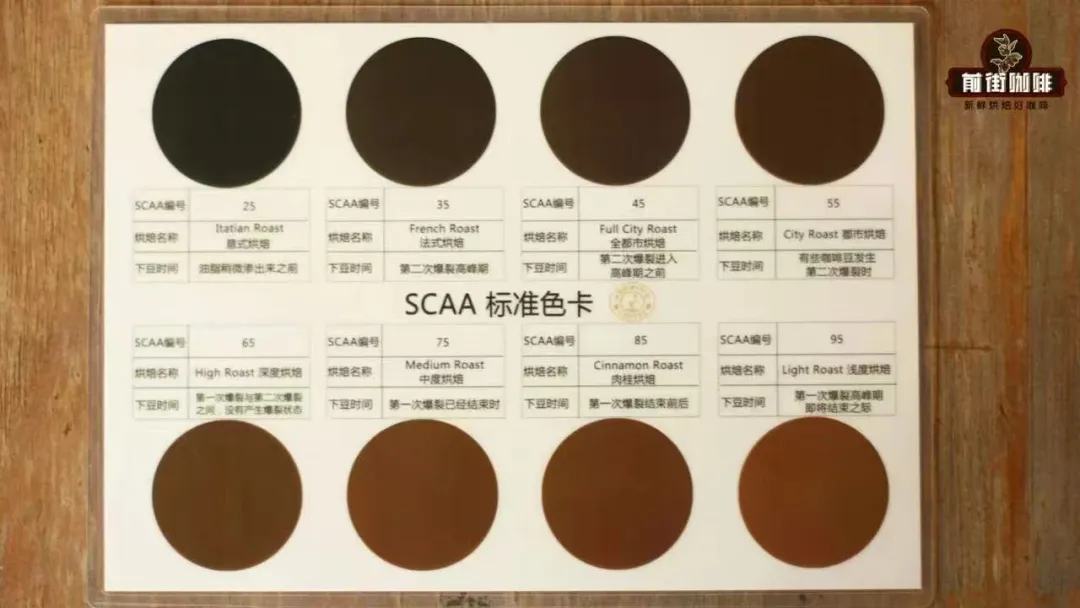
The industry commonly uses Agtron color values (caramelization analysis values) to assess roast degree. The principle is converting the darkness or lightness of coffee bean color into specific numerical values. The higher the number, the lighter the roast; the lower the number, the darker the roast. For example, the SCAA’s Agtron color chart divides roast levels into eight grades. However, in reality, most consumers rarely use such professional terms as “cinnamon roast” or “city roast” when selecting or brewing coffee. This is because the human eye has difficulty accurately identifying color ranges, and today’s coffee roasting trends are not as dark as they used to be—many consumers have never even encountered the deepest roast levels.
Moreover, these professional terms can be not only confusing for beginners, but also misleading. For instance, hearing “French roast” or “Italian roast” might give no real sense of the actual flavor. Therefore, we recommend judging roast degree based on the flavors you actually taste—it’s more intuitive and practical.
Using Flavor to Determine Roast Degree: Acidity, Sweetness, and Bitterness Are Key
Some industry insiders suggest classifying roast degree roughly based on the intensity of acidity, sweetness, and bitterness in coffee. Typically, beans dominated by acidity are often medium-light to light roasts, while those with dominant bitterness or intense roasted aromas are usually medium-dark or dark roasts.
For example, if a bean’s flavor description includes bright, acidic fruit notes like “lemon,” “citrus,” or “berries,” it’s usually a medium-light roast, or even leaning toward light—such as certain washed Ethiopian beans. If the flavor leans toward sweet fruits like “grape,” “melon,” or “blueberry,” it might be a medium-light roast with balanced acidity and sweetness, suitable for those who enjoy fruity notes without too much acidity.
Flavor Characteristics of Medium-Dark and Dark Roasts
Moving to medium-dark roasts, if the flavor features distinct sweetness such as “cane sugar,” “maple syrup,” “butter,” or “chocolate,” it’s usually a medium-level medium-dark roast—like some beans from Papua New Guinea or Yunnan. If the flavor includes rich, roasted notes such as “roasted nuts,” “caramel,” or “dark chocolate,” then the bean is likely a darker medium-dark roast, like Brazil Queen Estate or Sumatra Golden Mandheling. These beans are typically preferred by those who enjoy bold, full-bodied flavors.
After understanding roast degree, the next step is adjusting brewing parameters to fully highlight the characteristics of that roast level.
Recommended Brewing Parameters for Different Roast Levels
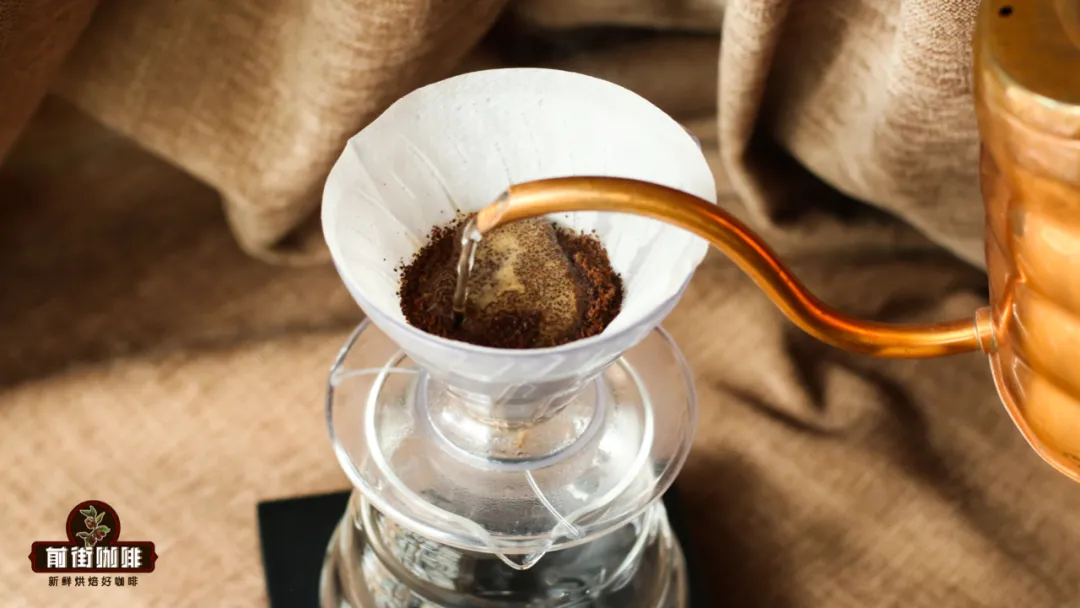
Generally speaking,for medium-light roast coffee beans, it’s recommended to use water at 90–93°C, paired with a grind size of 20-mesh sieve with 75%–80% passing rate, and a brew ratio of about 1:15, with a brewing time controlled at around 2 minutes (for 15 grams of coffee). If the roast is lighter, you can moderately increase the water temperature or use a slightly finer grind to aid flavor release.
As formedium-dark roasts,it’s recommended to use water at 86–89°C, and you may slightly coarsen the grind to avoid over-extraction and bitterness. Other factors like brew ratio and brewing time can remain similar, but may need slight adjustments based on actual conditions.
Preliminary Judgment Based on Appearance
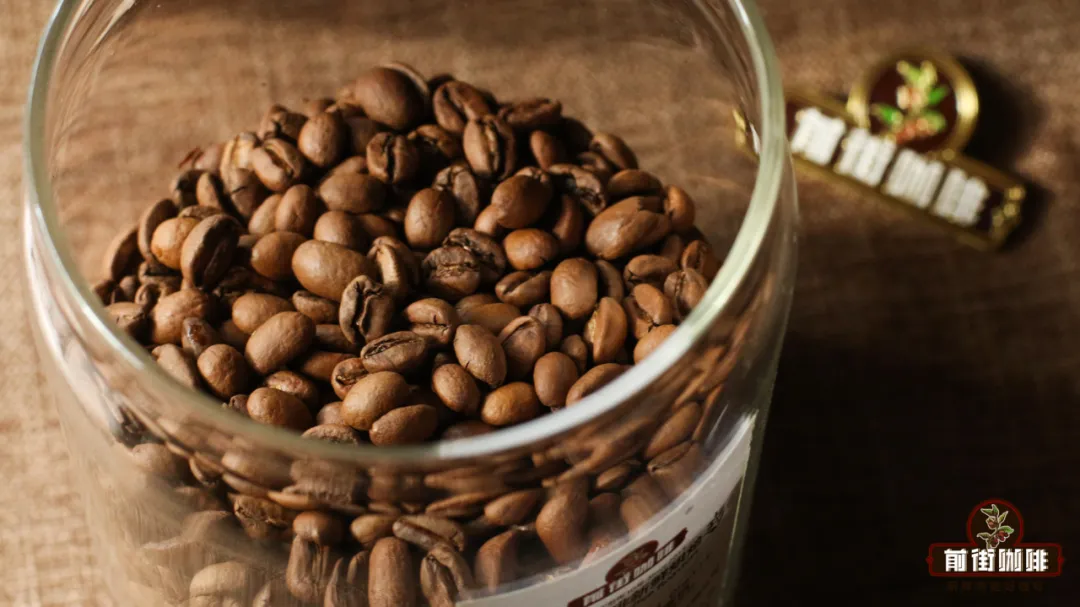
Besides flavor, observing the appearance of coffee beans is also a quick way to identify roast level. Generally, beans that are dark in color or have obvious oil on the surface are often medium-dark or dark roasts; whereas beans that are lighter in color and dry with no oil sheen are usually medium-light roasts. However, this method is only for preliminary judgment, and exceptions do occur.
For instance, some beans may look dark-roasted but actually have sweet, fruity flavors, placing them in the medium-light to medium range—like the famous estate’s Big Belly Bean. Mistaking it for a dark roast and using too low a brewing temperature or too coarse a grind could lead to under-extraction, resulting in a flat-tasting cup.

In summary, to determine coffee bean roast level, you can combine flavor descriptions, appearance color, and oil presence for a comprehensive assessment, then adjust brewing parameters accordingly. Whether you’re a pour over newbie or a seasoned coffee enthusiast, mastering these skills will help you better enjoy the unique flavors of each coffee.
The above content is compiled by CoffeeHunters, a coffee news website.


