







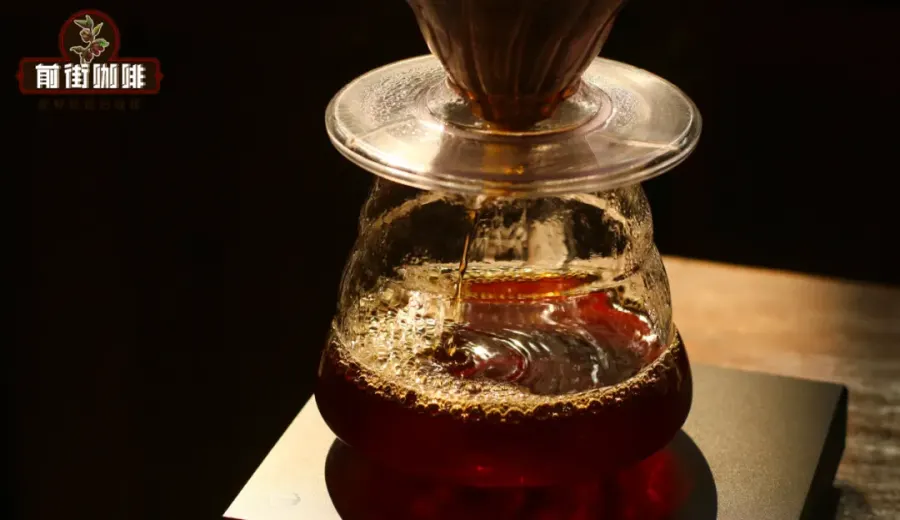
Introduction:The cleanliness of coffee is not just about a clear appearance—it refers to the absence of off-flavors and a well-balanced, clear flavor profile when drinking. This article delves into how factors from green bean processing, roasting, to pour over extraction influence the purity of a cup of coffee, and analyzes the sources of defects and off-flavors. It also provides practical extraction parameter suggestions to help you enhance your pour over flavor performance.
In the field of coffee evaluation, "cleanliness" does not refer to whether the coffee looks clear or if the flavors are simple. Instead, it emphasizes the absence of unpleasant off-flavors upon tasting, with each flavor note being distinct and non-interfering. Though this may seem like a simple concept, it actually encompasses every step from cultivation, processing, roasting, to the final extraction—each requiring precise control.
So-called "clean" means that after drinking the coffee, one does not perceive any unpleasant impurities, while also clearly identifying positive flavor characteristics such as fruity or floral notes, all of which maintain a good sense of balance. This characteristic places extremely high demands on the entire process from farm to cup.
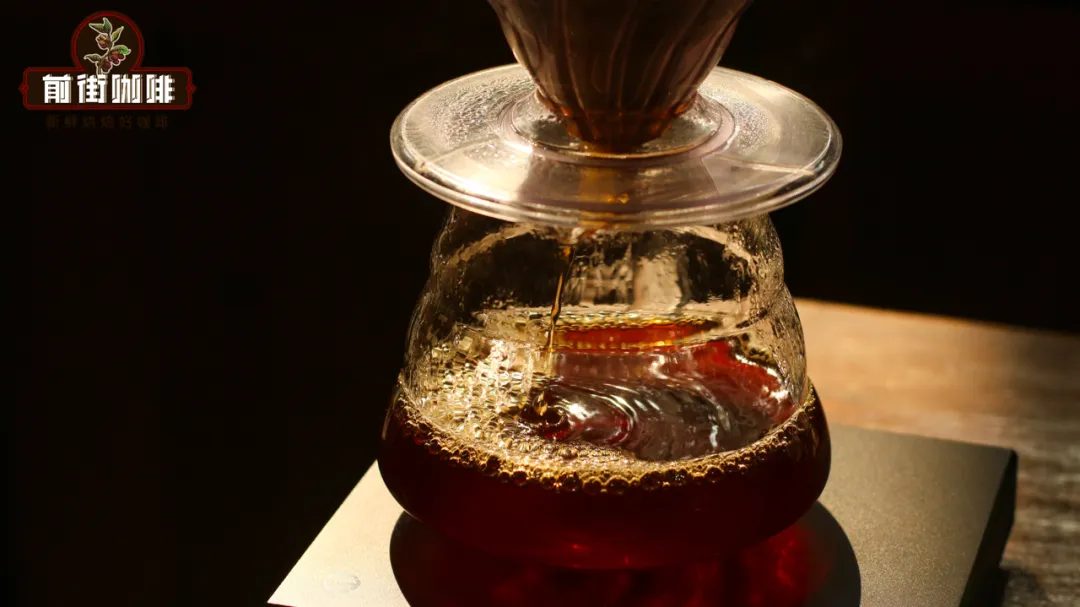
Even though it may not sound demanding, achieving truly high cleanliness requires precision at every step of the supply chain. From selecting ripe coffee cherries, using appropriate processing methods, maintaining a stable roasting curve, to executing precise extraction techniques, every detail directly affects the final flavor purity.
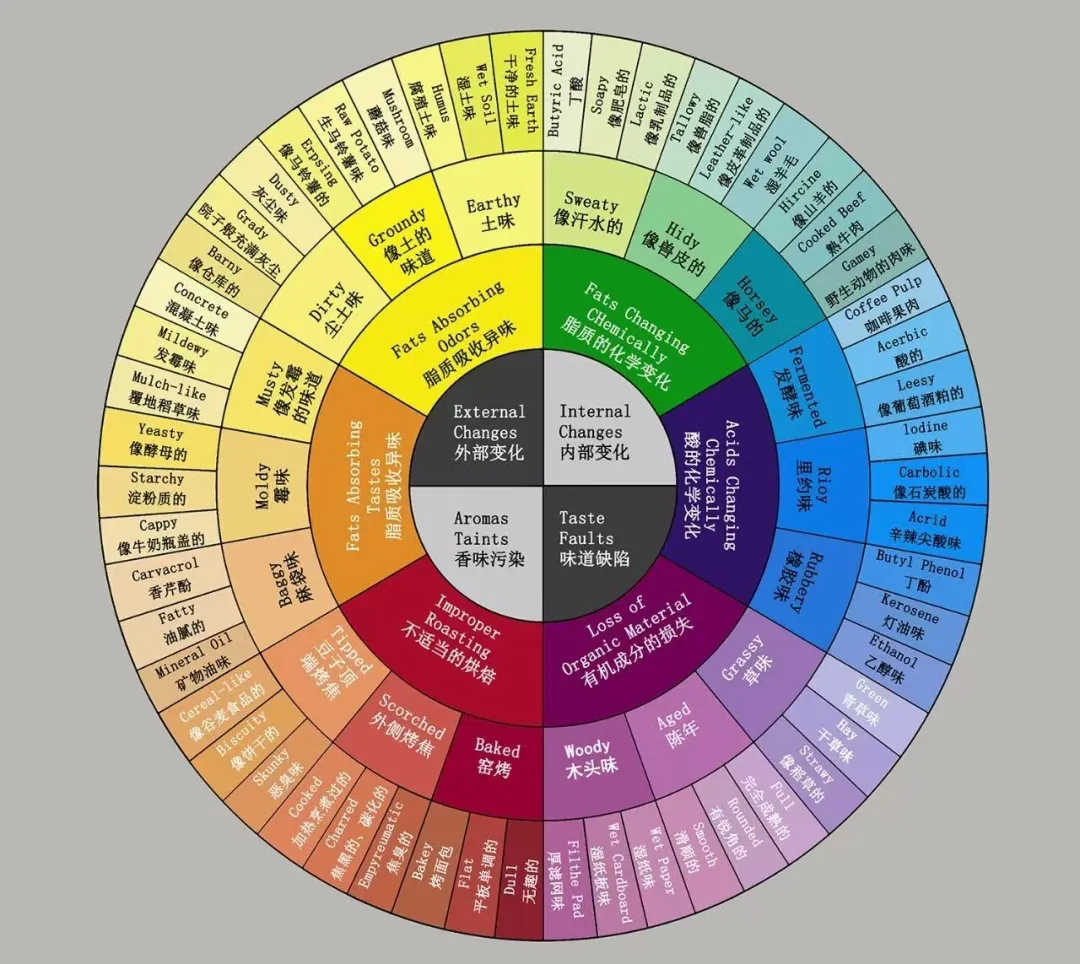
Looking back to the early days when specialty coffee was not yet widespread, many coffees from various origins, due to rough processing techniques, often carried noticeable off-flavors. These issues were categorized in the older SCAA Flavor Wheel under the "Negative Flavor Wheel," which includes defect flavors widely recognized in the industry as causing poor drinking experiences.

The negative flavors listed on the Negative Flavor Wheel, such as grassy, chemical, moldy, woody, or putrid notes, are all unwanted by consumers. These defects can stem from multiple stages: unripe cherries mixed in during harvest can bring grassy or straw-like flavors; poor hygiene during processing may result in over-fermentation or mold; meanwhile, excessively high roasting temperatures can scorch the beans, leading to smoky off-notes, whereas under-roasting often results in hay-like or cardboard flavors.
Beyond these typical defect flavors, "off-notes" are also common factors affecting cleanliness. Off-notes aren’t necessarily negative, but if they clash with the main flavor profile, they can blur the overall impression. For example, if a coffee highlighting berry and citrus flavors is mixed with overly strong nutty, chocolatey, or toasted bread notes, the overall flavor becomes chaotic, lacking layering and focus—which also reflects poor cleanliness.
With the rise of the specialty coffee trend, there has been significant progress in overall quality control from origin to consumer. Most producing regions now implement 100% red cherry harvesting, and processing techniques have become increasingly refined, greatly reducing the likelihood of undesirable flavors.
For consumers, simply choosing a reputable roaster usually ensures you won’t get low-quality coffee beans. At this point, the key factor influencing the final flavor performance often lies in the details of your own brewing.
Among the factors affecting cleanliness, the extraction method plays a crucial role. Common issues such as too-high water temperature, overly fine grind size, too-long steeping time, or excessive agitation during pouring can easily lead to over-extraction, releasing excessive bitterness and woody substances, making the coffee taste heavy and muddled.
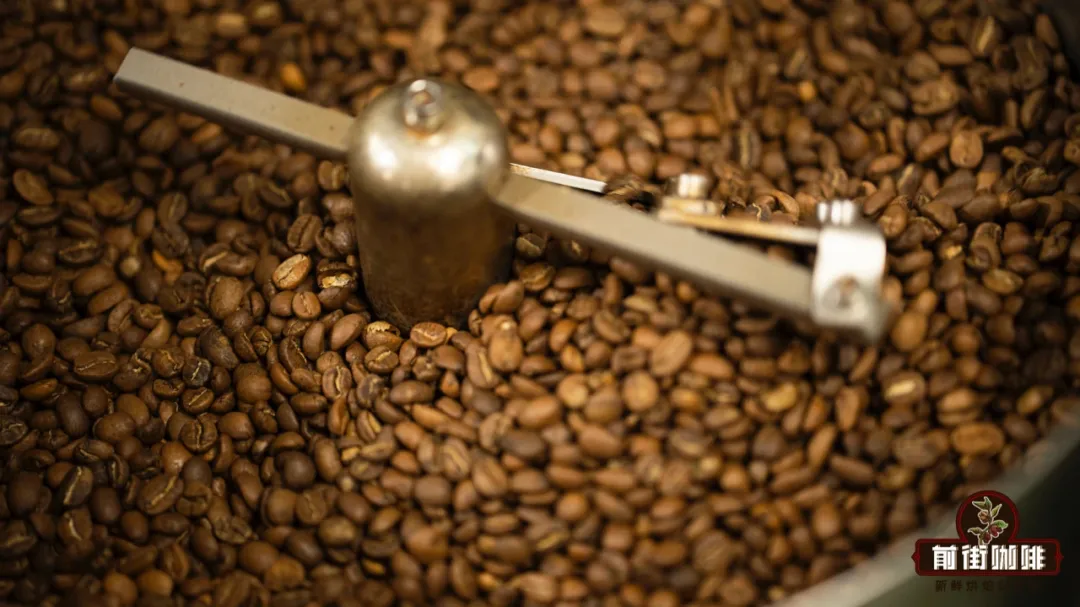
In addition, the cleanliness of the extraction environment is extremely important. If brewing equipment is not properly cleaned, it may retain oily residue or old coffee grounds; if the filter paper is of poor quality and carries a noticeable pulp flavor, it can also interfere with the coffee’s pure expression. Even freshly roasted coffee beans, if not given proper rest time, may exhibit what’s called a "dry" or harsh sensation, affecting the clarity of the overall flavor.
Therefore, to brew a high-cleanliness pour over coffee, it’s not only important to master suitable extraction parameters, but also to pay attention to every detail in the operation process.
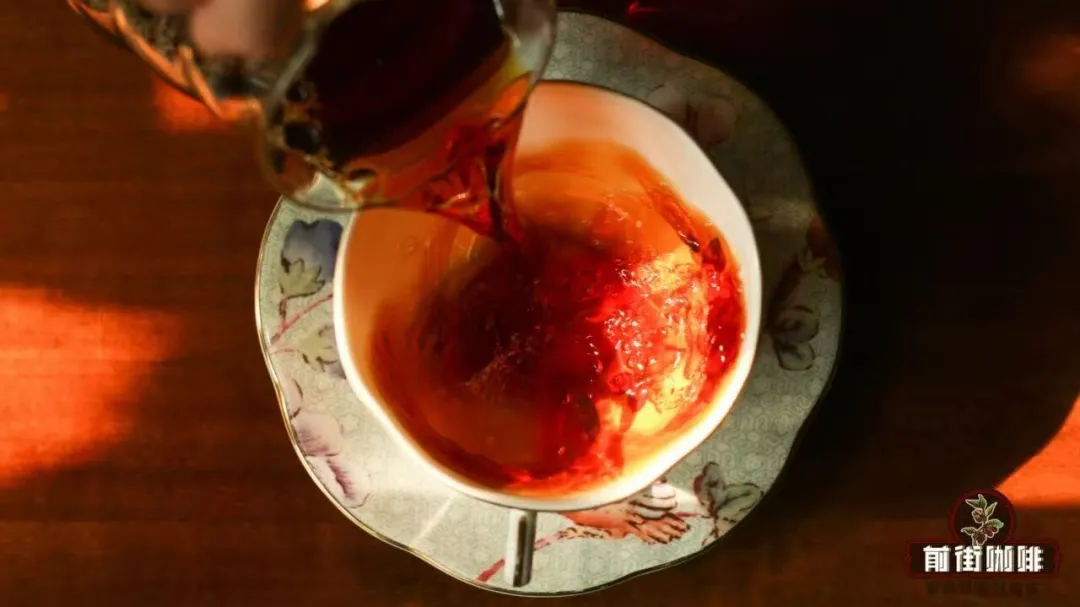
Generally speaking, if you choose high-quality coffee beans and use reasonable extraction settings, you can usually achieve a good level of cleanliness. It is recommended to try a water temperature of around 92°C, a coffee-to-water ratio of 1:16, an extraction time controlled between 2 minutes and 2 minutes 20 seconds, and a grind size adjusted to about 75%–80% passing through a #20 sieve. These parameters are suitable for most high-quality washed or natural processed coffee beans from Central America and Africa, helping to highlight clear fruit acidity and floral notes, while maintaining a pure and smooth flavor profile.
In actual tasting, high-cleanliness coffee usually exhibits distinct citrus, berry, floral, or tropical fruit characteristics, with a silky-smooth mouthfeel, a clean and lingering aftertaste, free from impurities or heaviness, providing drinkers with a vivid and enjoyable taste experience.
The above content is compiled by CoffeeHunters, a coffee news website.


