







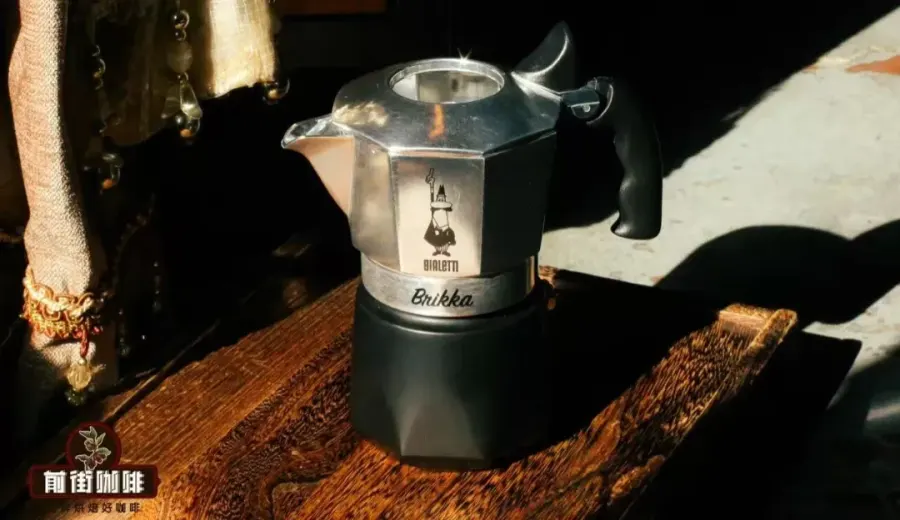
Introduction:The moka pot is the go-to choice for many coffee enthusiasts just starting out, but when faced with options like single-valve, double-valve, or even triple-valve designs, many find themselves puzzled. This article delves into the structural differences between single-valve and double-valve moka pots, explores how the pressure valve affects extraction pressure and coffee strength, and provides practical buying advice based on whether you’re making milk-based coffee, helping you find the moka pot type that best suits your needs.
When making coffee at home, the moka pot stands out as the preferred tool for many due to its affordable price, simple operation, and portability. However, when choosing a moka pot, the common single-valve and double-valve designs often leave beginners hesitant, and even the triple-valve version can add to the confusion. This article will start with structural differences, provide a detailed analysis of the core distinctions between single-valve and double-valve models, explore how the pressure valve impacts extraction pressure and coffee flavor, and finally offer clear purchasing guidance based on whether you plan to make milk-based coffee.
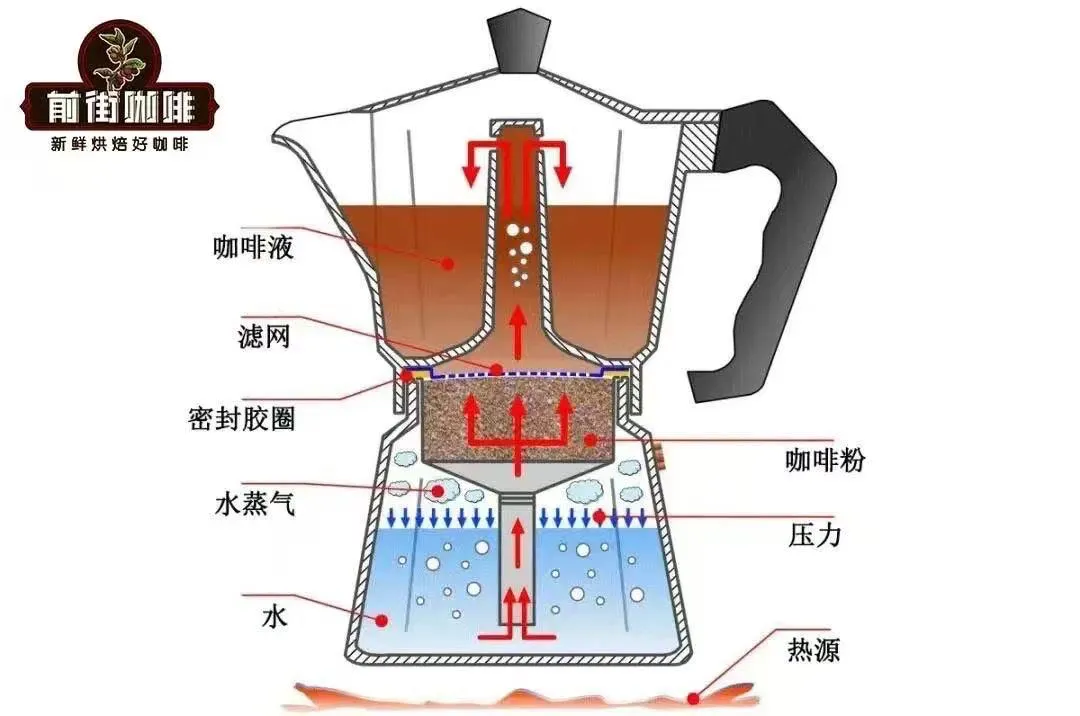
Single-valve and double-valve moka pots may not look noticeably different in appearance—both consist of a water chamber, coffee chamber, and upper chamber. During extraction, heating the water in the lower chamber generates steam, gradually increasing the pressure and pushing the hot water through the coffee grounds, eventually dissolving the coffee flavor compounds to form a rich coffee liquid. However, the double-valve moka pot has one key design element—a pressure valve—that sets it apart from the single-valve model.
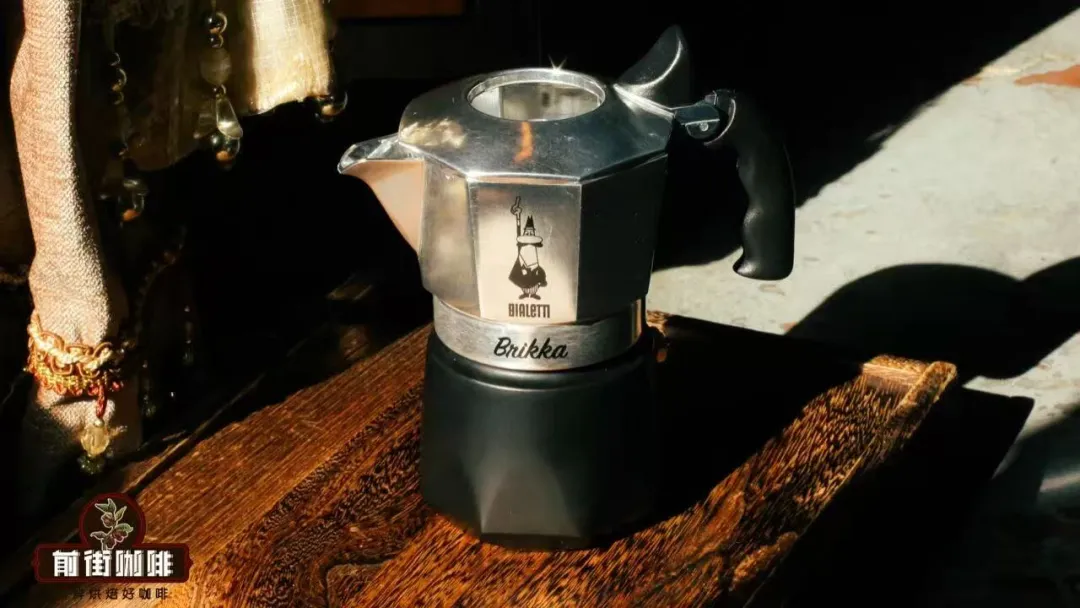
Many people often ask when purchasing: “Which is better, single-valve or double-valve?” In fact, both can produce flavorful coffee, but their extraction effects differ. The double-valve moka pot, with its additional pressure valve, can generate higher pressure during extraction, typically resulting in a stronger coffee flavor. But this also means it’s more prone to extracting bitterness, impurities, or astringency, and if parameters are not well controlled, it can affect the overall flavor profile.
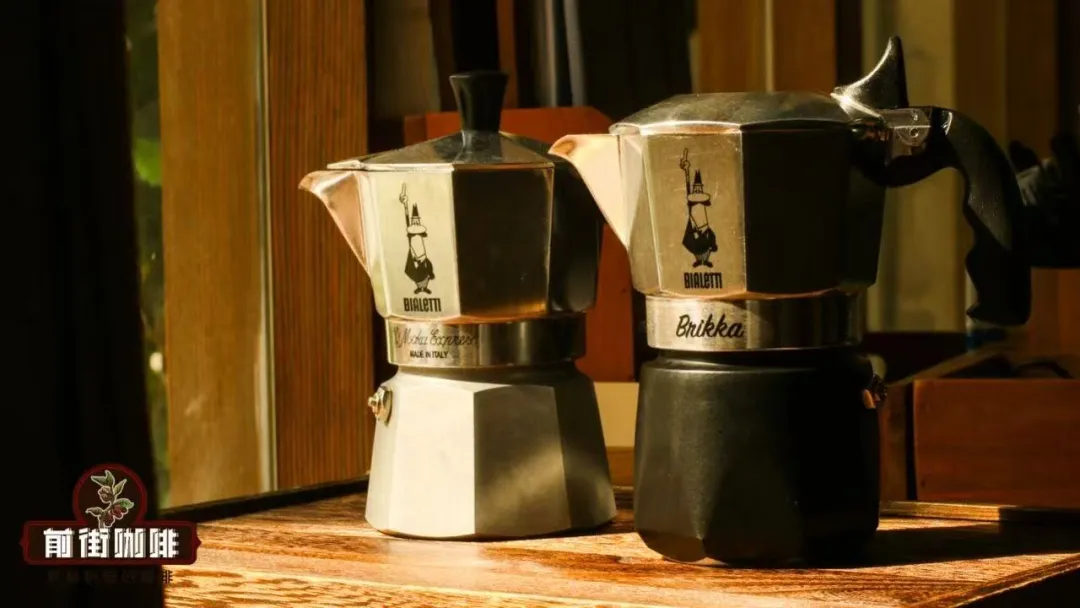
When searching for information on single-valve and double-valve moka pots, common discussions include whether the double-valve is more likely to brew bitter coffee or whether the single-valve has a weaker concentration. Most of these observations are correct: under the same grind size and coffee-to-water ratio, the double-valve does produce a richer coffee due to the pressurization effect, but it also increases the risk of over-extraction. If you want to avoid bitterness and astringency, you can choose coffee beans with a balanced flavor profile, such as blends combining beans from Colombia, Ethiopia, and Costa Rica, which offer floral, dried fruit, and nutty notes, and are suitable for both moka pots and home espresso machines.
For users who prefer creamy and nutty aromas, medium-dark roasted Brazilian Yellow Bourbon beans are also a good choice. When brewed with a moka pot, they exhibit prominent roasted toast, caramel, and cookie flavors. It’s worth noting that although the double-valve moka pot is more prone to over-extraction, as long as you master the right parameters and techniques, you can still produce a balanced and flavor-rich cup of coffee.
So, which should you choose—the single-valve or double-valve moka pot? If you mainly drink black coffee and have a limited budget, the single-valve moka pot is a cost-effective option due to its smaller size and more affordable price. But if you want to make strong milk-based coffee or are aiming for a more intense black coffee, the double-valve moka pot better meets those needs. Its pressurized design increases extraction pressure, resulting in a richer coffee base, which in turn makes the milk coffee taste creamier and more full-bodied.
In summary, if you plan to enjoy not only black coffee but also various milk-based coffees or specialty drinks, the double-valve moka pot is the more versatile choice; if you focus solely on pure black coffee and prefer a more compact and affordable tool, the single-valve moka pot can also deliver a satisfying extraction experience. Regardless of which you choose, mastering the right grind size, coffee-to-water ratio, and heating time is key to brewing delicious coffee.
The above content is compiled by CoffeeHunters, a coffee news website.


