







Introduction:A five-year paperclip loyalty campaign run by a tea drink brand in Guangdong was forced to switch to an online model due to widespread counterfeiting. This article details the full story, analyzes the flaws in physical loyalty point collection, and provides improvement strategies for both businesses and consumers to help avoid similar risks.
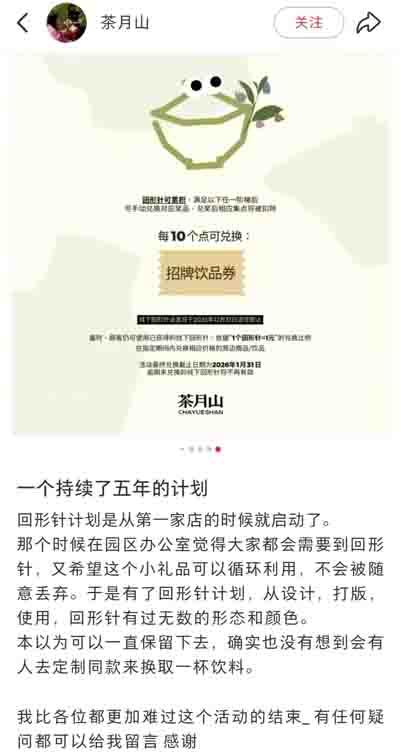
The Guangdong-based tea chain brand "Cha Yue Shan" recently announced the end of its five-year paperclip loyalty program. What was originally a creative customer reward initiative had to pivot to an online points system after discovering that a large number of counterfeit paperclips were being used to redeem drinks.
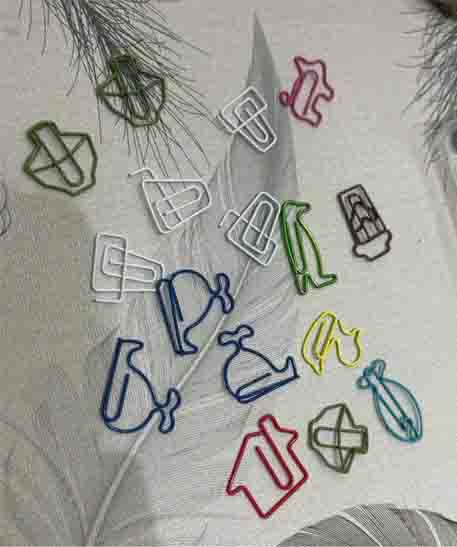
Initially launched with the “Paperclip Campaign,” customers would receive one paperclip for every drink purchased. These paperclips could be used not only in daily life but also redeemed for freshly made tea beverages at a rate of “1 paperclip = 1 RMB.” To add fun, the brand also released special-shaped paperclips such as little yellow ducks, milk tea cups, and teapots, which became popular among many consumers.
However, recently the brand discovered that some of the returned paperclips for redemption were actually counterfeit versions purchased online. Image comparisons showed clear differences in size between genuine and fake items—for example, a white milk tea cup–shaped paperclip was slightly smaller in the authentic version but a bit larger in the counterfeit, though the appearance was extremely similar. On e-commerce platforms, similar-looking milk tea cup paperclips were sold at low prices—one could buy around 40 of them for the cost of a single cup of milk tea. If “someone with ill intent” used these fakes to redeem, they could get two freshly made drinks for the price of just one.
The brand admitted that they hadn’t noticed anything unusual with the paperclips in the past, and store staff had no way to verify their authenticity when customers turned them in—resulting in counterfeit paperclips entering circulation and even being handed out to other customers. This led to inconsistencies in the sizes of paperclips held by customers. The brand stated they “really didn’t expect people would go so far as to custom-make identical ones just to exchange for a drink,” and ultimately, given the difficulty of distinguishing real from fake customers, they had no choice but to end the physical points campaign.
The business stated that the campaign will transition to an online points system, and customers who had already collected paperclips can still redeem drinks at stores with their accumulated points before the campaign deadline.
The news was met with disappointment from many loyal customers, who felt the paperclip campaign was not only practical but also added enjoyment to their shopping experience. “It’s kind of sad that it’s not being issued anymore,” some said. Others expressed frustration with the counterfeit behavior, commenting, “Cheating by paying for fake ones—that’s not really just ‘hacking the system’ anymore,” “Do they really need that one extra drink that badly?” or “I even asked my friends and family to help me collect paperclips—how are there people this dedicated?”
Some users offered a rational analysis, pointing out that while physical giveaways can strengthen brand recognition, the points system itself has design flaws. As long as there is profit potential, counterfeits are hard to avoid. They suggested brands could keep distinctive small giveaways but combine them with online tools like mini-programs for managing points, refining redemption rules and verification mechanisms to reduce the risk of exploitation.
This case serves as a reminder to businesses that while physical rewards programs can boost customer loyalty, the costs and challenges of anti-counterfeiting and management must also be evaluated. For consumers, understanding the importance of fair play and the rules of the campaign is essential to maintaining a healthy consumption environment together.
The above content is compiled by CoffeeHunters, a coffee news website.


