







Introduction:Blooming is the first step in pour over coffee brewing and a key factor that influences the overall flavor profile. Proper blooming time and precise pouring techniques can effectively release carbon dioxide and help hot water evenly extract the flavor compounds from the coffee. This article delves into how different filter cone structures affect blooming, provides two practical pouring methods, and teaches you how to adjust blooming time by observing the coffee bed—helping you easily master both the basics and advanced details of pour over brewing.
In the process of making pour over coffee, blooming (also known as pre-wetting) is an extremely important step. Though brief, it has a profound impact on the final extraction. By wetting the coffee grounds with a moderate amount of hot water, carbon dioxide within the grounds is encouraged to escape. This allows the subsequent extraction to more efficiently penetrate the coffee, bringing out its aroma and complexity.
However, many beginners often encounter uneven saturation of the coffee bed during blooming, usually due to inaccurate water volume control or improper pouring technique. The generally recommended blooming water volume is about twice the weight of the coffee grounds, with a resting time of around 30 seconds. But in practice, adjustments should be made flexibly according to the roast level and freshness of the coffee beans.
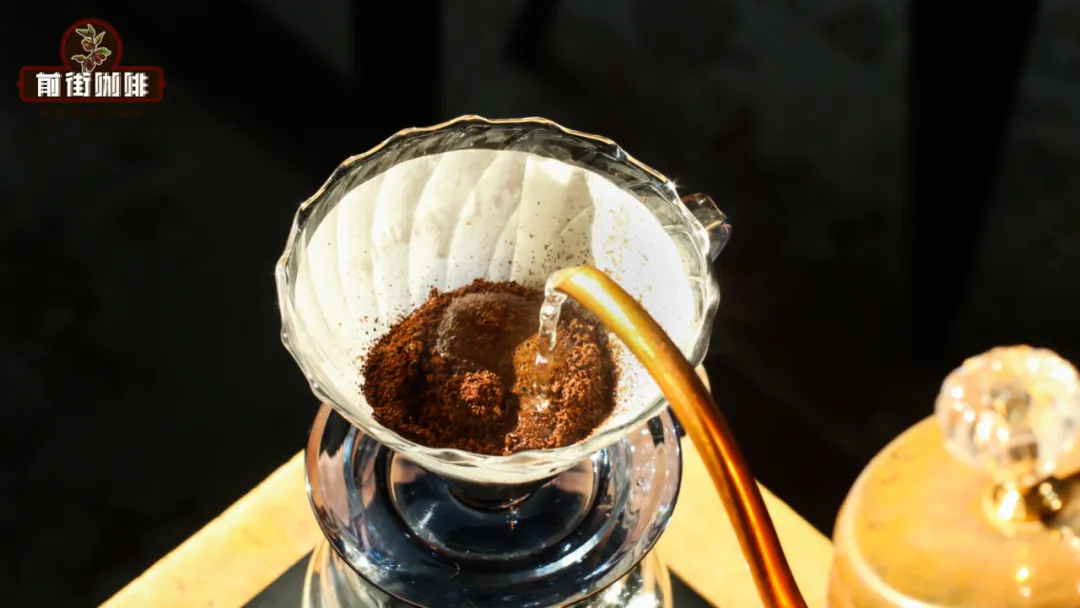
The purpose of blooming is to release the carbon dioxide trapped in the coffee grounds. This gas hinders the contact between hot water and the grounds, thereby affecting the efficiency of flavor extraction. If CO₂ is not effectively expelled, it can not only lead to incomplete extraction but may also result in a thin-tasting cup or undesirable off-flavors. Therefore, blooming is not just a technical step but a foundational element that significantly impacts the overall flavor of the coffee.
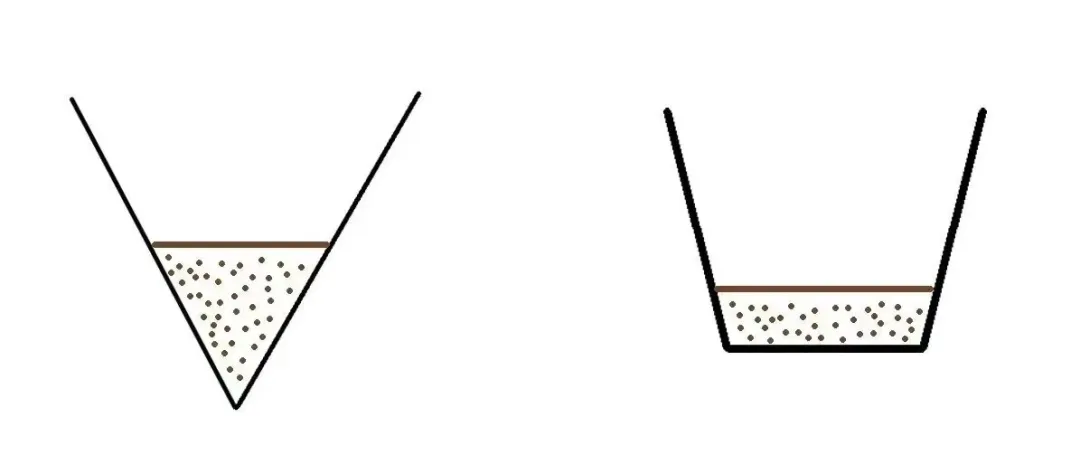
Among the many pour over tools available,Conical filter conespose a challenge to even blooming due to their structural characteristics. These types of filter cones typically have an inverted triangular design, causing the coffee bed formed by the stacked grounds to be relatively thick. As hot water seeps downward, it can be easily influenced by gravity and flow unevenly to one side, resulting in some coffee grounds not being fully saturated and thus affecting the overall balance of extraction.
To address this issue, there are two common and effective pouring methods that help hot water penetrate the entire coffee bed more evenly:
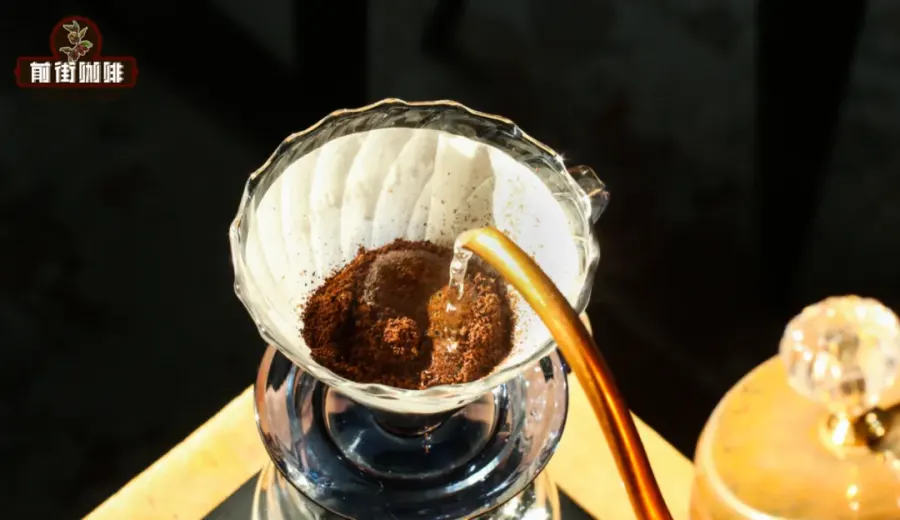
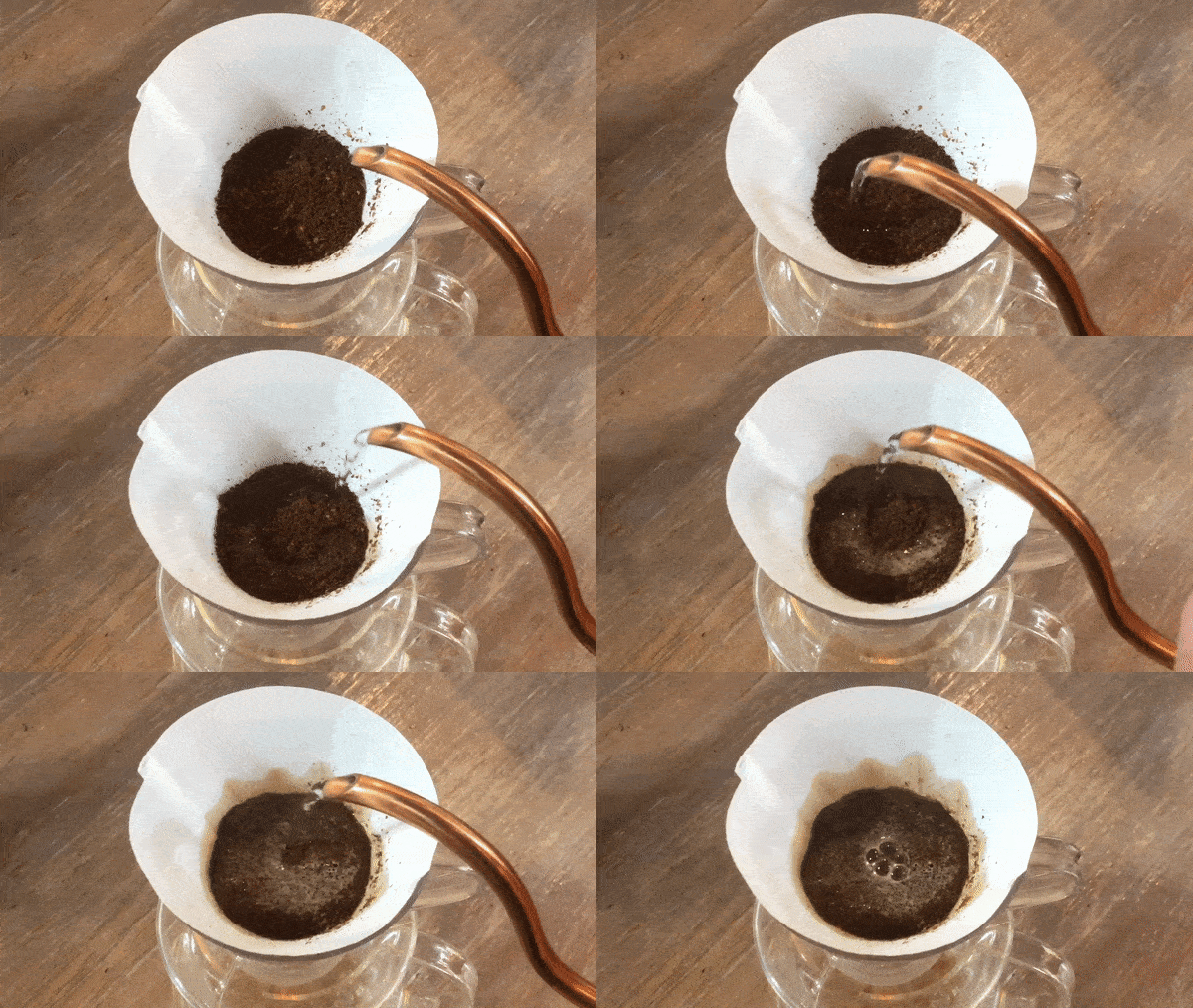
The first method isfocusing the pour in the center area. This technique usually starts from the center of the filter cone, pouring water in a circular motion while pausing briefly at the center point. This allows the hot water to reach deeper into the bottom of the coffee bed, promoting thorough degassing. Although this method requires higher stability in pouring, when done correctly, it can effectively reduce channeling and allow the coffee grounds to be more uniformly saturated. It is suitable for coffee beans of medium freshness with a moderate level of CO₂ release.

The second method involvescreating a small hole in the center of the coffee bed before pouring. Specifically, gently press a small indentation into the center of the coffee bed, then pour hot water from that spot and gradually expand outward in a circular motion. The advantage of this method is that it reduces the direct impact force of hot water on the surface of the coffee bed and minimizes the issue of excessive degassing in the center while the edges remain unsaturated. It’s especially beginner-friendly and demands relatively less precision in water flow control.

Apart from the pouring technique, theduration of bloomingis also one of the key factors determining the success of extraction. A general recommendation is to use “water volume equal to twice the weight of the coffee grounds with a 30-second bloom” as a basic guideline, but this is not set in stone. The darker the roast and the fresher the beans, the more carbon dioxide they contain. In such cases, waiting only 30 seconds might not fully release the gases, leading to uneven extraction later on.
Observing changes in the coffee bed is a straightforward way to determine whether blooming is complete. If, after 30 seconds, the coffee bed still appears wet and swollen, or bubbles continue to rise, it indicates that the beans still hold a significant amount of CO₂. In this case, you may consider extending the blooming timeby 5 to 10 secondsto allow for full gas release, which helps enhance the richness of the subsequent extraction.
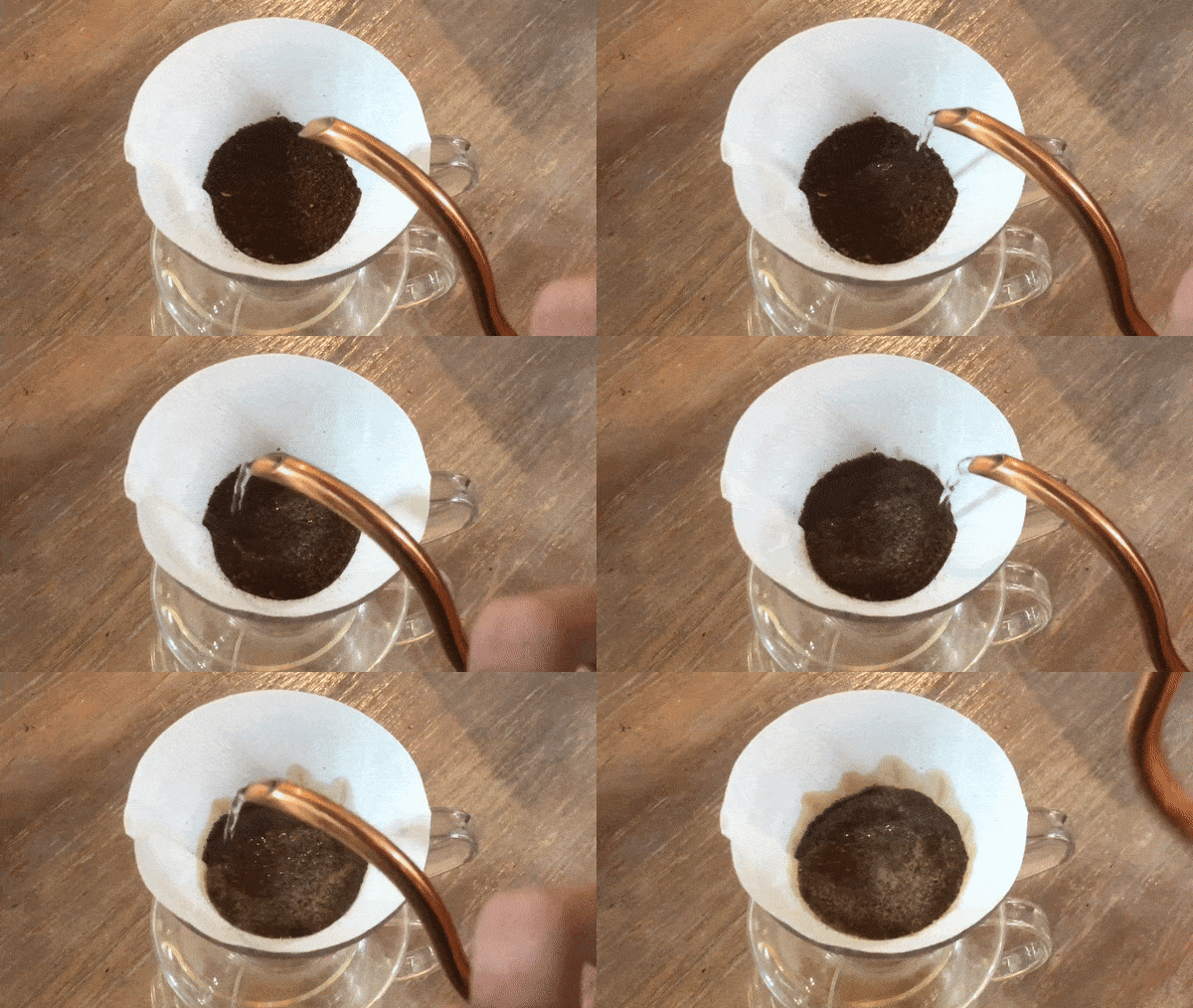
Conversely, if the coffee bed quickly dries out and the swelling subsides soon after pouring, it may mean that most of the CO₂ has already been released. In this situation, you can shorten the blooming time to avoid unnecessary waiting. However, for those with less experience, it is still advisable to stick with the 30-second benchmark to ensure stability in the brewing process.
In summary, the effectiveness of blooming depends on three main elements: pouring method, water volume control, and timing. Only by ensuring hot water uniformly penetrates the entire coffee bed and allowing sufficient time for degassing can extraction resistance be reduced and richer flavor compounds be released—helping every cup of pour over coffee showcase the depth and body it deserves.
The above content is compiled by CoffeeHunters, a coffee news website.


