








Introduction:Many coffee enthusiasts often confuse Huakui with Geisha, but in reality, the two differ significantly in variety, naming, and flavor profile. Huakui is the commercial name for an Ethiopian natural-processed bean, while Geisha is a well-known coffee variety. This article delves into the origins and varietal attributes of both, and compares the actual flavor differences of the latest harvest beans from both using identical pour over parameters, helping you accurately identify and choose your preferred coffee.
Even today, many coffee lovers still regard Huakui and Geisha as the same bean, or even mistakenly assume that Huakui is a variant of Geisha. But in fact, these two names represent completely different concepts: Geisha is a coffee variety with distinct varietal characteristics, whereas Huakui is a commercial name for beans originating from Ethiopia and renowned for their natural processing. Although both come from the coffee kingdom of Ethiopia, they differ markedly in varietal background, naming logic, and actual flavor performance. This article will thoroughly dissect the rise of Huakui, its varietal classification, analyze the two main reasons it is often mistaken for Geisha, and compare the latest harvest beans—Ethiopian Huakui from one brand and Panamanian Boquete Geisha from the same brand—using identical pour over extraction parameters, to help readers clearly distinguish this often-confused pair of coffees.
 Even now, many people still equate Huakui directly with Geisha. But in truth, Huakui is Huakui, and Geisha is Geisha; the two are absolutely not the same thing. If we must say they have something in common, it’s that both originate from Ethiopia. So where does this common misconception come from? What are the actual differences between Huakui and Geisha? The following will unravel everything from the beginning, so you can once and for all understand their fundamental distinctions.
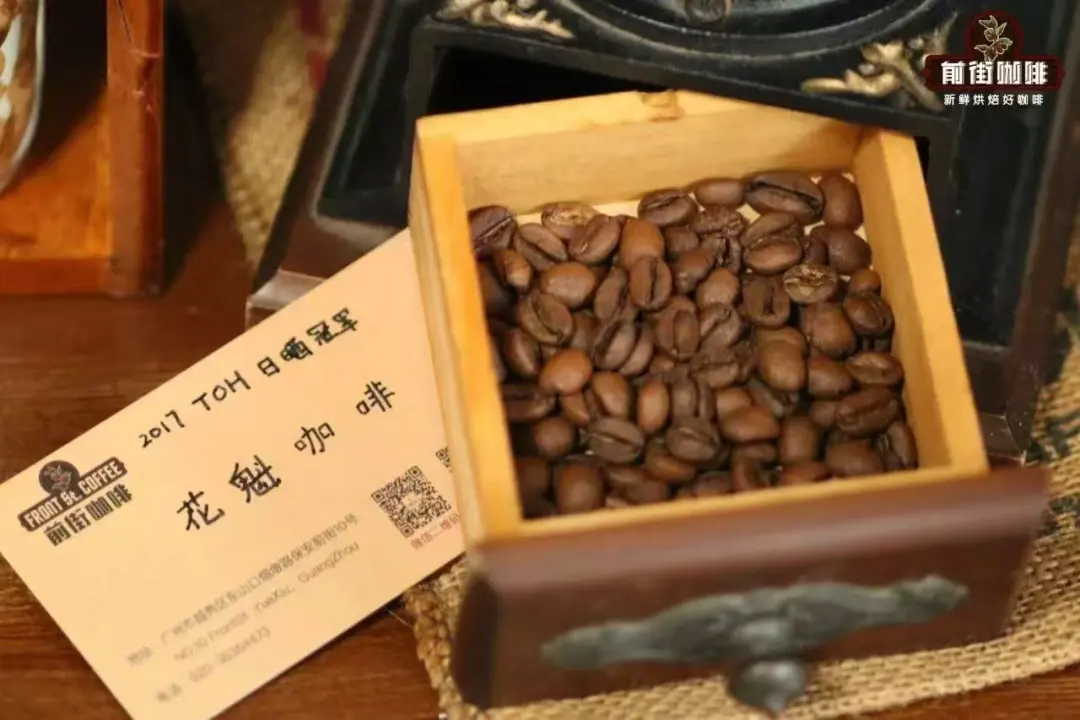
To clarify the difference between Huakui and Geisha, we must start with the names. Geisha is a coffee variety with specific genetic traits, known for its slender bean shape and intense floral and fruity flavors, particularly famous for the T2722 cultivar grown in Panama.Original Geisha beans typically have a pointed, elongated appearance and distinct composite aromas such as jasmine, peach, and honey.. Huakui, on the other hand, is a commercial name, not a varietal name. It refers to a batch of award-winning natural-processed beans produced in 2017 by the Buku Abel processing station in the Guji-Hambela region of Ethiopia.This batch of beans gained widespread fame after winning the Natural category championship at TOH (Ethiopia Green Bean Competition) with its intense strawberry aroma and creamy, buttery mouthfeel.
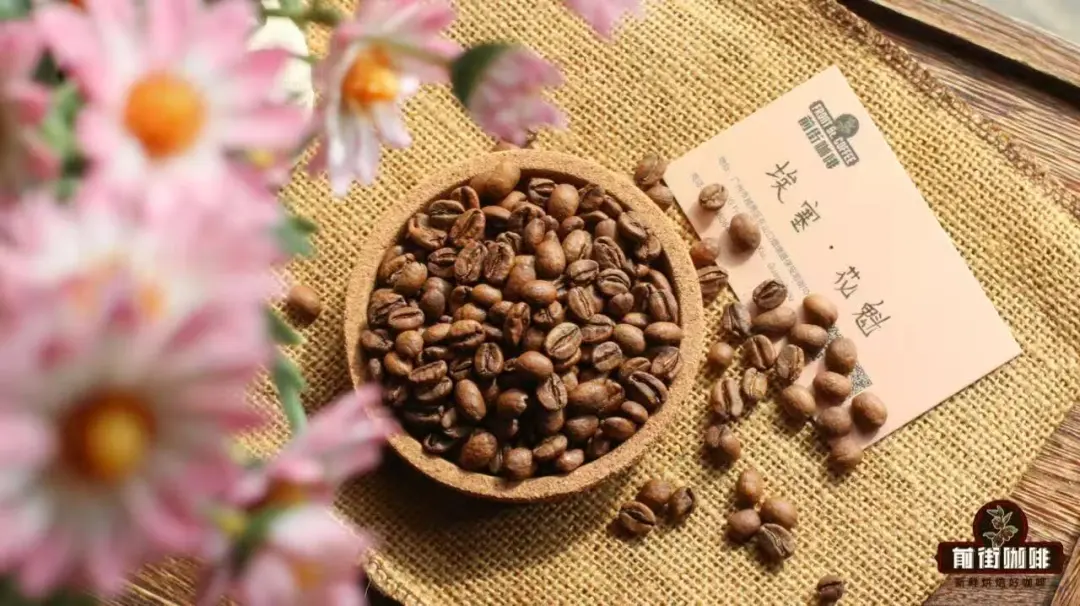 The story of Huakui’s rise began in February 2017. At that time, Ethiopian DW Coffee Company submitted a natural-processed bean from the Buku Abel processing station in the Guji zone to the TOH green bean competition. This bean ultimately won the Natural category championship of that year with its uniquely distinctive strawberry aroma and creamy texture. Subsequently, this winning lot was spotted and successfully auctioned by a Beijing-based green bean trader. Based on its championship prestige, the company named it “Huakui,” meaning “the queen of flowers, outshining all others,” and promptly introduced it to the domestic market for sale. Adding to its legendary status, this Huakui was later used by a coffee competition participant as their competition bean, and it stood out among several contestants using Geisha, eventually earning second place and thus gaining widespread fame.
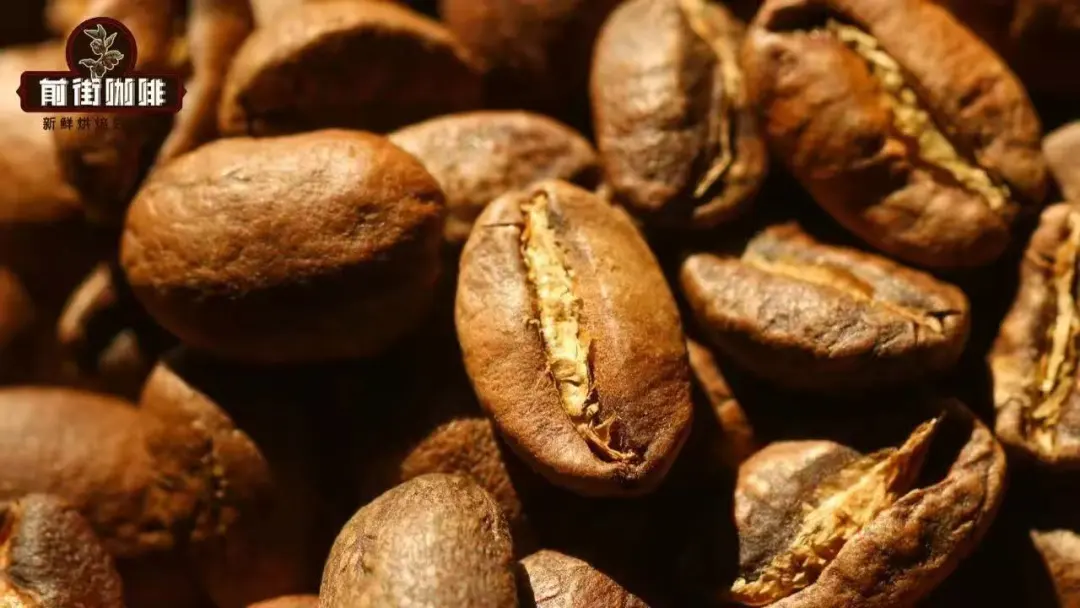 Because Huakui exhibited outstanding flavors comparable to those of Geisha, coupled with a relatively affordable price, it quickly became an industry-recognized representative of high-quality Ethiopian coffee. As market demand surged, DW Company rapidly expanded production capacity by adding four independent processing stations in Dimtu town, the origin area, by purchasing coffee cherries from surrounding smallholder farmers for processing to meet market needs. However, as production volume increased and processing scale expanded, subsequent batches of “Huakui” beans differed from the original in terms of harvesting conditions, processing details, and climatic influences.Since 2018, even with the same origin and processing station, the actual flavor profile of Huakui has also differed from that of the inaugural championship lot.To distinguish products of different years and batches, domestic green bean traders have adopted a version-naming approach similar to tech products, introducing suffixes like “2.0,” “3.0,” “4.0” for Huakui, enabling consumers to clearly identify the specific batch based on the year.
Since Huakui is a commercial name, what is the varietal behind it? The answer is: native variety. The so-called native variety generally refers to mixed coffee beans from Ethiopia that have not undergone specific varietal selection.Since Ethiopian coffee often comes from wild environments or home gardens, farmers usually collect coffee cherries scattered in forests and their own orchards, then send them to processing stations for unified processing. Because it is neither possible nor necessary to precisely sort each bean by varietal, these mixed multi-varietal coffee beans are ultimately collectively referred to as “native varieties.”
 In summary, Geisha is a clearly defined coffee variety with specific genetic traits and appearance; Huakui is a natural-processed bean from Ethiopia circulated under a commercial name, and its varietal is actually a mix of native varieties. Since the two differ greatly in varietal and flavor, why do many people still mistake Huakui for Geisha, or think it is a variant of Geisha?
There are two main reasons for the confusion. The primary reason is a misunderstanding of the names. The name Geisha is a transliteration of the word “Geisha,” which became popular in the Chinese market after being introduced. Even earlier, in Taiwan, “Geisha” was often directly translated as “艺伎” (geisha), because the transliteration is close to the traditional Japanese profession “geisha.” Coincidentally, Huakui is also a historically well-known title for geisha in Japan. Because the two names sound similar and the occupational imagery is similar, some consumers mistakenly assume that Huakui coffee and Geisha coffee have varietal or variant relationships.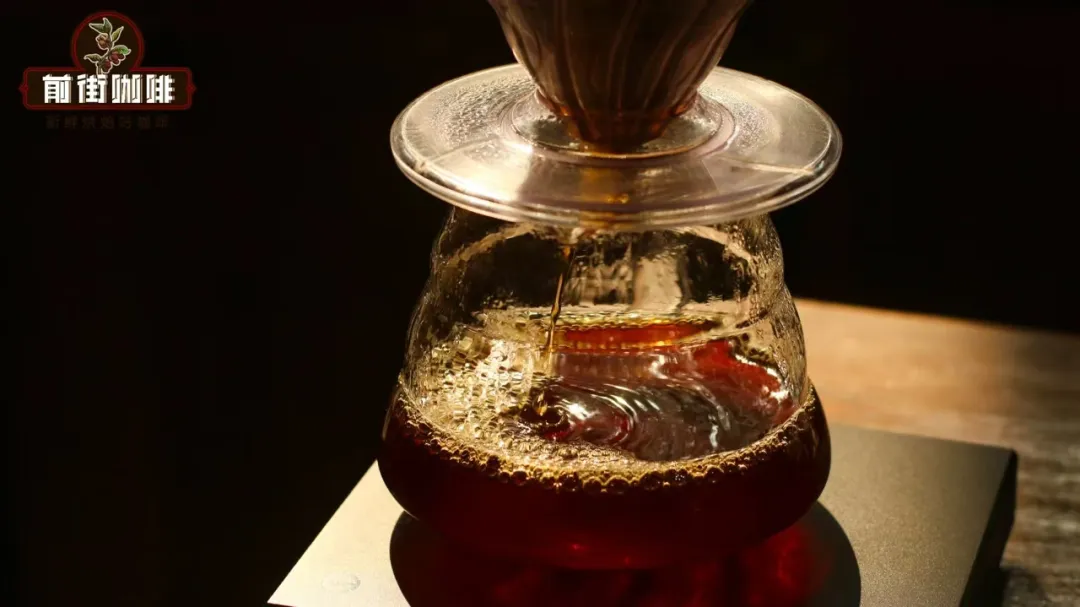
The second reason is related to Huakui’s performance in coffee competitions. Initially, this Huakui bean defeated many Geisha entrant beans in the competition, leading to claims such as “Huakui beats Geisha” or “Huakui is stronger than Geisha.” Combined with the aforementioned name confusion, this further deepened the erroneous impression that “Huakui is Geisha.” However, in reality, the two have no direct varietal relationship—they were just both outstanding performers in the competition that year, with Huakui winning by a slight margin.
To more intuitively understand the differences between the two, the following uses identical pour over parameters to actually brew and compare the flavor profiles of two lots of the latest harvest beans. Brewing parameters are as follows: 15g dose, grind size with 75%–80% passing rate through a #20 sieve, water temperature 92°C, brew ratio 1:15, total extraction time about 2 minutes.
A certain brand’s Ethiopian · Huakui (new harvest): Exhibits rich fruit tones, with clearly identifiable aromas of guava, jackfruit, citrus, apricot, and preserved fruits, accompanied by soft floral notes and a red tea-like finish. The overall mouthfeel is round, with balanced acidity and sweetness, and a long, mellow aftertaste.
A certain brand’s Panamanian · Boquete Geisha (new harvest): The flavor profile is relatively balanced, with clear aromas led by white floral notes, complemented by soft citrus and berry tones, and a red tea-like comforting finish. The overall mouthfeel is clean and refreshing, like sipping a fragrant fruit and flower tea.
 Through the above analysis and actual flavor comparison, readers should now be able to clearly distinguish the essential differences between Huakui and Geisha, and understand why Huakui is neither Geisha nor its variant. Whether you’re a beginner in coffee or a drinker seeking fresh flavor experiences, mastering this basic knowledge will help you make more accurate judgments when selecting beans and tasting.
The above content is compiled by CoffeeHunters, a coffee news website.


