







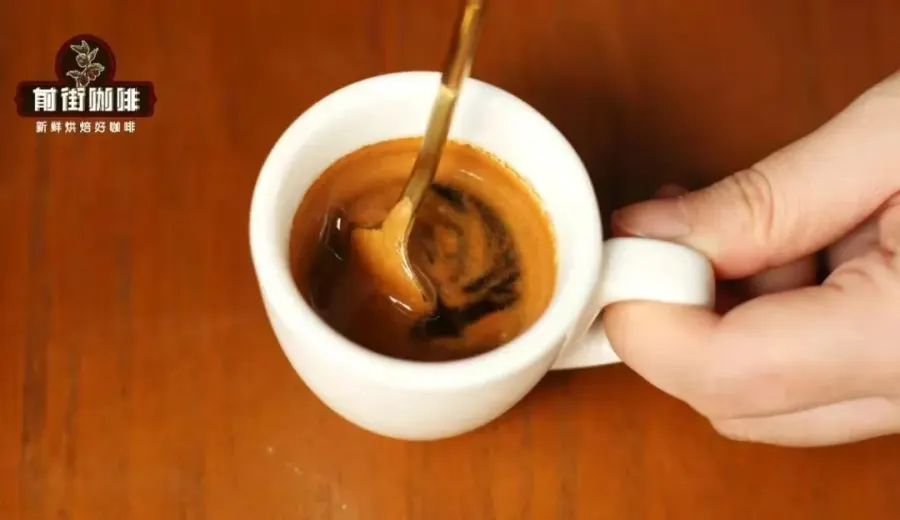
Introduction:When beginners make espresso, they often end up with imbalanced flavors—such as excessive sourness or a watered-down taste—by sticking to a fixed brew ratio while neglecting extraction variables. This article dives into why the industry commonly favors a 1:2 brew ratio, and helps you master the three core adjustment parameters: dose, grind size, and time. By using a 30-second extraction window to gauge grind status, we’ll guide you toward consistently brewing balanced, layered espresso.
Many novice espresso enthusiasts, after applying popular formulas like “18g of coffee grounds to 36ml of espresso,” often find the result overly sour or clearly under-extracted, yet don’t know whether to adjust the water temperature, pressure, or grind size first. In fact, by focusing on dose, brew ratio, and the interplay of grind and time, you can gradually dial in the right extraction settings.
While many tutorials recommend standard formulas such as 18g of coffee yielding 36ml of liquid, if the final extraction time is too short, it may still result in incomplete extraction, leaving the coffee tasting sharp and lacking complexity. Faced with this issue, many beginners wonder: should they start by adjusting the water temperature, pressure, water volume, or the grinder’s grind setting?
In truth, for those just starting out, it’s not advisable to drastically alter advanced parameters like water temperature, pressure, or the portafilter basket. These elements are not only more complex to adjust but their impact on initial extractions may not be immediately noticeable. We suggest prioritizing mastery of dose, brew ratio, and the coordination of grind and extraction time, which can effectively improve the quality of your coffee extraction.
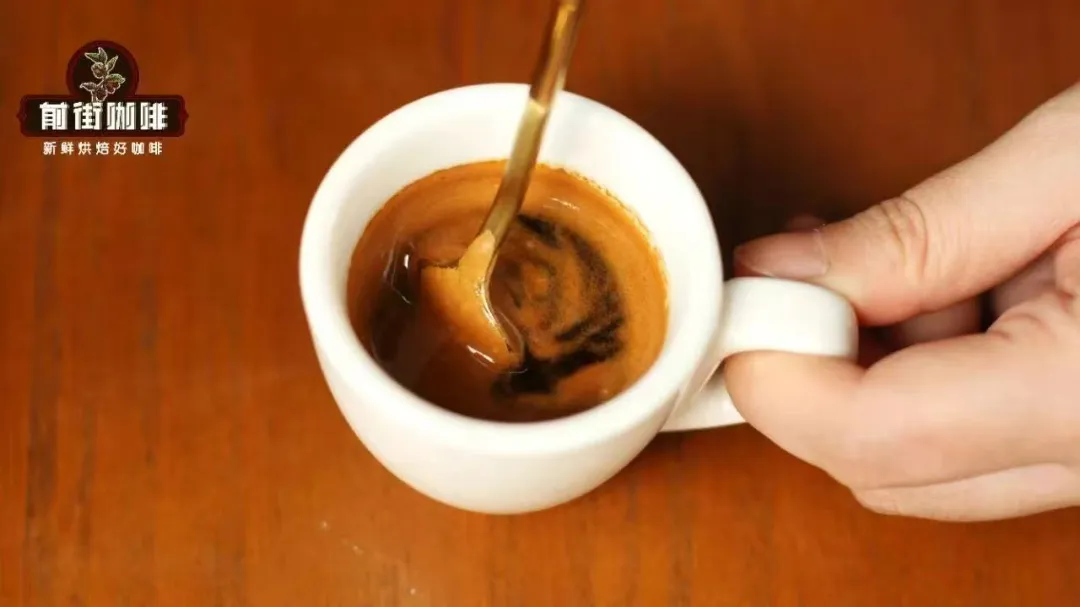
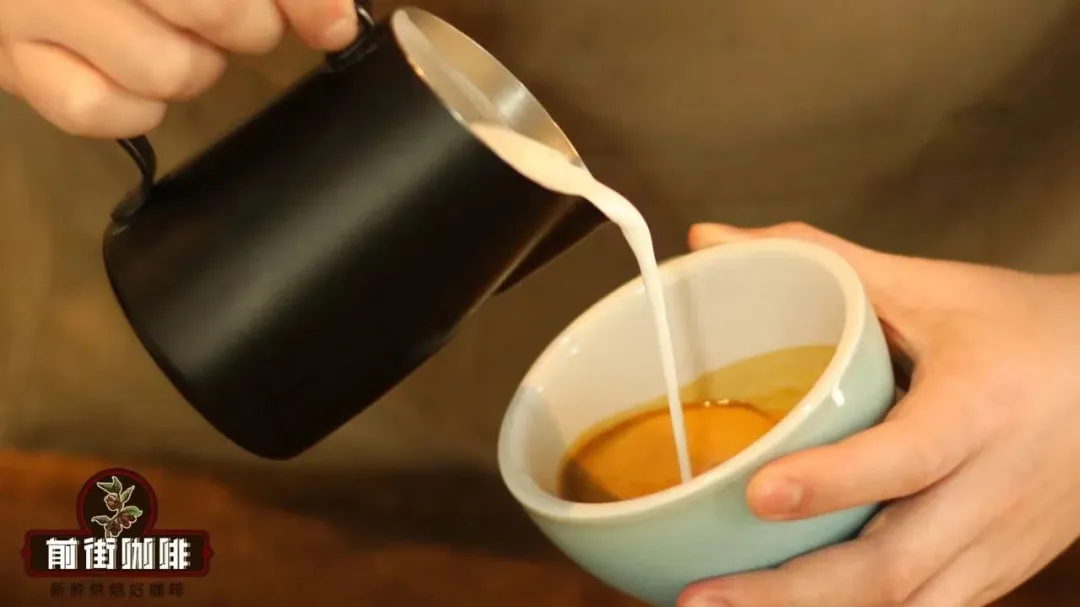
Among these three key parameters, dose and ratio are usually fixed—especially when using a specific portafilter basket, as manufacturers often recommend an ideal dose range, which beginners can simply follow. For brew ratio, if you’re only drinking straight espresso or diluting it with hot water for an Americano, there’s more flexibility. But if you plan to use that espresso as a base for milk-based drinks like lattes, cappuccinos, or flat whites, it’s recommended to keep the brew ratio around 1:2 to ensure sufficient coffee concentration to support the integration of milk flavors.
Why is 1:2 considered the golden ratio for espresso? Because, at the same extraction yield, a higher brew ratio means a higher concentration of dissolved solids in the coffee, resulting in a fuller-bodied taste. Conversely, a lower ratio can easily make the coffee taste watery and bland. When using espresso as the base for milk coffee, maintaining an appropriately high concentration ensures the final drink has rich layers, rather than being diluted by milk into something flavorless.

Once dose and brew ratio are fixed, the most flexible parameter to adjust is grind size. Grind size directly affects the particle size of the coffee grounds, which in turn changes the resistance the water encounters while passing through the coffee puck, and ultimately determines the overall extraction time. Simply put, if you want to lengthen or shorten the extraction time, you only need to fine-tune the grinder’s grind setting slightly.
It’s recommended to aim for an extraction time between 26 and 34 seconds, with 30 seconds as the ideal benchmark. This time frame, paired with a 1:2 brew ratio, allows the coffee to reach an equilibrium in extraction—avoiding the excessive sourness caused by under-extraction, as well as the bitterness and papery taste from over-extraction. If the extraction time is too short—for example, completing a 40ml extraction in just 10 seconds—it indicates the grind is too coarse, allowing water to pass through too quickly. In this case, you’ll need to adjust the grind finer—that is, moving toward smaller numbers on the grinder’s dial, with adjustments of about 1 to 2 notches at a time, and fine-tuning roughly 4 to 6 notches based on the actual time difference.
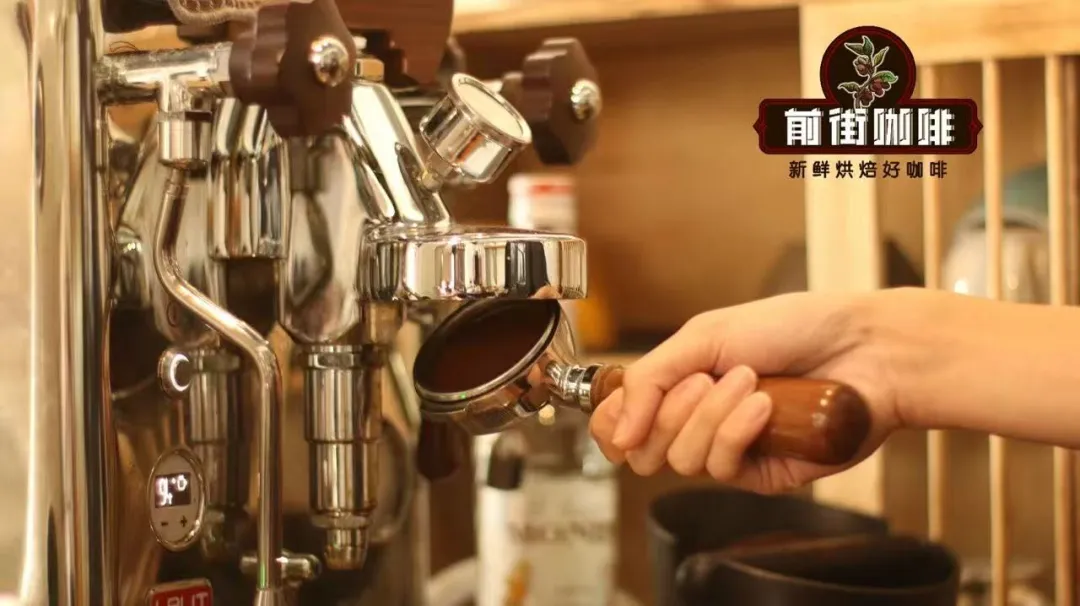
Taking a common dose of 20g as an example, aiming for 40ml of extracted liquid at a 1:2 ratio, and setting the extraction time around 30 seconds. If the actual extraction is too fast, it means the grind is too coarse, and you should adjust finer; if it’s too slow, the grind may be too fine, causing too much resistance, and you can adjust coarser as appropriate. After adjusting, re-brew, and if the time meets expectations, then taste and evaluate the flavor profile.
If the final extraction time falls within the ideal range, but the flavor is still not satisfactory—such as being overly bitter or noticeably sour—you can further determine whether it’s over-extracted or under-extracted based on taste, then make minor adjustments to the dose or liquid volume. For instance, if the coffee is too bitter, try reducing the liquid volume to lower the extraction yield; if the flavor is too light, you might slightly increase the dose or extracted liquid volume to enhance overall extraction.

In summary, making a balanced, flavorful espresso with distinct layers hinges on controlling dose, brew ratio, and adjusting extraction time via grind size. Beginners are advised to start with a base of 20g of coffee yielding 40ml of liquid in around 30 seconds, observe whether the extraction time aligns with expectations, and then make detailed adjustments based on actual flavor feedback. Once you’ve mastered these three core parameters, you’ll be more confident in tackling various extraction challenges and consistently produce satisfying espresso.
The above content is compiled by CoffeeHunters, a coffee news website.


