







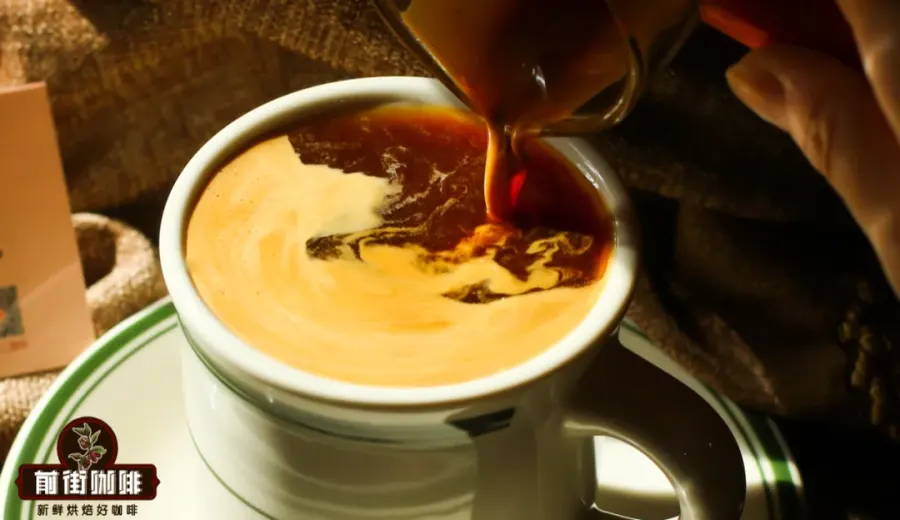
Introduction:Many coffee enthusiasts often wonder: should you add water or espresso first when making an Americano? This seemingly simple step actually impacts crema retention, aroma release, and overall flavor. This article takes an in-depth look at the practical differences between the two methods, explains the fundamental distinctions between a long black and an Americano, and offers useful extraction parameters and coffee bean recommendations to help you craft a better black coffee.
Regarding the Americano, there’s a frequently debated question: should you add water first or espresso first? This issue not only concerns the order of preparation but also affects the final presentation of crema, aroma, and taste. Although many drinkers may find it hard to tell the difference in a blind tasting, the order does indeed bring subtle variations to the cup.
It’s worth noting that many people mistakenly assume that “adding water first, then espresso” is the same as a long black. However, these two drinks still differ noticeably in concentration and presentation. A long black is typically made by pouring hot water into the cup first, followed by the addition of espresso, resulting in a more intact crema layer and a relatively richer overall flavor. In contrast, a regular Americano is usually made by pulling a shot of espresso first and then mixing it with hot water—this order difference affects both the appearance and flavor distribution.

To explore this question, we conducted a comparative experiment using the same coffee beans and extraction parameters—20 grams of coffee grounds, a 30-second extraction time, yielding 40 ml of espresso—diluted with 160 ml of 70°C hot water, with the only variable being the order of addition. One cup had the espresso poured in first, followed by hot water; the other had hot water added first, followed by espresso.
The visual differences are immediately apparent.The cup where espresso was poured in first, then watertends to have its crema (coffee oils) disrupted by the impact of the water, leading to a thinner layer of crema—or even just a thin layer of white foam. On the other hand,the version where water was added first, then espressoallows the crema layer to remain more intact since the espresso is poured last, resulting in a more golden, richer layer of oils on top.
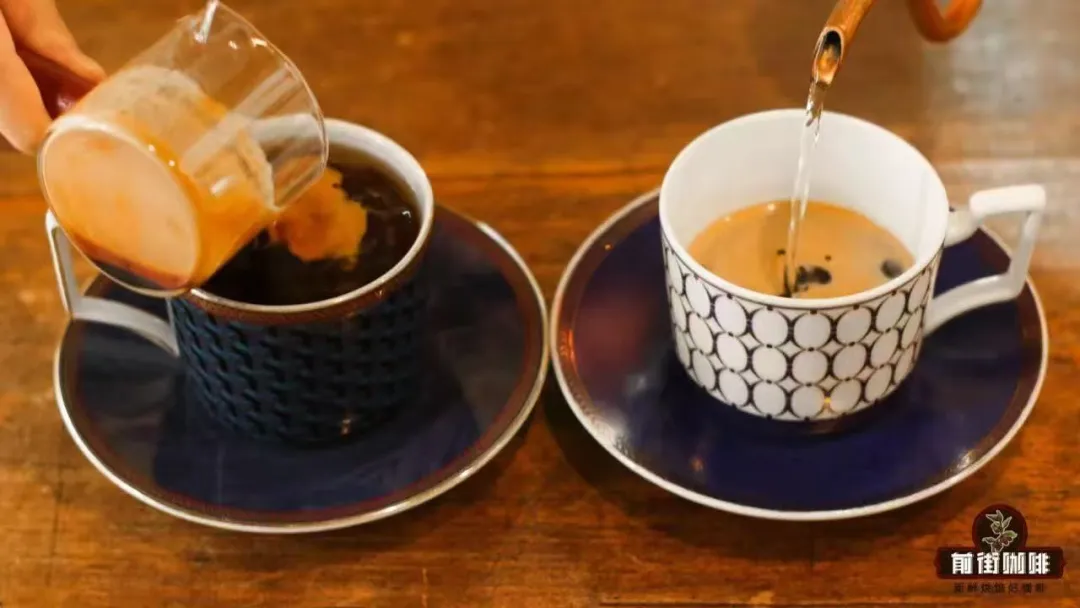
In terms of flavor, the two also show differences. The version with espresso added first allows the espresso and water to mix quickly, resulting in a more consistent taste in each sip, with balanced and smooth flavors. The version with water added first, if not stirred properly, may deliver more concentrated aroma and bitterness in the first few sips due to the initial presence of oils, while the later sips might taste slightly weaker in concentration due to incomplete mixing, leading to a slight inconsistency in mouthfeel. That said, in everyday drinking scenarios, these differences may not be very noticeable unless you’re paying close attention.
As for coffee bean selection, if you prefer a black coffee with a balance of caramel, nutty, and creamy flavors, you might opt for a medium-roast blended coffee, such as Queen Estate, Dark Cocoa Base Blend, or Premium Blend. These beans perform steadily in Americanos. If you lean toward brighter acidity and lighter fruity notes, you could consider using the Huakui SOE, a single-origin bean from Ethiopia’s high altitudes, which offers fresh berry aromas and a well-balanced sweet-and-sour profile, making it suitable for a non-bitter Americano.
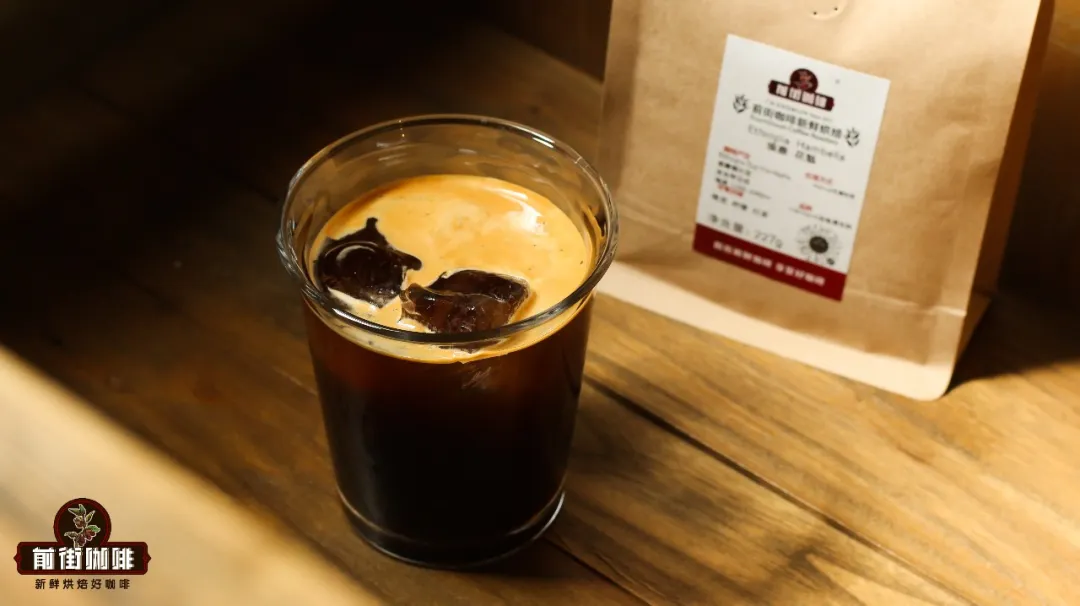
From a historical perspective, many early coffee shops used to pull the espresso first and then add milk or water based on customer preference. Since most shops would preheat cups next to the espresso machine for efficiency and quick service, the common process was to make the espresso first and then add the liquid. However, as coffee shop operations sped up and efficiency became a priority, many began pouring hot water into the cup first, followed by the freshly pulled espresso. This method not only saves time but also makes the crema on the surface of the coffee more visible, enhancing its visual appeal.
This evolution in preparation order has also led many consumers to become accustomed to seeing an Americano with a thick layer of crema floating on top, and thus perceive it as the “authentic” or “better-tasting” version. In reality, regardless of the order, as long as the extraction parameters and bean quality are well controlled, you can still produce a satisfying black coffee. The key ultimately lies in individual taste preferences and the practicality of the brewing process.
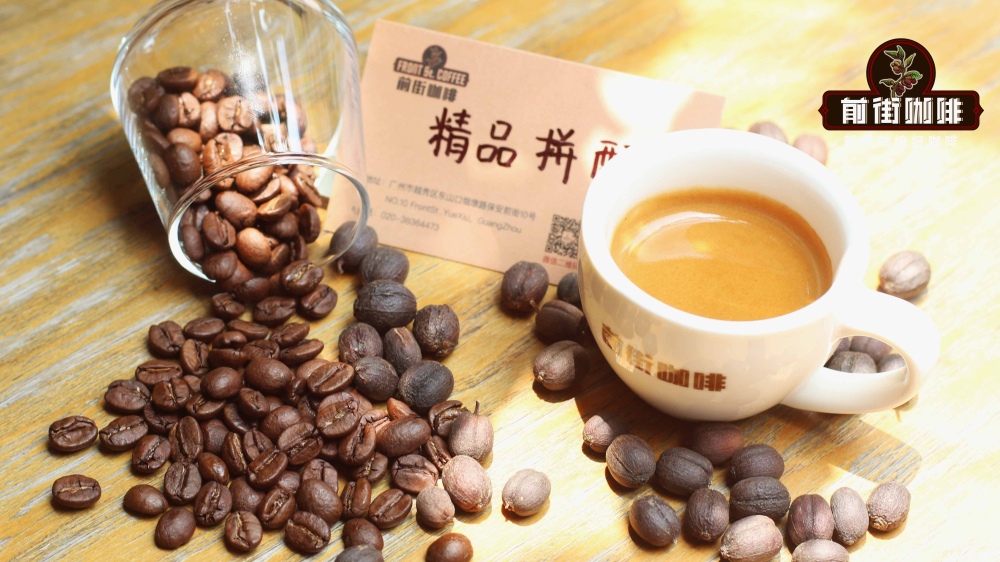
In summary, there’s no absolute right or wrong when it comes to whether to add water or espresso first in an Americano—it’s more about the nuances that affect crema retention, aroma release, and visual experience. If you’re aiming for a more complete crema presentation and richer aroma layers, you might choose to add water first, then espresso. If you prioritize speed and ease of operation, adding espresso first and then water is equally valid. Whichever method you choose, mastering thebasic parameters of 20 grams of coffee, 30-second extraction, and 40 ml of espresso, along with selecting the right beans, will allow you to enjoy a well-balanced black coffee.

The above content is compiled by CoffeeHunters, a coffee news website.


