







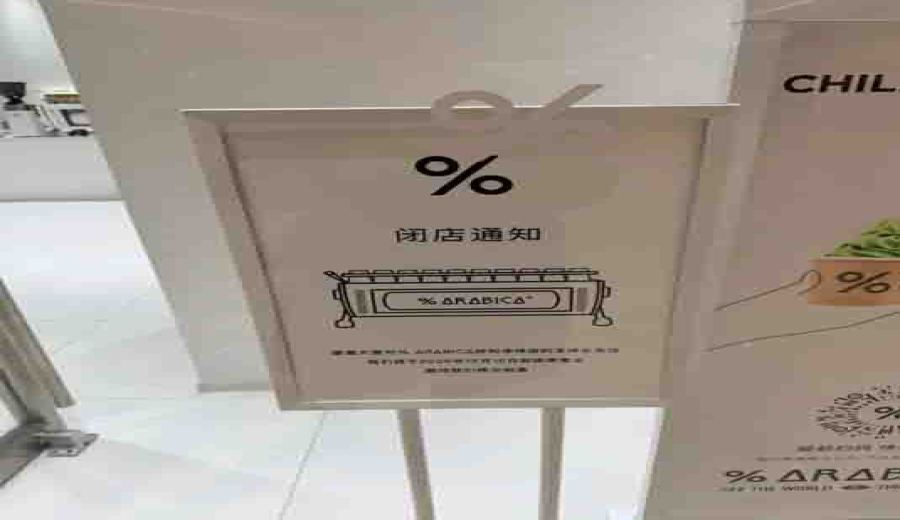
Introduction:News has emerged that %Arabica’s first city store in Hohhot's Mixc Mall in Inner Mongolia will cease operations on December 16. This pop-up store, which only opened in early July this year, was originally planned as a short-term trial operation but had its lease extended, yet it still could not escape closure. This article delves into the challenges of %Arabica’s pop-up store business model, the issue of value-for-money for specialty coffee in second-tier cities, as well as the brand’s new trend toward Kiosk coffee carts—helping readers understand the strategic shifts behind high-end coffee brands amid market adjustments.
Recently, netizens in the Inner Mongolia region shared on social media platforms that %Arabica’s first city store in Hohhot Mixc Mall will officially close on December 16. The store debuted in early July this year alongside the mall’s opening, marking %Arabica’s first physical presence in Hohhot. According to information on the official mini-program, the store was labeled as a pop-up, which initially attracted many coffee enthusiasts to visit specifically for a photo opportunity.
Local residents revealed that the pop-up store was originally planned to operate for only about three months, with an intention to exit the mall after a short trial period. However, after the lease expired, the shop reportedly reached an agreement with the mall to continue operations. Recently, a closure notice was posted outside the store, catching many regular customers off guard. Some patrons expressed surprise, having assumed the pop-up would become a permanent location, only to see it close in the end.
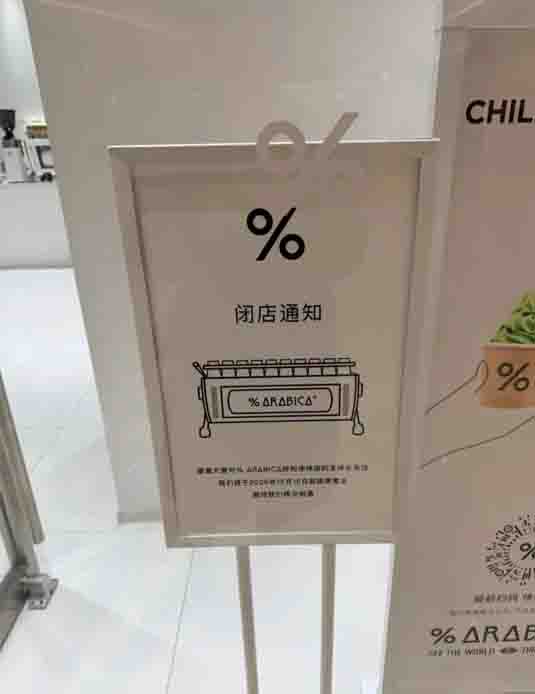
Some consumers familiar with the brand quickly visited the store upon hearing the closure news—not only to try the signature Spanish Latte and matcha soft serve, but also to purchase additional coffee beans for collection. They expressed regret over the brand’s sudden departure, leaving comments such as “I thought it wouldn’t leave,” “Ordered often, how come it’s gone?” and “It’s closing already?? I haven’t had enough.”
However, some nearby residents believe that %Arabica, which focuses on the specialty coffee segment, has an average product price of around 40 RMB, which is not particularly competitive in the local market. Coupled with the decline in overall foot traffic at Mixc Mall after the initial opening hype, the pop-up store’s performance has been mediocre. Even with the delayed closure, ultimately deciding to exit is understandable.
Notably, this is not the first time %Arabica has adjusted its store layout. This year, the brand has successively closed physical stores in Nanning Mixc Mall, Guangzhou Tianhuan Plaza, Wuxi Hang Lung Plaza, and others, shifting instead to serving local customers via Kiosk coffee carts. Industry observers suggest that this shift may be a flexible adjustment made by the brand in response to varying market feedback across different cities.
Some netizens speculate that after the closure of %Arabica’s first Hohhot store, the brand might return to the local market in the future in the form of coffee carts. However, some customers expressed disappointment, noting that while coffee carts can reduce rental and maintenance costs and cater to the modern demand for quick purchases, they cannot replicate the immersive experience offered by %Arabica’s signature minimalist and elegant storefronts.
Many customers are impressed by the interior design and ambiance of %Arabica stores, believing these outlets often blend well with the local urban landscape and become iconic city features. In contrast, even if a coffee cart displays the brand’s logo signage, it still struggles to recreate the immersive shopping experience of a physical store, reducing the incentive for people to stop by.
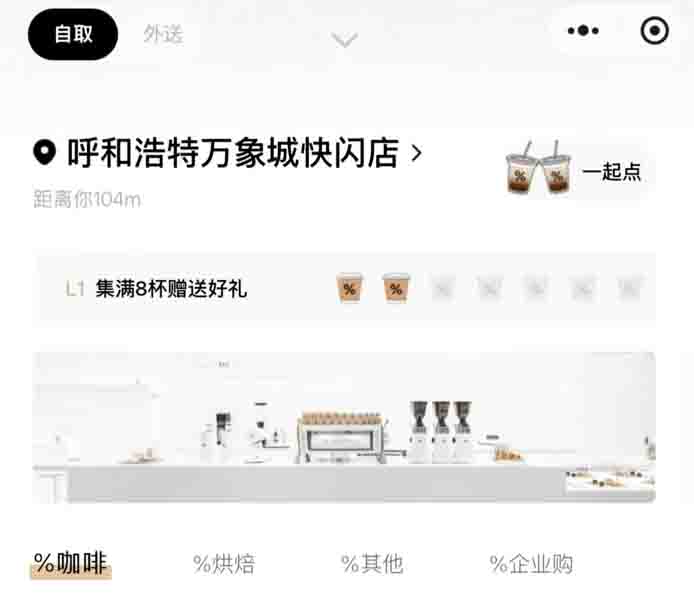
As of now, %Arabica’s official channels have not announced specific plans following the closure of the Hohhot flagship store. The public is still watching to see whether the brand will make a return to the local market in another form, as some fans hope. For consumers interested in the development of high-end specialty coffee, this event also provides an opportunity to reflect on the balance between the pop-up store model, brand localization strategies, and market pricing.
The above content is compiled by CoffeeHunters, a coffee news website.


