







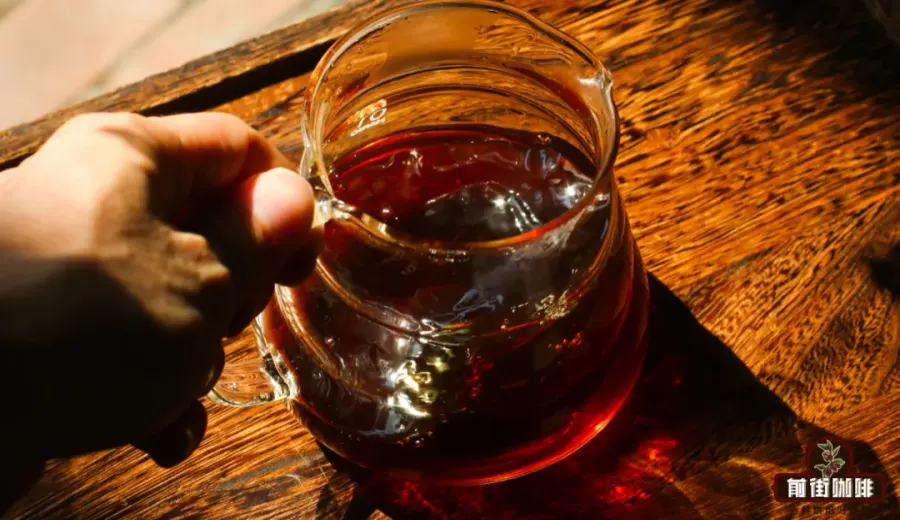
Introduction:Have you ever judged a coffee bean’s roast level, strength, or taste based on the color of the brewed coffee? In reality, the color of coffee liquor is influenced by multiple factors such as roast degree, concentration, and filtration method—relying solely on color can easily lead to misjudgment. This article delves into the color characteristics of coffee brewed with different roast styles, clarifies the visual differences between dark and light roasts, points out common misconceptions, and helps you understand extraction results more scientifically.
Many coffee enthusiasts habitually observe the color of coffee liquor to speculate on the roast level of the beans, the strength of the brew, or even to judge whether a cup of coffee is delicious. However, there are actually many factors that affect the color of coffee liquor. Aside from roast depth, these include extraction concentration, the choice of filtration equipment, and even the content of fine particles and oils, all of which can influence the final color. Therefore, evaluating coffee quality based solely on liquor color can easily lead to misunderstandings and incorrect adjustments.
In practice, even when using the same beans, the same coffee-to-water ratio, and the same extraction time, changing just one or two parameters—such as switching to coffee beans of a different roast level or using different filter paper versus a metal filter—can result in vastly different coffee liquor colors. This is why professional baristas generally do not recommend judging the success of an extraction solely based on "color darkness or lightness."
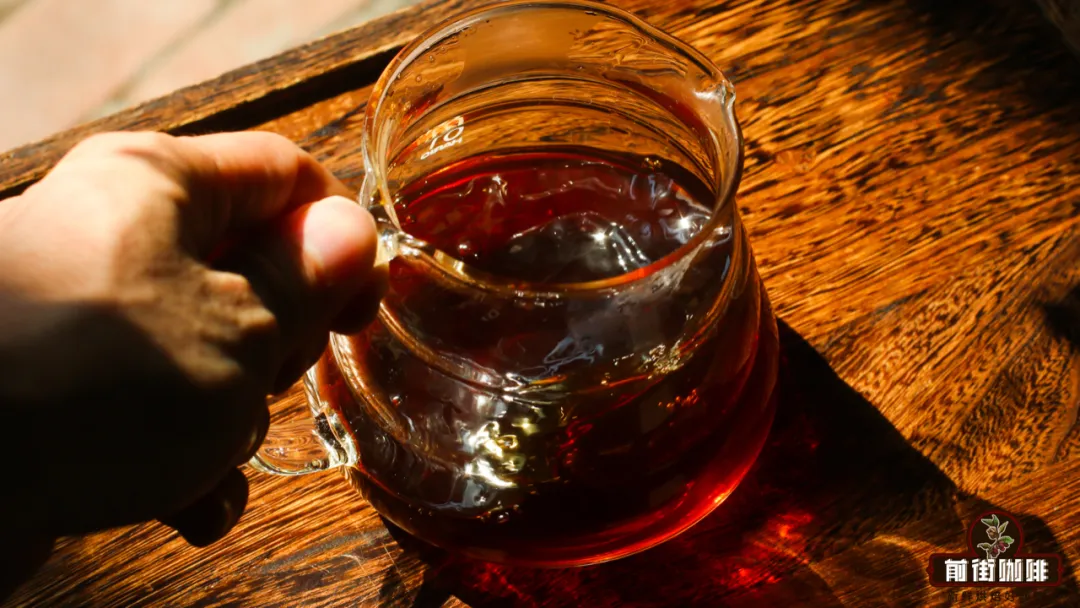
First, one of the most significant factors affecting coffee liquor color is the roast level. Generally speaking, under fixed conditions of coffee dose, water temperature, and extraction yield, the darker the roast, the darker the resulting coffee liquor tends to be, often approaching dark brown or even near black; conversely, lightly roasted beans yield coffee that is lighter brown, sometimes even with a slight reddish tint.
For example, if you use the same ratio and technique to brew a lightly roasted Ethiopian Huila and a dark roasted Indonesian Golden Mandheling, even if all other extraction conditions are identical, the difference is visibly clear to the naked eye: the lightly roasted coffee liquor appears as a bright amber or light red-brown, while the dark roasted version has a richer, closer-to-black-brown hue. This difference mainly stems from the Maillard reaction and caramelization that occur inside the beans during roasting—over longer roast times, more melanoidins are produced, darkening the color of the coffee liquor.
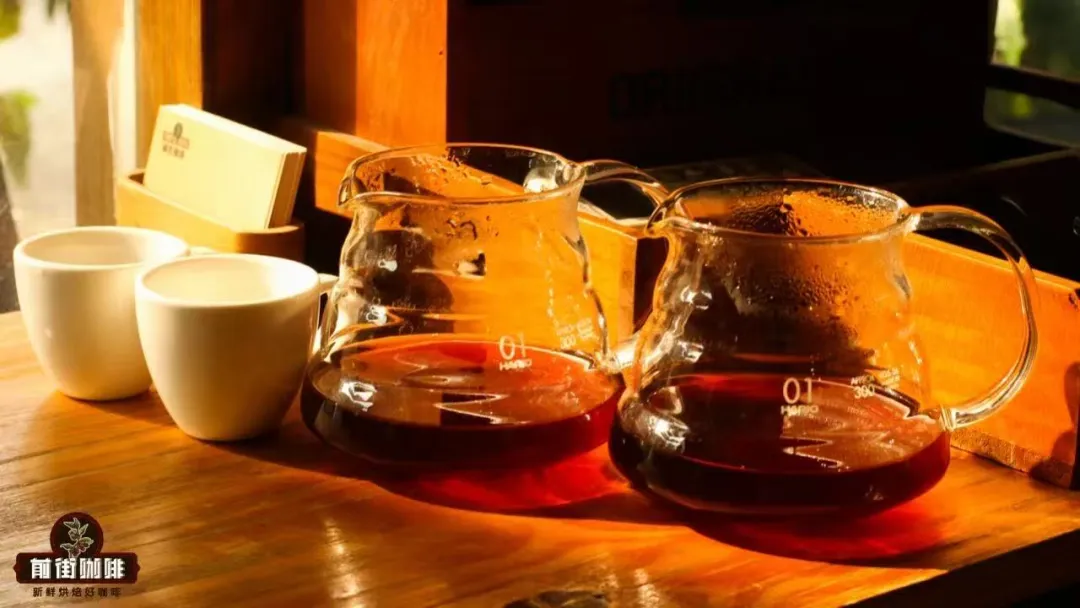
Aside from roast level, coffee concentration is also a key factor influencing liquor color. Concentration refers to the proportion of soluble solids in the coffee liquor, usually expressed as a percentage. The higher the concentration, the more coffee components are dissolved in the water, which not only makes the coffee appear darker and less transparent but also affects the overall mouthfeel in terms of richness and layering.
Simply put, high-concentration coffee liquor, due to its higher dissolved content, visually appears more "rich and murky," whereas low-concentration coffee liquor may look lighter, clearer, and sometimes even give an impression of being overly watery. But this does not mean that higher concentration always tastes better—everything ultimately comes down to flavor balance and personal taste preferences.
The last variable that cannot be ignored is the choice of filtration equipment. Common pour over filtration tools include filter paper, metal filters, and French presses, each of which filters oils and fine particles from coffee differently. Using highly filtering filter paper can effectively intercept most fine particles and coffee oils, making the coffee liquor look clearer and more transparent; whereas using a metal filter or untreated filtration material retains more suspended particles and natural oils, resulting in a coffee liquor that looks more turbid or even slightly oily.
It’s important to note that while the clarity of the liquor color can affect the visual perception of "cleanliness," it is not absolutely correlated with how good the coffee tastes. Some coffees may appear slightly cloudy but have very rich flavor layers, whereas overly clear coffee might taste thin due to a lack of oils.
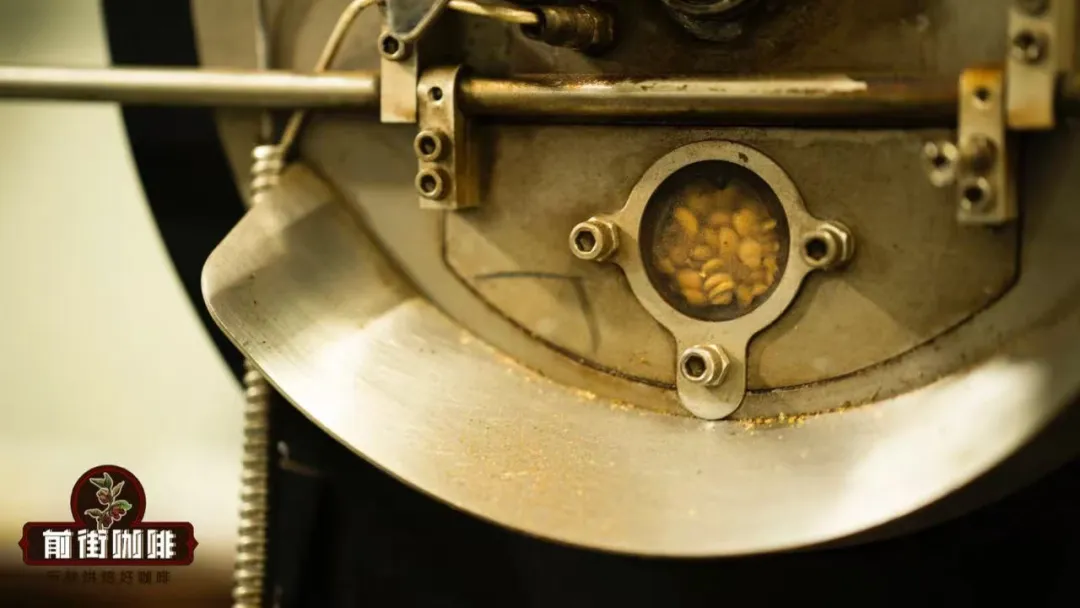
Taking all the above variables into account, we can clearly understand that coffee liquor color is not an absolute indicator of extraction success or flavor quality. While liquor color can to some extent reflect concentration levels and certain extraction conditions, once you change the coffee variety, adjust the roast level, or switch filtration materials, the original color references may become completely invalid.
For example, some people prefer coffee with a wine-red hue, believing that such a color indicates balanced flavor and satisfaction. But in reality, this color may be the result of specific beans under particular extraction parameters—and once you switch to other beans or adjust water temperature or coffee-to-water ratio, the same liquor color may not represent the same flavor profile. Therefore, viewing wine-red or specific hues as a symbol of "good taste" is a common misconception.
In summary, it is recommended that coffee enthusiasts focus more on actual flavor performance—acid-sweet balance, body, and aftertaste—when evaluating a cup of coffee, rather than relying solely on visual judgment of liquor color. Liquor color can serve as a supplementary reference, especially when tracking the extraction changes of a specific bean under specific conditions, but it is by no means the sole criterion for judging coffee quality. Understanding this will help you more accurately adjust your brewing strategy and find your own optimal extraction flavor.
The above content is compiled by CoffeeHunters, a coffee news website.


