








Introduction:Drizzling espresso over traditional tangyuan (glutinous rice balls) has become a popular festive creativity among coffee enthusiasts in recent years. This Sino-style dessert combination, reminiscent of the Italian affogato, may seem unconventional but delivers a surprisingly delightful flavor contrast. This article details the key steps to making coffee tangyuan—from boiling tangyuan without breaking their wrappers, to espresso extraction parameters, and the flavor differences between dark and medium roasted beans—teaching you how to craft a special winter solstice dessert that balances sweetness, stickiness, and roasted aroma.
Eating tangyuan during the Winter Solstice is an important tradition in southern China, symbolizing reunion and completeness. In recent years, coffee lovers have gotten creative by pouring espresso over tangyuan, resulting in a festive dessert that blends Eastern and Western elements. This so-called “Chinese affogato” actually creates a surprisingly pleasing taste contrast.

The concept behind coffee tangyuan is similar to that of an affogato, but the key lies in using a high-concentration espresso. It’s recommended to use a moka pot or espresso machine for brewing, as regular drip coffee lacks the flavor intensity needed to balance the sweet, sticky texture of tangyuan. While this creative pairing is frequently seen on social media, how does it actually taste? Our hands-on testing revealed that the roasted aroma of coffee forms a marvelous contrast with the sweetness of black sesame and peanut fillings.
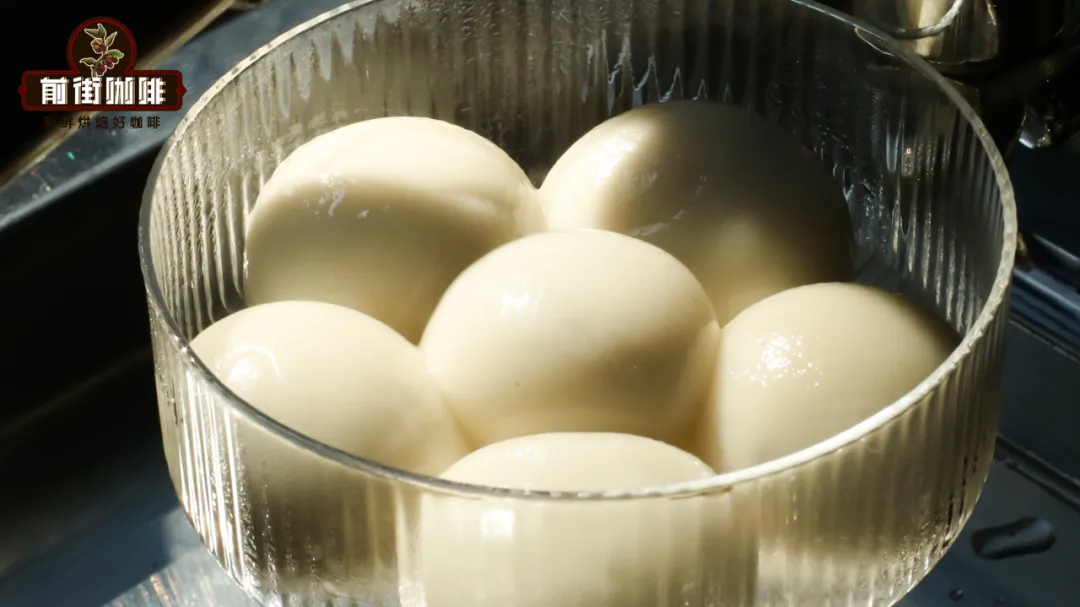
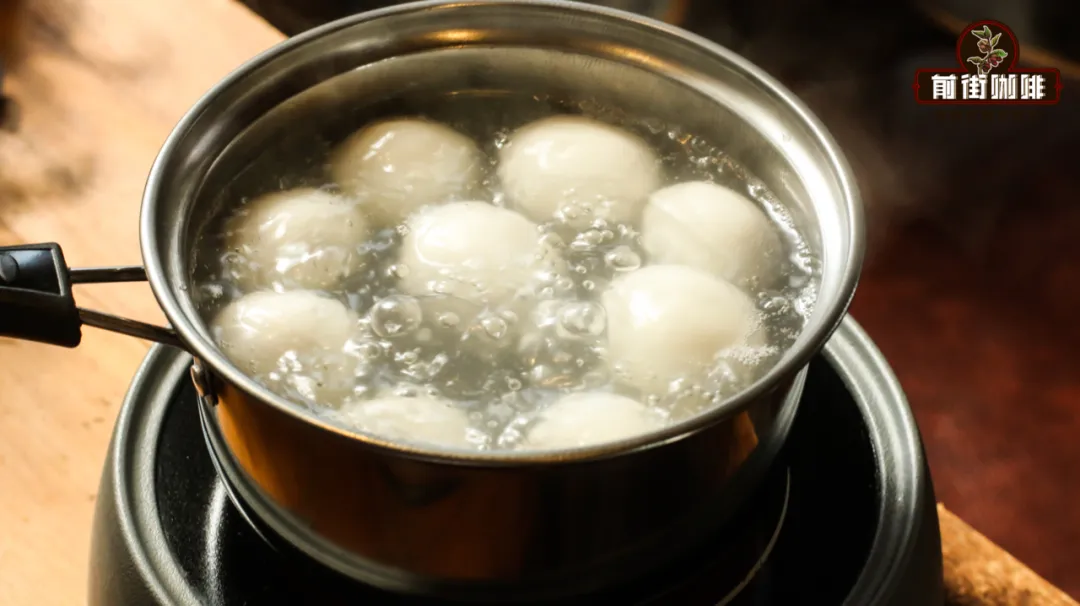
When making it, the first priority is the cooking technique for the tangyuan. Bring water to a boil, add the tangyuan, then gradually add small amounts of room-temperature water to maintain a “gentle simmer” in the pot. This method prevents the tangyuan from breaking due to vigorous bubbling. Once all the tangyuan float to the surface, they are done. This trick ensures the tangyuan remain intact and perfectly round.
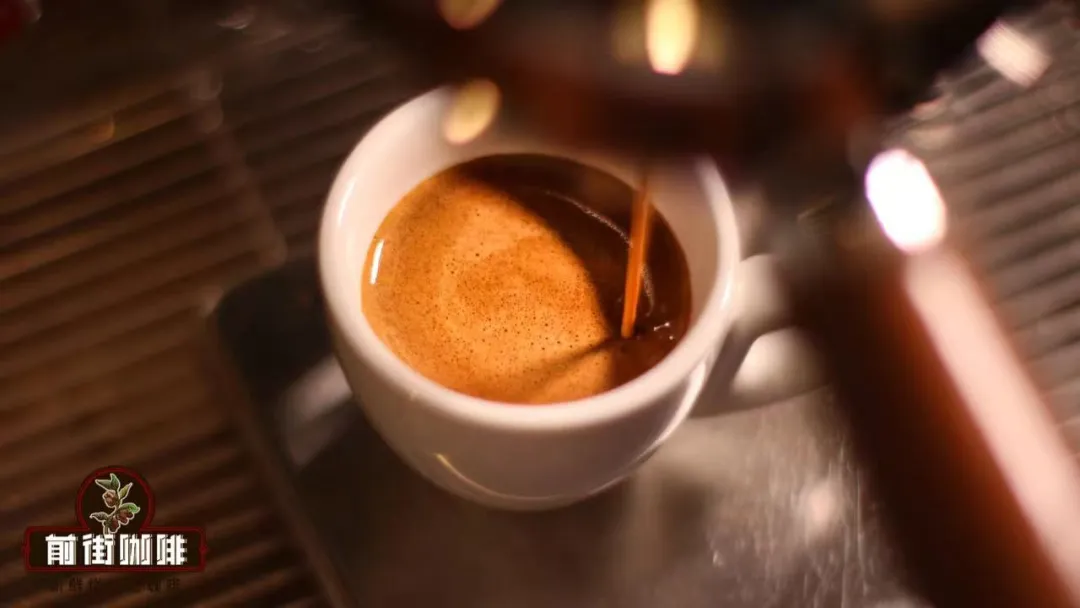
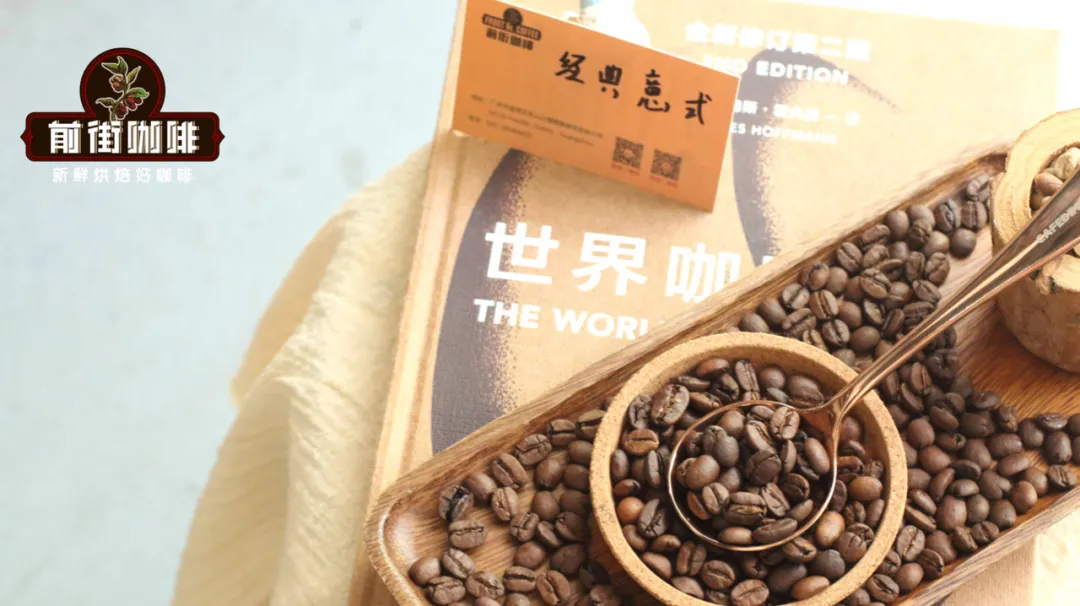
For extracting the espresso, it’s recommended to use dark roasted beans to achieve intense caramel and chocolate flavors. Testing showed that a dose of 20 grams, a brew ratio of 1:2, and an extraction time of 30 seconds produce a shot with rich crema and concentrated aromas. Pour the freshly brewed espresso over the hot tangyuan—ideally positioning the tangyuan directly under the spout for even coating.
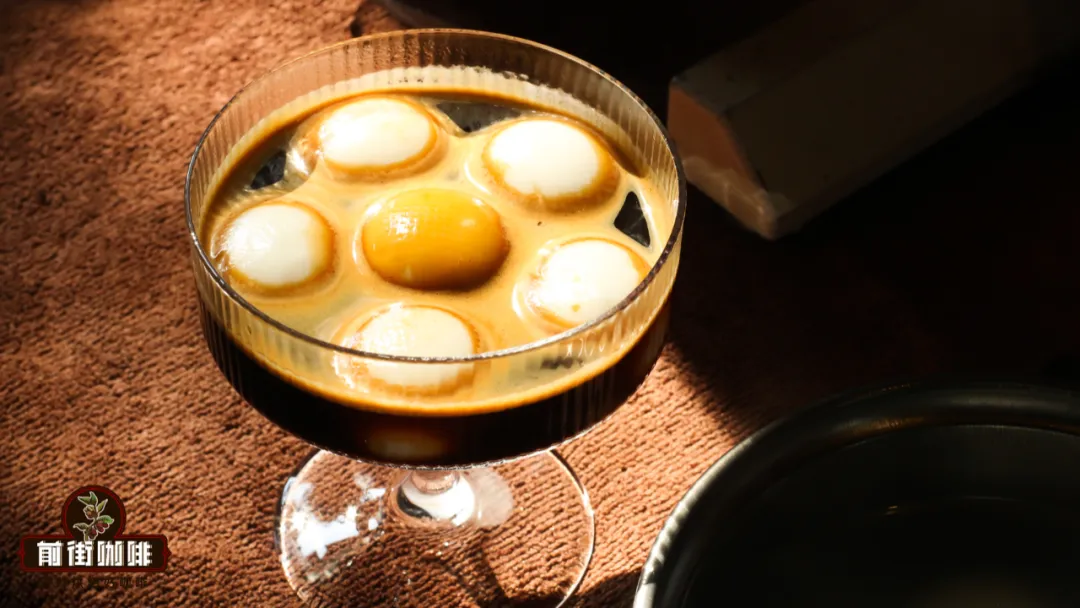
Dark roast coffee pairs classically with black sesame tangyuan. The bold notes of chocolate, nuts, and caramel beautifully complement the sweetness of the sesame filling. When tasted, the slight bitterness of the coffee contrasts with the sweet stickiness of the tangyuan, offering a layered flavor experience, with the aroma continuing to unfold in the mouth upon chewing.
If you prefer a brighter flavor profile, try a medium roasted coffee bean. Our test with the Strawberry Sugar · Geisha blend showcased fruity notes such as strawberry and citrus, with more pronounced acidity that interestingly complements the sweet tangyuan. Different roast levels offer distinctly varied flavor experiences—feel free to experiment based on your personal taste.
This creative dessert is especially fitting for the Winter Solstice or Lantern Festival, adding a fresh twist to traditional customs. Be sure to brew the espresso fresh for optimal flavor, and opt for traditional black sesame or peanut-filled tangyuan to achieve better synergy with the coffee aroma. Testing confirms that this isn’t a bizarre creation, but rather a surprising and delightful festive beverage.
The above content is compiled by CoffeeHunters, a coffee news website.


