







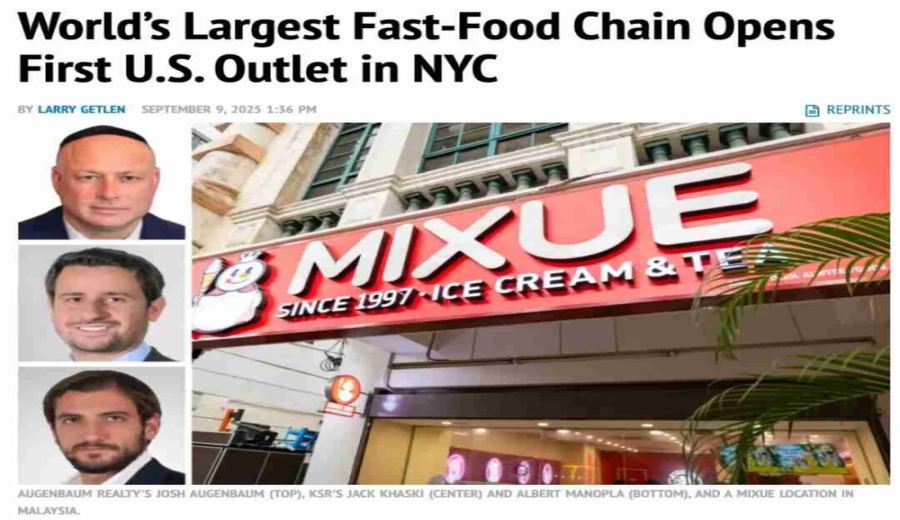
Introduction:Chinese budget tea chain Mixue is reportedly gearing up to enter the U.S. market, with its first location planned at the bustling intersection of New York City’s Chinatown and TriBeCa neighborhoods. The store will occupy prime commercial space with an annual rent as high as $340,000, posing significant operational cost challenges. This article delves into Mixue’s site selection strategy, rental pressures, and market opportunities, exploring whether it can break through in a Starbucks-dominated market with its low-price approach.
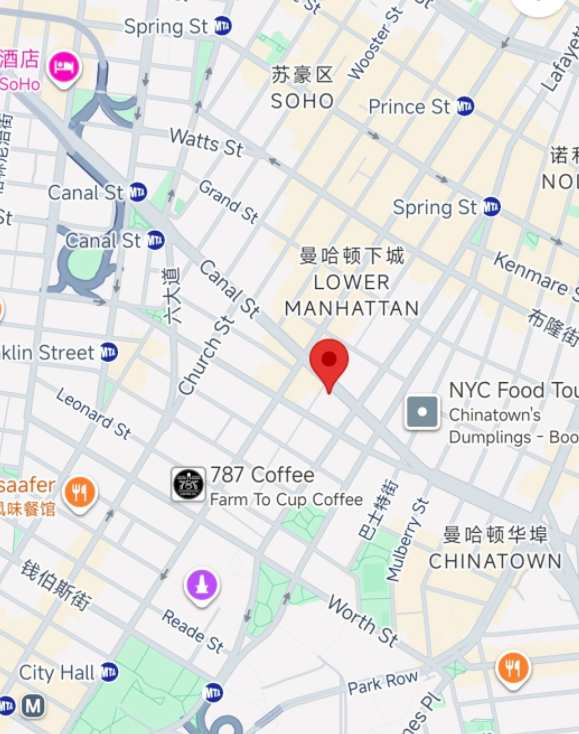
Recent market reports indicate that the well-known Chinese budget tea brand Mixue plans to open its first overseas store in Manhattan, New York, at 266 Canal Street — situated right at the border between Chinatown and TriBeCa. The approximately 195-square-meter (2,100-square-foot) space comes with an annual rent exceeding $340,000, translating to a sky-high rate of $165 per square foot, placing it firmly within Manhattan’s elite “prime retail” category.
From a geographic standpoint, this planned store sits at the transitional zone between Chinatown and the SoHo district. It not only lies within reach of New York’s Chinese community but also near tourist hotspots and popular weekend leisure spots for locals. While the area is densely populated with cafes and restaurants, branded fresh tea beverage outlets are relatively scarce — making Mixue’s entry a potential game-changer to fill this market gap.
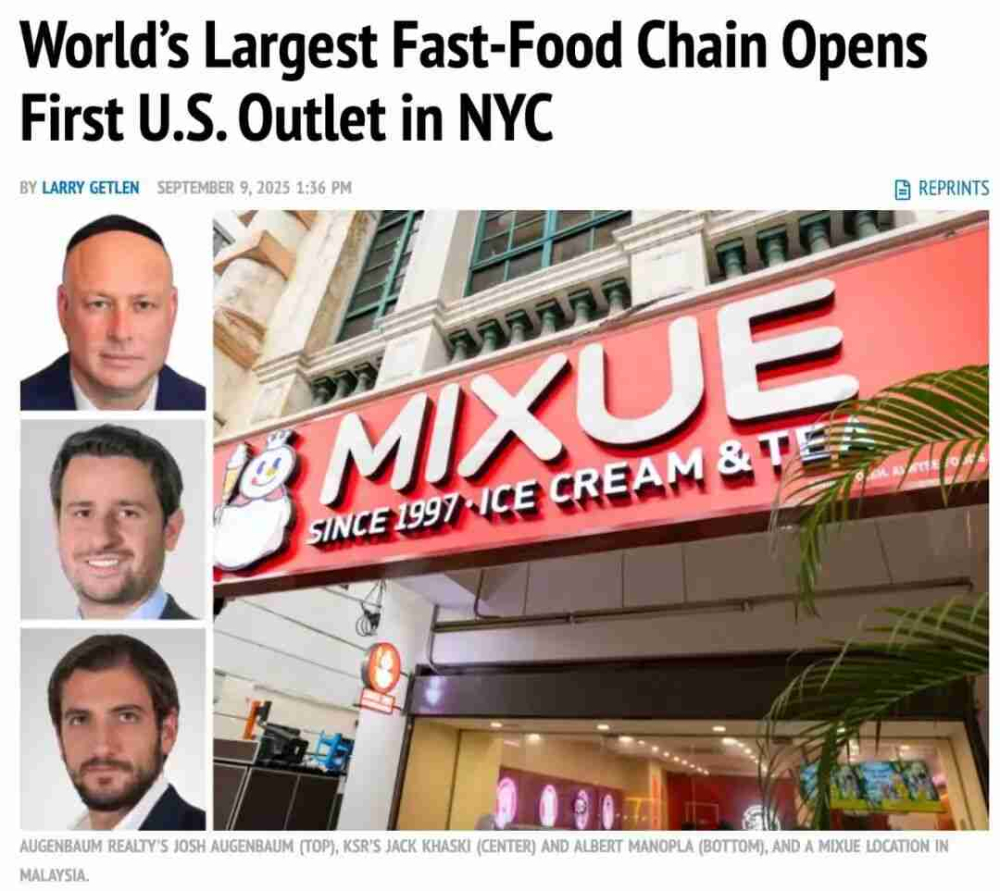
Sources reveal that the space was formerly occupied by the popular local Chinese restaurant “Fu Yao,” covering roughly 195 square meters under a 10-year lease. Based on a simple calculation — assuming a $4 lemonade sells for that price — Mixue would need to sell at least 300 cups per day just to cover the annual per-square-foot rent, highlighting the immense operational pressures it faces.
The process of opening a store in the U.S. is relatively complex. Property management firms typically assess how well a brand aligns with the local commercial environment and require both the tenant and brand to submit due diligence reports from separate institutions. Only after these are approved do negotiations on rent and deposits begin. Mixue’s lease deal is reportedly facilitated by international real estate consultancy CBRE.
Although Mixue has not officially announced its U.S. expansion plans or provided a specific opening timeline, photos taken by netizens show that the storefront currently remains untouched, with no construction hoardings or renovation work underway. Additional reports suggest Mixue might open its first U.S. location in Los Angeles as early as November, while simultaneously preparing for a branch on Prince Street in Flushing, Queens.
Market analysts widely believe that Mixue has long been planning its entry into the U.S. market and is positioning itself as a competitive force against international brands like Starbucks. Brand sources have revealed that preparations for flagship stores in both the U.S. East and West Coast regions are already underway, signaling an acceleration in its global expansion efforts.
However, Mixue’s low-price expansion model, which proved highly successful in China, may face hurdles in the U.S. market. High rents, labor costs, and overall operational expenses could force the brand to revise its pricing strategy. For example, a lemonade that sells for 4 RMB (approximately $0.55 USD) in China might need to be priced at around $4 in overseas markets — raising questions about whether it can maintain its image as an affordable brand.
In summary, Mixue’s move into Manhattan is not only a crucial step in its internationalization journey but also a rigorous test of its cost-control capabilities and adaptability to new markets. Whether it can successfully carve out a niche in Starbucks-led premium tea and coffee segments with its value-driven strategy will be closely watched by industry observers.
The above content is compiled by CoffeeHunters, a coffee news website.


