








Introduction:Cold brew coffee is made by steeping coffee grounds in cold water for an extended period. It is generally believed that lower temperatures reduce the risk of over-extraction, yet many users still often complain about the final product being overly bitter, having a rough mouthfeel, or carrying off-flavors. In reality, these issues often stem from several common mistakes, including using the wrong water temperature, selecting the wrong coffee bean variety, steeping for too long, and using an improper coffee-to-water ratio. This article delves into the principles behind these four common pitfalls and offers practical recommendations on grind size, water temperature, steeping duration, and coffee-to-water ratio to help you consistently brew smooth, well-layered cold brew coffee.
Cold brew coffee is produced by steeping coffee grounds in cold water over a long period. Not only is the brewing process simple, but due to the characteristics of low-temperature extraction, the risk of over-extraction is relatively low. However, in practice, many coffee enthusiasts still complain that their cold brew has noticeable bitterness, astringency, or off-flavors. In fact, the problem often lies in four common operational blind spots: using hot water for blooming or warm water for steeping, choosing coffee beans that are roasted too dark, steeping for too long, and using a coffee-to-water ratio that is too high, resulting in overly strong coffee.

Generally speaking, cold brew refers to the method of extracting coffee by steeping coffee grounds in cold water. Compared to hot water brewing, the cold brew process is gentler, and situations of excessively high extraction efficiency are less likely to occur, which should theoretically make it even less prone to over-extraction. However, if not done properly, poor flavor can still arise—especially when over-extraction occurs, as it tends to draw out large-molecule bitter and astringent substances, negatively affecting the overall taste.
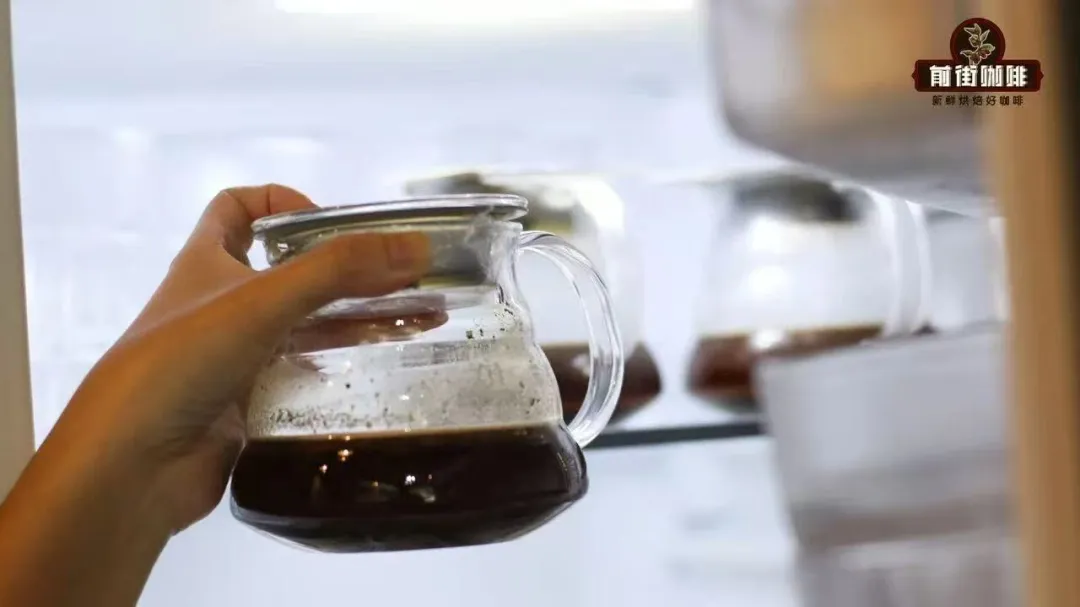
First, many people mistakenly believe that increasing the water temperature can speed up the extraction process—for example, by using hot water for blooming or warm water for steeping. These so-called “heretical” methods of cold brewing may shorten the brewing time, but they also significantly increase the risk of over-extraction. Since high temperatures accelerate the release of bitter compounds and impurities, if the grind is too fine or the steeping time is not well controlled, the coffee can easily become both bitter and off-flavored. If you wish to shorten the extraction time, it is recommended to first adjust the grind size and steeping duration rather than hastily using water warmer than room temperature. To play it safe, it’s best to steep with water at room temperature.
Secondly, using dark-roasted coffee beans is another common mistake. Dark roast beans typically have intense smoky, sweet, and bitter flavors, but their bean structure is looser, making them more prone to releasing impurities and undesirable flavors. If combined with too long a steeping time or too fine a grind, these unwanted substances can easily dissolve in large amounts into the coffee liquid. If you prefer a clean, low-bitterness cold brew, it is recommended to choose medium or light-roast coffee beans, such as those with fruity or floral flavor profiles, which can deliver a more balanced flavor.
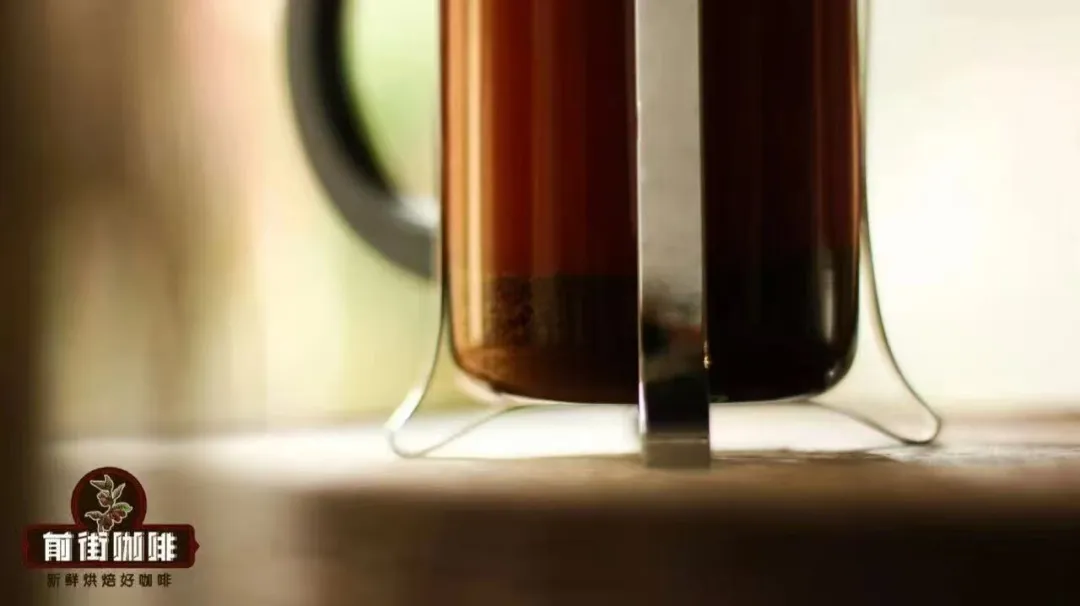
In addition, steeping for too long is also a major cause of bitterness in cold brew. Although cold brew doesn’t require the precise timing that hot brewed coffee does, it is still advisable to keep it within a reasonable time frame. Based on experience, when using room temperature water, a coffee-to-water ratio of about 1:10, and a grind size that allows 75% to 80% of particles to pass through a No. 20 sieve, the recommended steeping time is between 8 to 12 hours. If you are unable to complete the filtration on time, it is recommended to use a slightly coarser grind, which can extend the safe extraction window and help avoid over-extraction.
Finally, the coffee-to-water ratio is also a key factor affecting the taste of cold brew. Some users report that even when following standard parameters and using light-roast beans, the coffee still tastes overly bitter or strong. This is often not due to over-extraction, but rather because the concentration of the coffee liquid itself is too high. For example, the commonly used 1:10 coffee-to-water ratio is usually intended to be diluted later with ice; if you skip the dilution step and drink it directly, you’re likely to perceive a strong, bitter flavor.
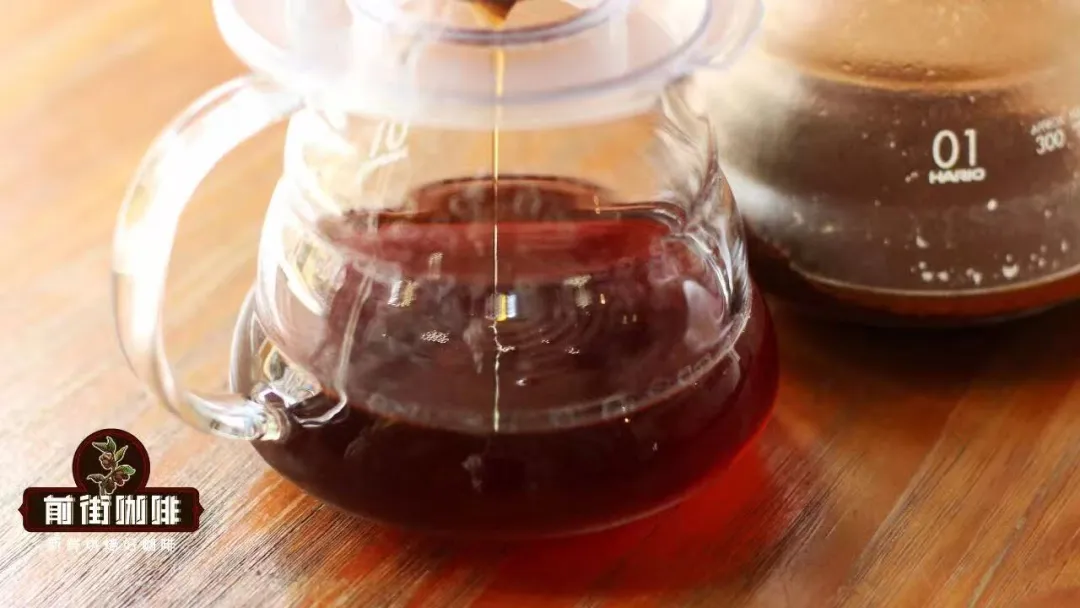
If you’ve already completed the steeping but find the coffee too strong, you can adjust it to a more suitable taste by adding ice or water. If you haven’t started brewing yet and don’t plan to dilute it afterward, it is recommended to adjust the coffee-to-water ratio to 1:12. This ratio will produce a coffee liquid that has a smoother and more layered taste, making it suitable for direct consumption or for fine-tuning according to personal preference.
In summary, to brew a cup of cold brew coffee that is not bitter, not astringent, and has a balanced flavor, the key lies in controlling the water temperature, choosing coffee beans with the appropriate roast level, precisely managing the steeping time, and adjusting the coffee-to-water ratio to suit your taste. If you find that your cold brew always turns out too bitter, consider revisiting these four common mistakes. After making targeted adjustments, you too can easily enjoy a rich and smooth cold brew coffee.
The above content is compiled by CoffeeHunters, a coffee news website.


