







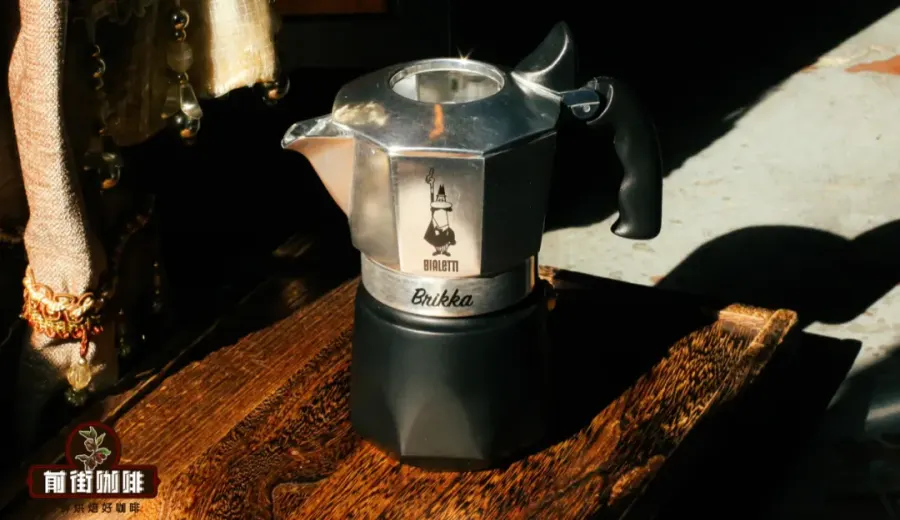
Introduction:After getting a new moka pot, you’ve probably heard the advice: “Pour out the first three brews.” But do you really know why? This article dives deep into why it’s necessary to clean and season a new moka pot, the correct operation steps, and often overlooked details like cleaning the filter and rubber gasket—helping you enjoy espresso flavors with peace of mind and avoid off-flavors or impurities that could affect taste.
Thanks to its affordable price, ease of use, and ability to brew rich coffee similar to espresso, the moka pot has become a top choice for many coffee beginners. It’s not only convenient for home use but also easy to carry around, making it very popular. However, when you buy a new moka pot, you’ll often see in the manual or be reminded by customer service: “Do not drink the first few brews; it’s recommended to discard them.” This is actually part of the seasoning process for a new pot, aimed at removing any foreign substances or oil residues that may have been left during manufacturing and transportation.
To ensure every brew is pure and free from off-flavors, it’s recommended to perform three extractions with a new moka pot and discard the resulting coffee. This isn’t just common advice—it’s an important step to ensure the moka pot is in good condition. Through this process, you can effectively remove metal fines, processing oils, or dust, preventing them from affecting the flavor of subsequent brews.
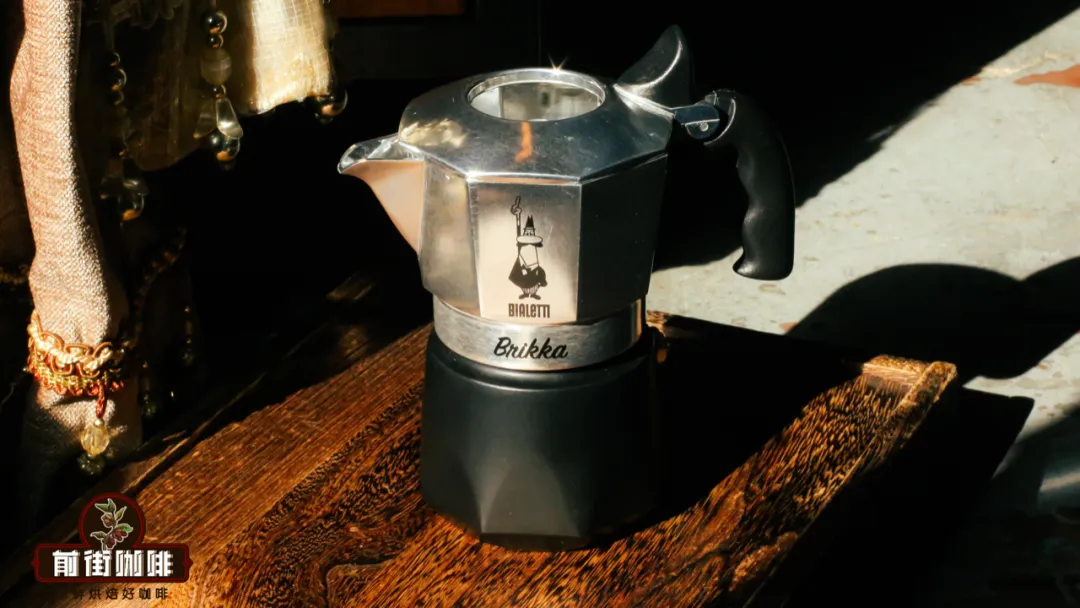
The charm of the moka pot lies in its relatively simple structure, yet it can achieve an espresso-like concentration at a relatively low cost. It mainly consists of an upper and lower chamber, a coffee chamber, a filter, and a rubber gasket—compact and portable. Some users even collect one simply because they like its appearance, making it a coffee tool that offers both practicality and decorative value.
However, many people wonder when they get a new pot: “Why can’t I drink the first three cups?” This is related to seasoning—essentially, the first deep clean. The moka pot is made up of multiple metal parts, and although it’s basically cleaned before leaving the factory, some tiny crevices—like the water channel at the bottom of the coffee chamber or the coffee outlet—may still retain small metal particles or anti-rust oil films, which could enter the coffee liquid during the first extraction.
Cleaning with just boiling water is limited in dealing with these potential impurities. That’s because the brewing principle of the moka pot relies on steam pressure generated by heating to push water through the coffee grounds, creating a certain amount of pressure to extract flavor. This pressure also helps deeply clean the internal structure of the pot, especially those corners where water flow doesn’t easily reach. If you only boil water, the pressure might be insufficient to completely remove residues.
Therefore, it’s recommended to use coffee grounds for the first three extractions to simulate normal usage, which ensures that any possible foreign substances are thoroughly flushed out. If you don’t want to waste high-quality coffee beans, you can choose beans that are past their prime, have a milder flavor, or are more budget-friendly to complete the seasoning process, and then switch to your preferred beans afterward.
In practice, the seasoning steps are not complicated—it’s basically following the regular moka pot usage process: add an appropriate amount of coffee grounds to the coffee chamber, press them down lightly, pour hot water into the lower chamber (making sure the water level doesn’t exceed the safety valve), then place the coffee chamber into the lower chamber, assemble the upper and lower chambers and tighten them securely. Next, place the moka pot on the heat source, and once the coffee liquid has fully flowed out, discard the coffee and clean the pot. Repeat this process two to three times, or even four if needed, to ensure a more thorough clean.
Additionally, there’s a commonly overlooked detail: the moka pot’s filter and rubber gasket are removable. You can gently pry them out with your fingers or a small tool. These parts can also accumulate coffee residue and oils, and if not cleaned carefully, they may release unpleasant odors during later use, affecting the overall coffee flavor. Therefore, it’s recommended to remove the filter and gasket during each seasoning clean, and wash them with water or clean them with a soft brush to ensure no residue is left behind.
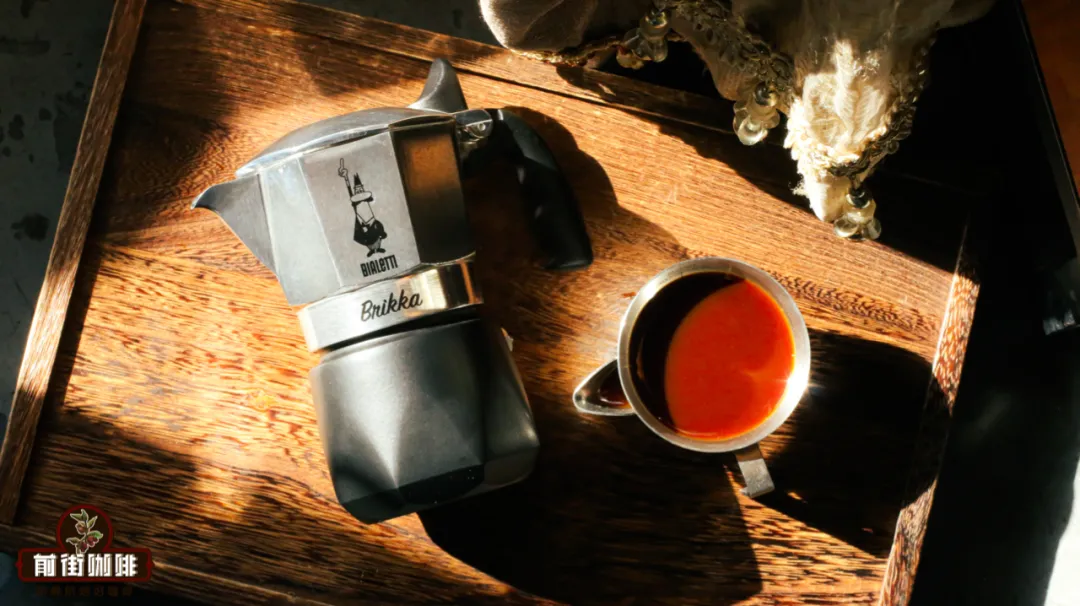
In summary, the reason for discarding the first three brews from a new moka pot is to achieve deep cleaning and component break-in through actual brewing. Using coffee grounds instead of just water effectively removes any internal metal shavings or oils that may remain, while also checking whether the pot’s seal and water flow are functioning normally. As long as you master the correct seasoning method and pay attention to the detailed cleaning, your moka pot will deliver optimal extraction and flavor performance from the very first cup.
The above content is compiled by CoffeeHunters, a coffee news website.


