







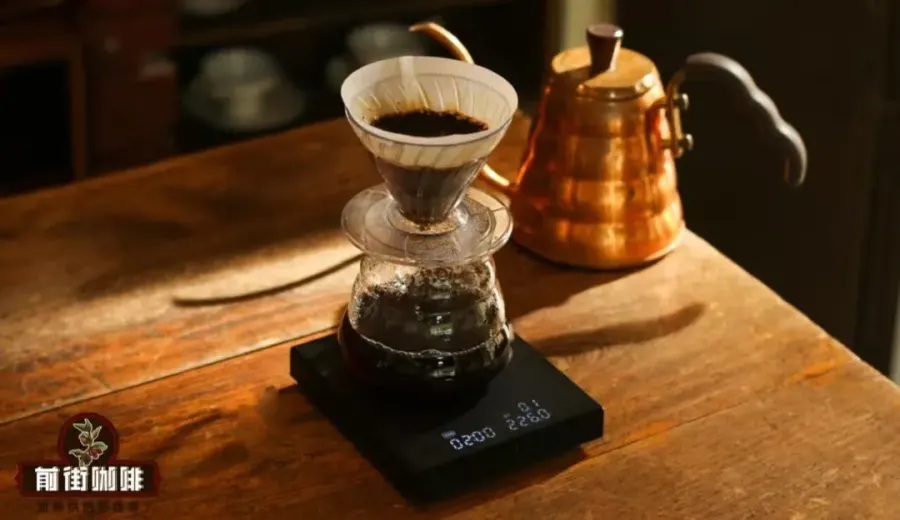
Introduction:Recording the extraction time during pour over brewing is not just about keeping rhythm—it’s a key tool for diagnosing brewing issues. Many coffee beginners think time isn’t important, but in fact, by observing brew time, you can quickly identify whether your grind size, pouring technique, or filter choice is appropriate. This article delves into why tracking time matters, what different time intervals may indicate about extraction problems, and how to adjust grind size, pouring method, and equipment setup to make every brew more stable and outstanding.
During the pour over process, many coffee enthusiasts habitually start the timer when they begin pouring water, though some believe it’s just a formality with little impact on the final flavor. However, while recording extraction time doesn’t directly control flavor, it helps us assess whether overall brewing parameters are reasonable—especially when adjusting grind size, pouring technique, or switching equipment. Time is the most intuitive reference metric.
This article will take you deeper into why tracking time during pour over is necessary, and what problems might be revealed when extraction is too fast or too slow—such as grind being too fine or too coarse, improper pouring technique, or even an unsuitable filter. With these observations, you can make more targeted adjustments to further enhance the stability and flavor performance of each pour over.
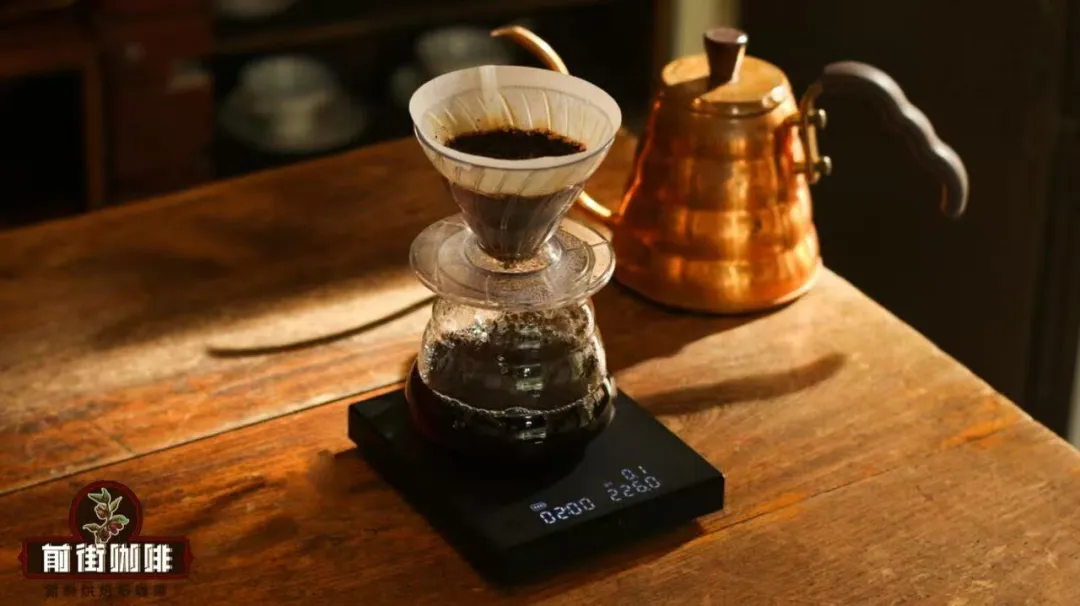
First, the so-called “extraction time” refers to the total duration that hot water is in contact with the coffee grounds, usually starting from when the first drop of water touches the grounds until you reach your intended total water volume. The length of this period directly affects how much flavor material is extracted from the coffee. Other variables being equal, the longer the time, the more ample the contact between water and coffee, resulting in more extracted substances; conversely, the shorter the time, the fewer compounds are drawn out.
It’s important to note that time itself is not a parameter we can directly set, unlike water temperature, coffee dose, or grind size, which can be manually adjusted. But it is a highly sensitive “resultant parameter” that reflects whether other operational variables are appropriate. For instance, if your extraction time consistently finishes in under one and a half minutes, it may indicate overly fast flow, with water passing too easily through the coffee bed; if it exceeds two and a half or even three minutes, it could mean the flow is too slow, likely due to excessively fine grind or over-tamping.
Therefore, the greatest value of recording time lies in helping us “reverse-engineer” potential sources of problems, especially when trying new beans, new grind settings, or changing pouring methods. Time provides immediate feedback, helping you find the optimal extraction range more quickly.
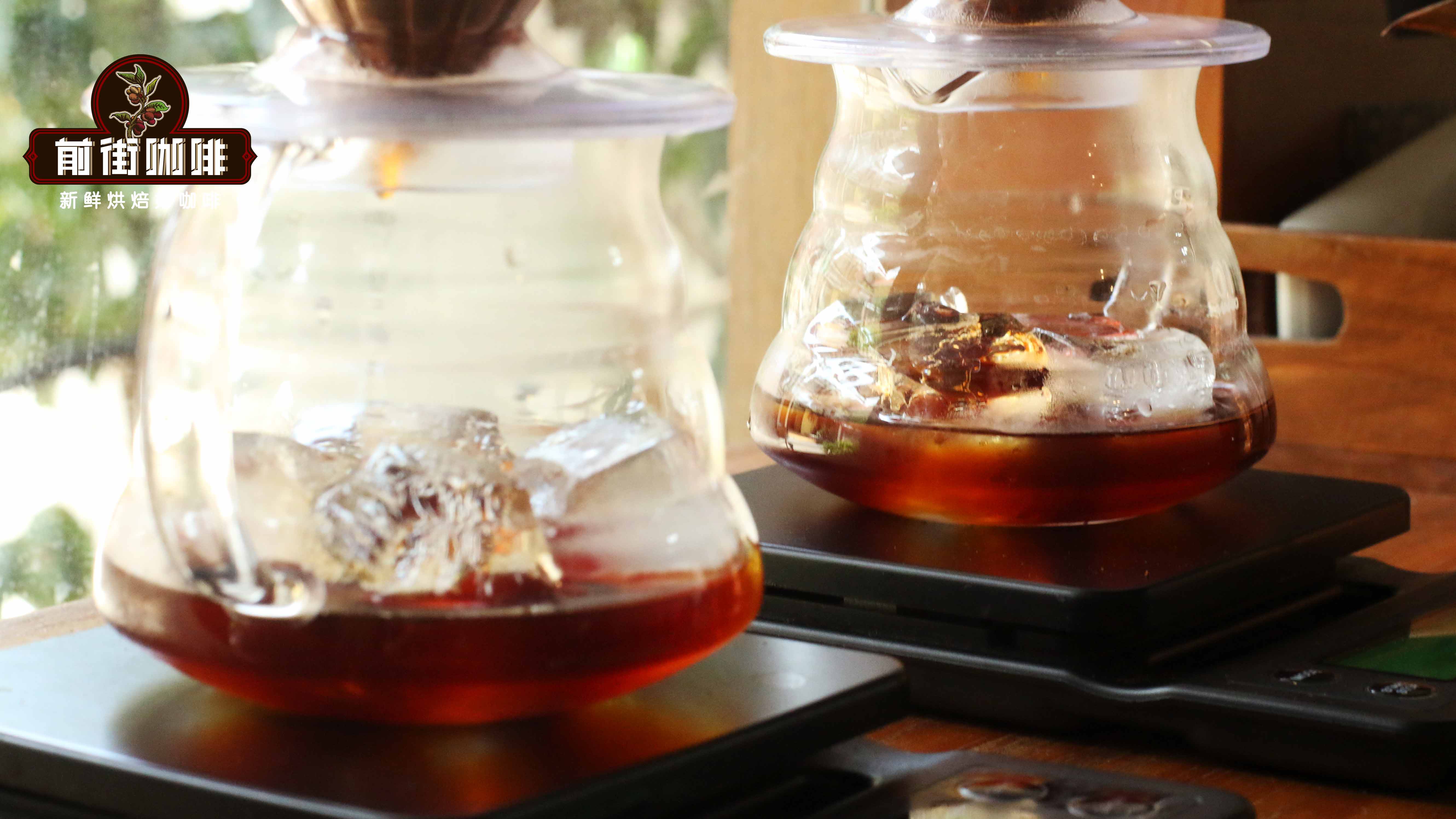
Among the many factors influencing extraction time,grind sizeanddoseare among the most direct variables. Simply put, the finer the coffee is ground, the smaller the gaps between particles, increasing resistance to water flow and thus lengthening extraction time; conversely, coarser grinds have larger gaps between particles, allowing water to pass more quickly and shortening extraction time.
For example, when using 15 grams of medium-roast blended beans, such as the common Panamanian Huali Flower, with a target extraction time of 2 minutes, if you find the actual time exceeds 2 minutes, it likely means the grind is too fine, creating excessive flow resistance; if the time is under 2 minutes, the grind may be too coarse, allowing water to pass too quickly and failing to fully extract the flavors. Of course, each bean has unique characteristics—some benefit from slightly coarser grinds to preserve bright acidity, while others require finer grinds to bring out sweetness and body. Therefore, time is only an auxiliary reference, and flavor performance should remain the ultimate guide.
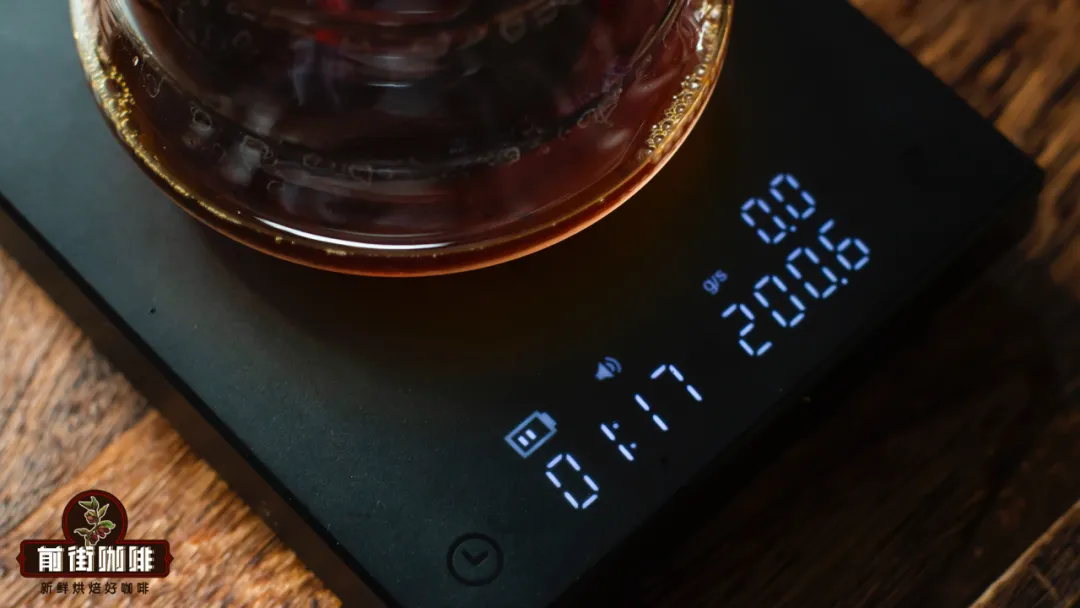
Besides grind size,pouring technique and number of poursare also key techniques affecting extraction time. If you’re used to using a small stream and performing multiple pours, the water’s penetration through the coffee bed slows down, extending the overall extraction time; conversely, using a large stream with only one or a few pours allows faster water flow, shortening extraction time.
Understanding how different pouring strategies affect time can help you make real-time adjustments during brewing. For instance, if you notice the water flowing much faster than usual, it may indicate under-extraction, and you can switch to a smaller stream and increase the number of pours to effectively extend water-contact time, avoiding sharp acidity or thin mouthfeel. This ability to adjust on the fly is key to how many experienced baristas consistently deliver stable, uniform flavors.
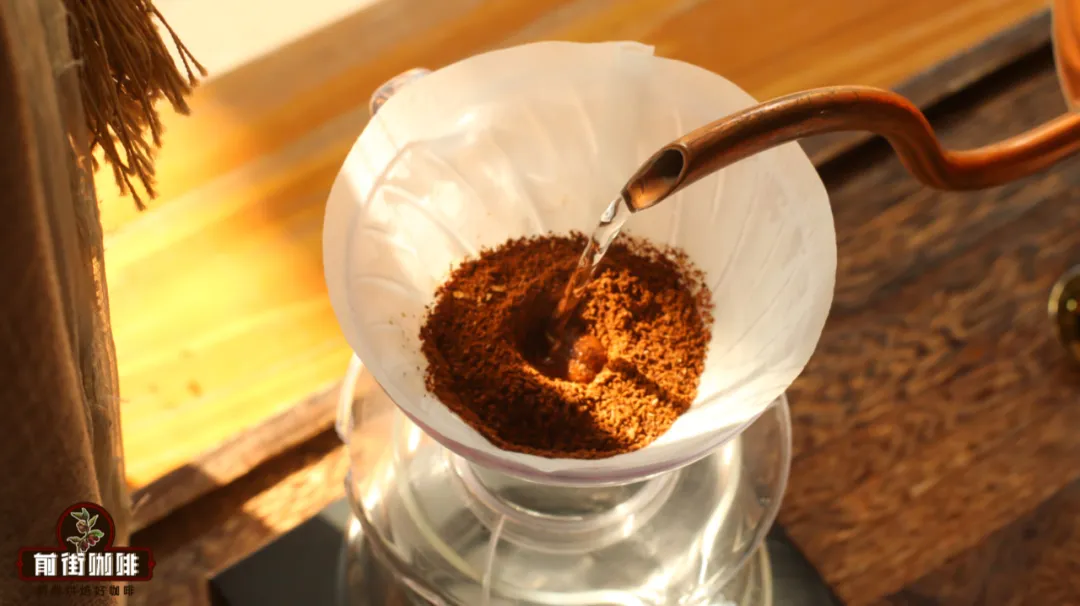
Finally, don’t overlookthe impact of coffee equipmenton extraction time. Filter cones with different designs—such as the V60 and Kono—can yield completely different extraction results even with the same grind size and pouring method. The V60, with its multiple flow-guiding ribs and large bottom hole, typically allows faster water flow and shorter extraction time; the Kono, with fewer ribs and a smaller hole, creates a more tortuous water path, naturally resulting in longer extraction time.
Additionally, the material and thickness of the filter paper also influence water flow speed—for example, thicker or denser paper may slightly slow down water drainage, thereby extending extraction time. Therefore, if you want more precise control over extraction, besides adjusting grind and technique, you can also try different filter cone designs or filter papers from various brands to observe their effects on both time and flavor.
The above content is compiled by CoffeeHunters, a coffee news website.


