







Introduction:Have you ever wondered why pour over coffee beans can be used just a few days after roasting, while espresso beans are often recommended to rest for several more days? In fact, this difference is closely related to roast level, carbon dioxide degassing time, and extraction methods. This article delves into the core reasons behind the differing resting periods for these two types of coffee, exploring how roast degree affects carbon dioxide production, the sensitivity of pressure-based espresso extraction to degassing levels, and includes practical advice to help you master the optimal resting timing for various coffee beans—ultimately improving your brew quality.
Should the coffee beans you just bought be brewed right away? Many coffee enthusiasts have this question: typically, pour over beans only need to rest for three to seven days, while espresso beans are often advised to rest for several more days. Where does this difference come from? The answer involves a combined influence of roast level, carbon dioxide release, and extraction method. Understanding these factors allows you to arrange the resting period of your coffee beans more scientifically, resulting in more stable and flavorful brews.
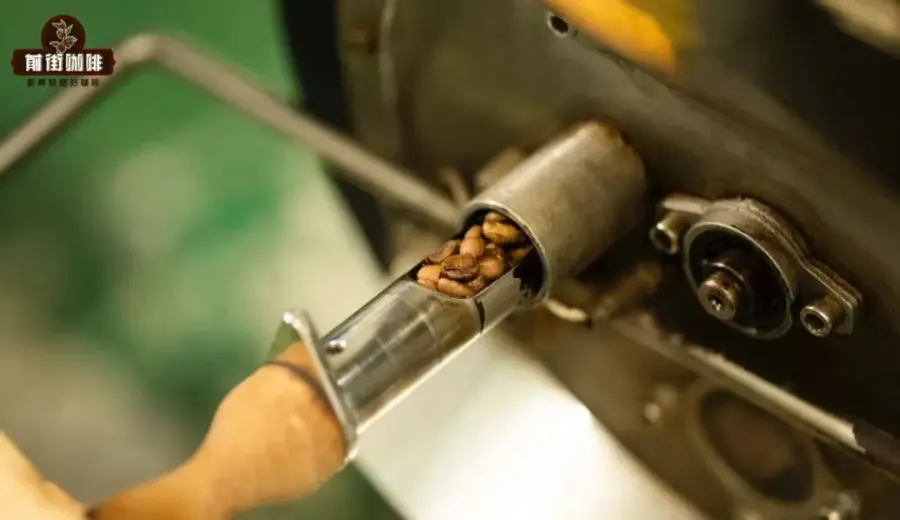
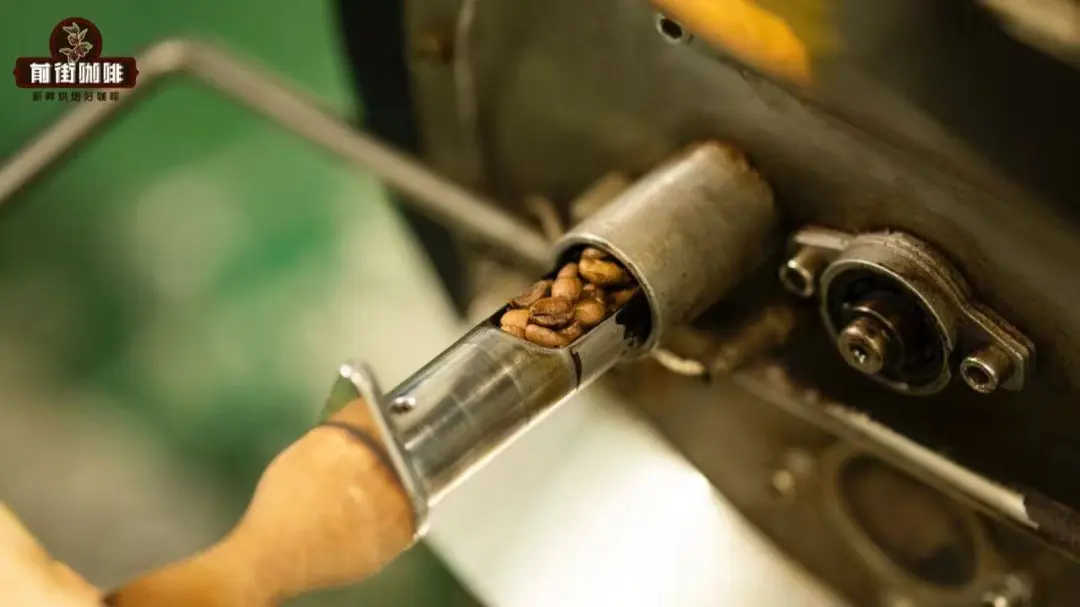
Shortly after roasting, coffee beans continue to produce and release a large amount of carbon dioxide—an process commonly referred to as “degassing.” If not allowed to rest properly, excess carbon dioxide can interfere with the contact between water and coffee grounds, affecting extraction evenness and flavor expression. Therefore, giving the coffee beans some time to “breathe”—also known as the resting period—is an essential step to ensure a smooth extraction.
In actual brewing experience, common pour over coffee beans usually require a resting time of around three to seven days, depending on roast level. But for espresso beans, it’s generally recommended to let them rest a few extra days, a difference that puzzles many. After all, they’re both coffee beans—why the different needs? The key lies in differences in roast strategy and extraction conditions.
First, let’s look at roast level.Espresso beans are usually roasted darker than pour over beans.This roast choice is primarily made to enhance the coffee’s sweetness, reduce sharp acidity, and increase overall flavor richness and consistency. Especially when these beans are used to make milk-based drinks like lattes, cappuccinos, or flat whites, a deeper roast ensures that the coffee base is “strong” enough not to be completely overshadowed by the flavors of the milk.

For example, some coffee bean subscriptions offer Ethiopian Guji Hambela Konga beans with two roast options: a light to medium roast suitable for pour over or cold brew, and a medium roast ideal for espresso extraction. The lighter roast preserves more floral and fruity aromas, highlighting the delicate single-origin characteristics, while the medium-dark roast emphasizes caramel and nutty tones, better complementing milk for a rich and smooth taste. This shows how the roast profile is adjusted based on the intended brewing method, which in turn influences resting requirements.
Moreover, the darker the roast, the more carbon dioxide is generated inside the beans. This is because high-temperature, long-duration roasting promotes more chemical reactions within the bean, including the accumulation of carbon dioxide. Therefore,espresso beans, being generally roasted darker, require more time to release the internally trapped gasesbefore reaching an optimal state for extraction.

In addition,the espresso extraction method is another major reason for the longer resting period. Common brewing methods such as pour over, cold brew, French press, or siphon all take place under normal atmospheric pressure. While excessive carbon dioxide may affect extraction efficiency, its overall impact on final flavor remains within an acceptable range. Espresso, on the other hand, is extracted under high pressure (around 9 bar) in an extremely short time, using very fine grind size and relatively high water temperature—making it an extreme extraction condition.
In this high-pressure environment, if the beans still contain a lot of carbon dioxide, it can not only disrupt the speed and uniformity of water flowing through the coffee bed, but may also lead to under-extraction or over-extraction, resulting in espresso that tastes either too sharp or dull. Furthermore, due to the short extraction time and small output volume, there’s almost no ample opportunity for carbon dioxide to release naturally. Therefore,ensuring the beans are fully degassed and stabilized in advance is crucial to the success of espresso extraction.

Some coffee lovers might think, if the same coffee bean variety and roast level are used for both pour over and espresso, would the resting time be the same? In practice, it is still recommended thatespresso beans have a slightly longer resting period than pour over beansto ensure that carbon dioxide does not affect the stability of high-pressure extraction. This is especially important for home users or those with smaller coffee machines, where stable extraction is key to maintaining consistent daily coffee flavor. Proper resting helps avoid repeated parameter adjustments, saving both time and coffee bean costs.
In summary, the factors determining the length of the resting period include: roast level, the intended use of the coffee beans (pour over or espresso), and the pressure and conditions of the extraction environment. Understanding these underlying principles not only helps you arrange the use of your coffee beans more scientifically, but also allows you to enjoy the optimal flavor performance tailored to each brewing method.

The above content is compiled by CoffeeHunters, a coffee news website.


