







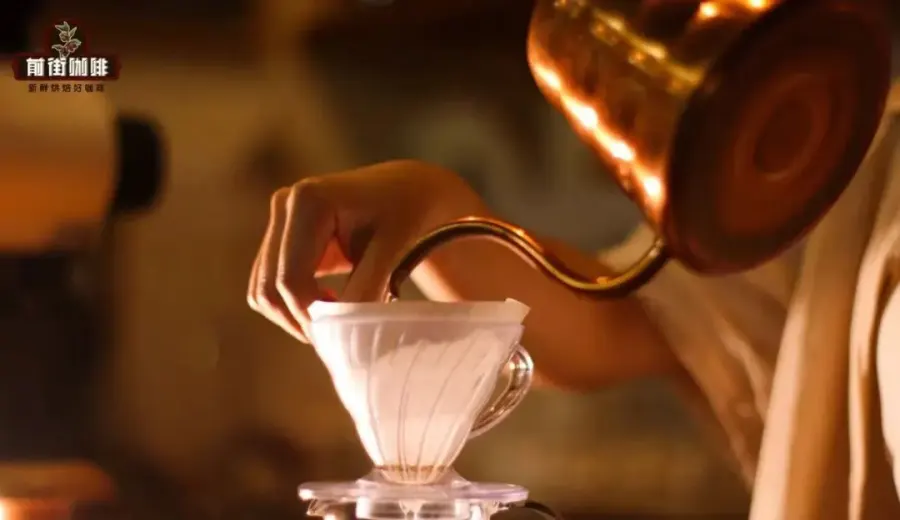
Introduction:Wetting the filter paper is a fundamental step in pour over brewing, but the choice of water temperature can subtly alter extraction results and coffee flavor. This article delves into how hot versus cold water affects filter softening, extraction efficiency, and coffee temperature, offering practical advice tailored to different filter cone materials—such as ceramic and resin—to help you find the most suitable wetting method and elevate your overall brewing quality.
In the pour over process, the seemingly simple step of wetting the filter paper actually involves quite a few details. Among them, the temperature of the hot water you use to dampen the filter directly impacts the final coffee flavor and extraction effect. This article will analyze the different effects of using hot or cold water to wet the filter from three key perspectives: filter condition, extraction efficiency, and final coffee temperature. Supported by actual observations and test results, it aims to help you make a more informed choice.
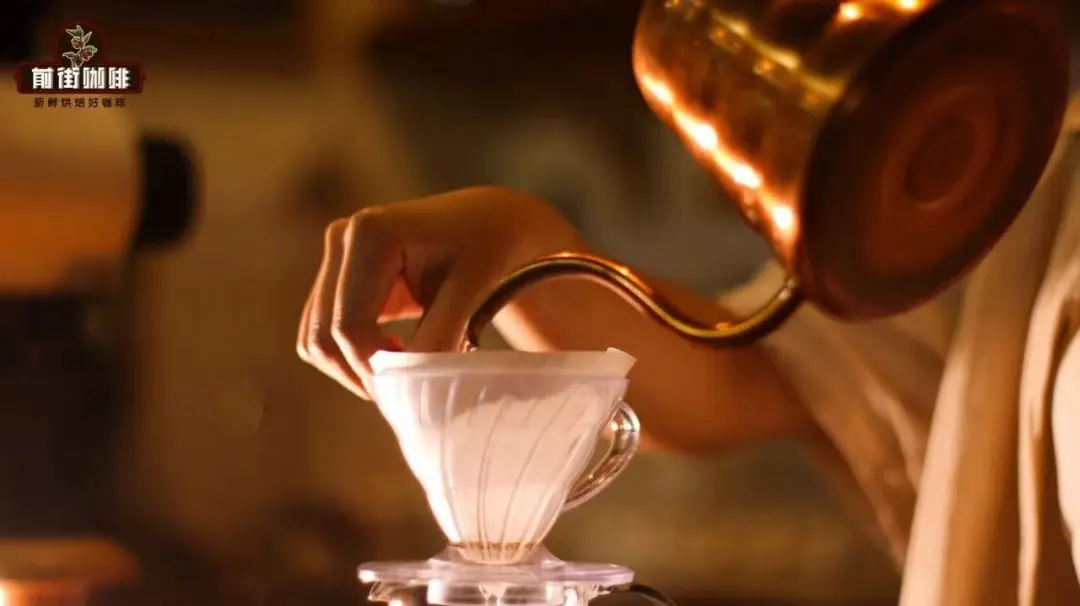
First, the water temperature used during filter wetting directly affects the state of the filter paper itself. As everyone knows, temperature influences the speed of molecular movement—the higher the water temperature, the more active the water molecules; the lower the temperature, the slower their activity. This also reflects on the filter paper: when you use hot water to moisten it, the filter softens more quickly, and any inherent pulp odor in the paper is also more rapidly volatilized and released due to the high temperature.
If the filter paper you’re using has a noticeable paper taste, it’s recommended to pre-wet it with hot water. This helps remove most of the pulp odor, preventing these off-flavors from affecting the purity of the subsequent coffee. However, if the filter paper is already very low in odor or even odorless, you can decide the next water temperature based on other factors such as the material of the filter cone.
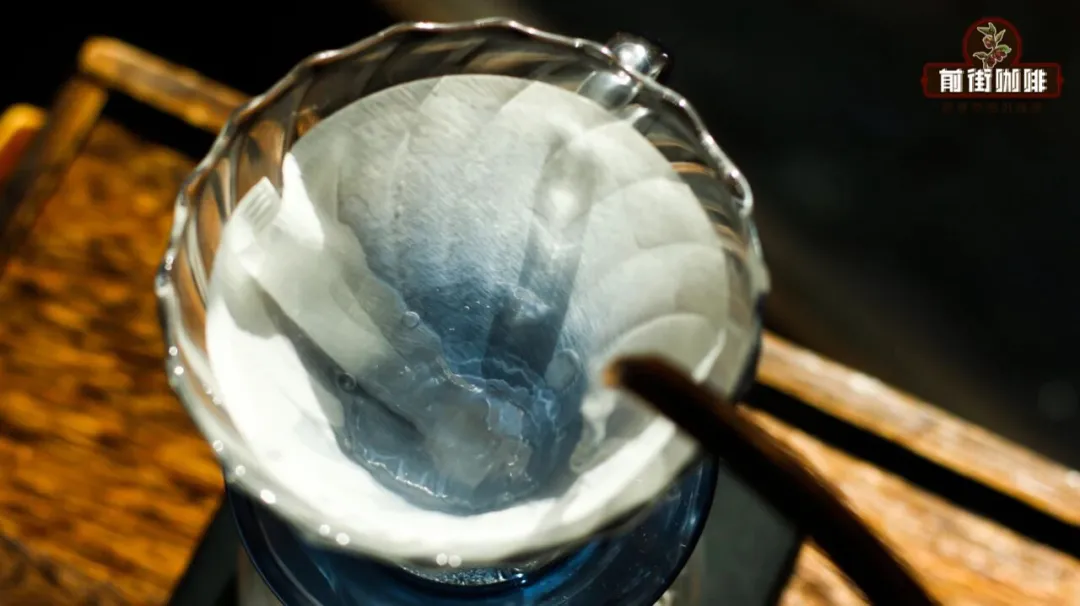
The water temperature used for wetting the filter also indirectly influences overall extraction efficiency, especially in relation to the material of the filter cone you're using. Common types of filter cones on the market include ceramic, glass, resin, and metal, each with different thermal conductivity and specific heat capacities. For example, ceramic filter cones have a higher specific heat capacity and thermal conductivity. Without preheating, they continuously absorb heat from the hot water during brewing, thereby lowering the water temperature during extraction and ultimately affecting flavor release.
This phenomenon can reduce extraction efficiency, resulting in fewer soluble substances being extracted from the coffee, often leading to coffee that tastes sweeter but lacks complexity. However, preheating the filter cone with hot water before brewing can effectively minimize this heat loss, maintaining a stable extraction environment and allowing flavor compounds to be fully released.
Therefore, if you’re using a filter cone made of easily heat-absorbing materials like ceramic or resin, it’s advisable to use hot water during the filter-wetting stage. This not only softens the filter but also raises the temperature of the cone, preventing it from rapidly absorbing heat upon contact with hot water and thus avoiding negative impacts on overall extraction efficiency. This dual effect is especially important for brewers aiming for balanced flavors and complete extraction.
Another noteworthy detail is the final temperature of the coffee, which can also be influenced by the water temperature used to wet the filter—especially when you place the filter cone on a server and use the filter-wetting water to preheat the server as well. Since the server absorbs some heat when it comes into contact with the coffee liquid, failure to pre-warm it can cause the coffee to cool down, affecting flavor performance.
According to actual observations, using a preheated server can maintain the final coffee liquid temperature above 70°C, whereas an unpreheated server may result in a temperature of around only 65°C. This seemingly small difference actually impacts taste perception—higher coffee temperatures dull the tongue’s sensitivity to nuanced flavors, making it harder to detect delicate aromas and acidity-sweetness layers. In contrast, a slightly cooler coffee can make its layers and aromas more pronounced.
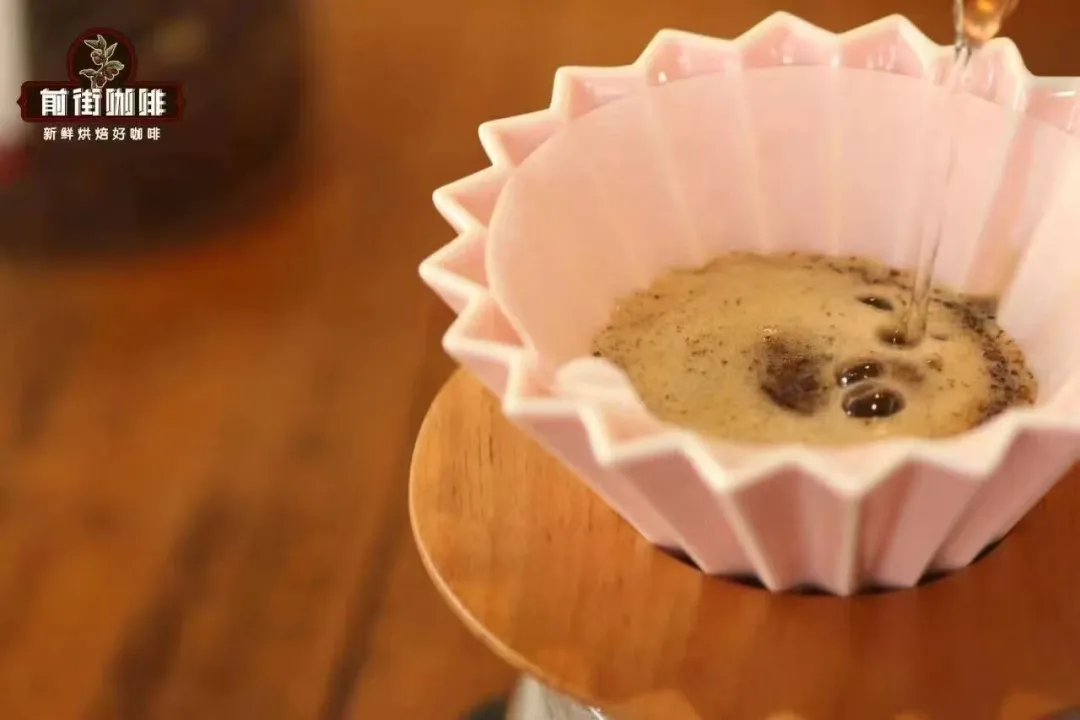
Therefore, if you wish to experience a sharper flavor profile when drinking, you might choose not to use hot water to wet the filter or preheat the server, allowing the coffee to present more delicate characteristics at a slightly lower temperature. Conversely, if the ambient temperature is low or you prefer your coffee to stay warm for longer, using hot water not only helps achieve the ideal state for both the filter and filter cone, but also slows the rate of coffee cooling, making the overall drinking experience more comfortable.
In summary, the choice of water temperature for wetting the filter isn’t just about hot or cold—it involves a combined influence of filter condition, filter cone material, and final coffee temperature. Whether you’re a beginner or an experienced coffee enthusiast, you can adjust your brewing routine based on these details to craft a pour over experience that better suits your personal taste preferences.
The above content is compiled by CoffeeHunters, a coffee news website.


