








Introduction:Many beginners who are new to pour over coffee often encounter a common issue: the brewed coffee tastes neither bitter nor astringent, but the flavors are vague and indistinct, making it difficult to identify specific layers. Many assume it’s a problem with the beans themselves, but in reality, the brewing process is the key factor. This article delves into the four most common reasons why coffee flavors may turn out muted—such as overly high concentration, over-extraction, using beans that are too fresh, or water that is too hard—and provides detailed adjustment suggestions and practical tips to help you easily optimize your pour over experience, enhancing both clarity and layering in your coffee's flavor.
Many beginners who are just starting to explore pour over coffee often run into a frustrating situation: the brewed coffee isn’t unpleasant to drink, but the flavors are always hazy and hard to clearly distinguish. Many people initially blame the coffee beans themselves, thinking “this bean just doesn’t have prominent flavors,” and thus give up on making further adjustments. In fact, many times the lack of clarity isn't the fault of the beans, but rather due to certain variables during the brewing process not being properly controlled. Based on actual brewing experience, we’ve identified four of the most likely key factors that lead to muted coffee flavors: high coffee concentration, over-extraction, beans being too fresh, and high water hardness. Next, we’ll analyze the causes of these issues one by one and provide corresponding adjustment strategies to help you rediscover the rich flavors that pour over coffee should offer.

First and foremost, one of the most common reasons is that the coffee’s concentration is too high. We often say that a coffee’s flavor performance is closely related to its concentration. When the coffee concentration exceeds the appropriate range, the mouth and nose receive an overly dense amount of flavor compounds in a short period of time, which can actually dull the sense of taste, making it difficult to discern subtle flavor variations. It’s like trying to recognize a familiar face in a crowded place—it’s hard to pick out. Similarly, when there are too many flavor compounds in the coffee, the signals received by the brain get jumbled together, ultimately resulting in a vague overall impression.
Solving this problem isn’t actually very difficult. You can either increase the amount of water used during brewing, or dilute the coffee after brewing using bypass water (by pass), both of which can effectively lower the concentration and make the flavors clearer and more distinguishable. But it’s important to note that often the high concentration isn’t because we deliberately adjusted the coffee-to-water ratio, but rather because we’ve been sticking to the same set of parameters without considering the characteristics of different coffee beans. For example, some coffee beans have a lower density and are inherently easier to extract—even using the common 1:15 coffee-to-water ratio might still result in a relatively high concentration, which in turn affects flavor clarity. If you find that the coffee you brew tastes strong but lacks layers, with no noticeable brightness or over-extracted bitterness and off-flavors, then it’s very likely due to excessive concentration. In this case, try adding an extra 10–20 milliliters of water during brewing, or dilute the brewed coffee afterward with the same amount of bypass water. Usually, this will significantly improve flavor expression.

The second common reason is over-extraction. When the bitter compounds and impurities in coffee are excessively released, the flavors that should be highlighted end up being masked, making the overall flavor profile seem blurred. The human palate is quite sensitive to bitterness and off-flavors, and even a slightly higher proportion of these components can easily interfere with our perception of other flavors.
Common causes of over-extraction include using a grind size that’s too fine, water temperature that’s too high, brewing time that’s too long, or excessive agitation. All of these factors increase extraction efficiency and cause undesirable substances in the coffee to be released excessively. If the over-extraction is only mild, usually adjusting just one variable is sufficient—for example, using a coarser grind, lowering the water temperature, shortening the brewing time, or reducing the intensity of agitation. But if the over-extraction is already quite severe, with the bitterness being very pronounced, then it’s necessary to re-evaluate whether the entire set of brewing parameters is suitable for that particular bean, and make comprehensive adjustments.

The third factor to pay attention to is using coffee beans that are too fresh. Many people might think that freshly roasted coffee beans have the most vivid flavors, but in reality, beans that are too fresh can actually lead to muted flavors in the brewed coffee. The key lies in the fact that newly roasted coffee beans continue to release large amounts of carbon dioxide in a short period of time. These gases not only affect the contact between hot water and coffee grounds, reducing overall extraction efficiency, but can also bring about undesirable under-extraction issues. In addition, freshly roasted beans often still retain some roasting harshness, which can also interfere with flavor expression. Coupled with the dual impact of under-extraction, the resulting coffee naturally struggles to showcase clear flavor layers.
To improve this issue, there are generally two approaches. The traditional method is to let the beans go through a period of resting (aging) until the carbon dioxide and harshness naturally dissipate before brewing. Typically, light-roasted beans are recommended to rest for 3–5 days, while dark-roasted beans can have their resting period appropriately extended. Another method is to adjust the brewing parameters to improve extraction efficiency—for example, grinding the beans in advance, using a finer grind size, raising the water temperature, extending the blooming time, increasing the number or intensity of stirring, etc. These methods can all effectively address the challenges posed by freshly roasted beans.
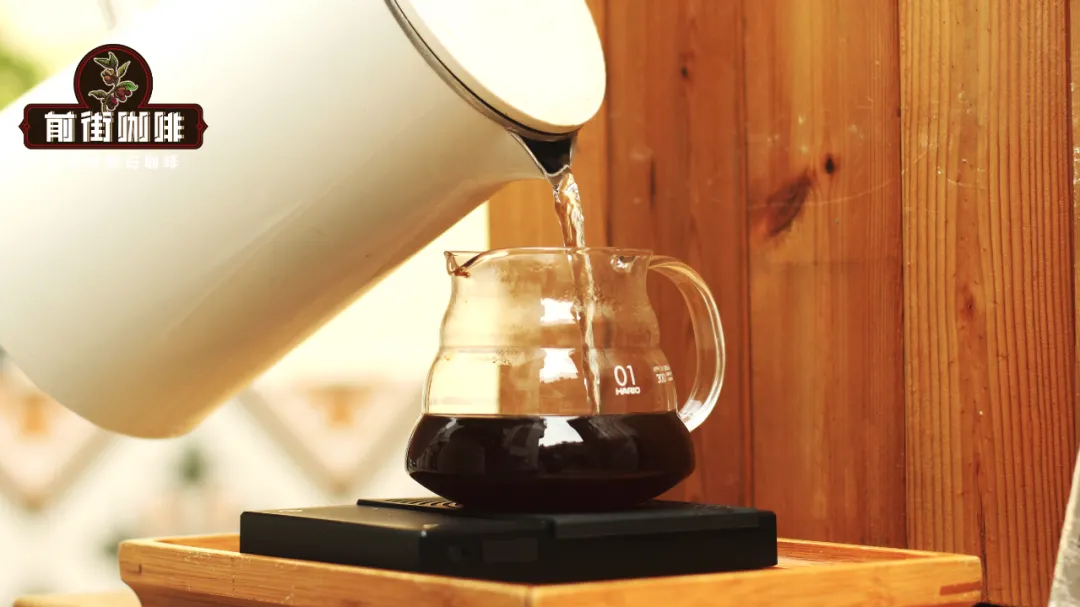
Finally, there is one often overlooked but extremely important factor: the hardness of the water used for brewing. Water may appear colorless and tasteless, but it is one of the key elements affecting coffee flavor. The mineral content in water determines its softness or hardness, and either extreme—too hard or too soft—can impact the solubility of flavor compounds in the coffee. According to World Health Organization standards, water with a hardness below 200ppm is considered soft, and above that is hard. However, for coffee brewing, the Specialty Coffee Association (SCA) recommends using water with a hardness between 75–250ppm, with the ideal value around 150ppm. In practice, many brewing experiences show that water with a hardness below 100ppm is more likely to produce coffee with clear flavors.
If the water at home is too hard, it is recommended to switch water sources or use properly filtered water for brewing coffee. A special reminder: do not directly use untreated tap water, because although the tap water in some cities meets soft water standards, it often lacks minerals that aid in flavor extraction. This can not only affect the taste of the coffee, but also, with long-term use, it can easily lead to scale buildup in kettles, increasing cleaning difficulty. Simple filtration treatment can significantly improve brewing results.
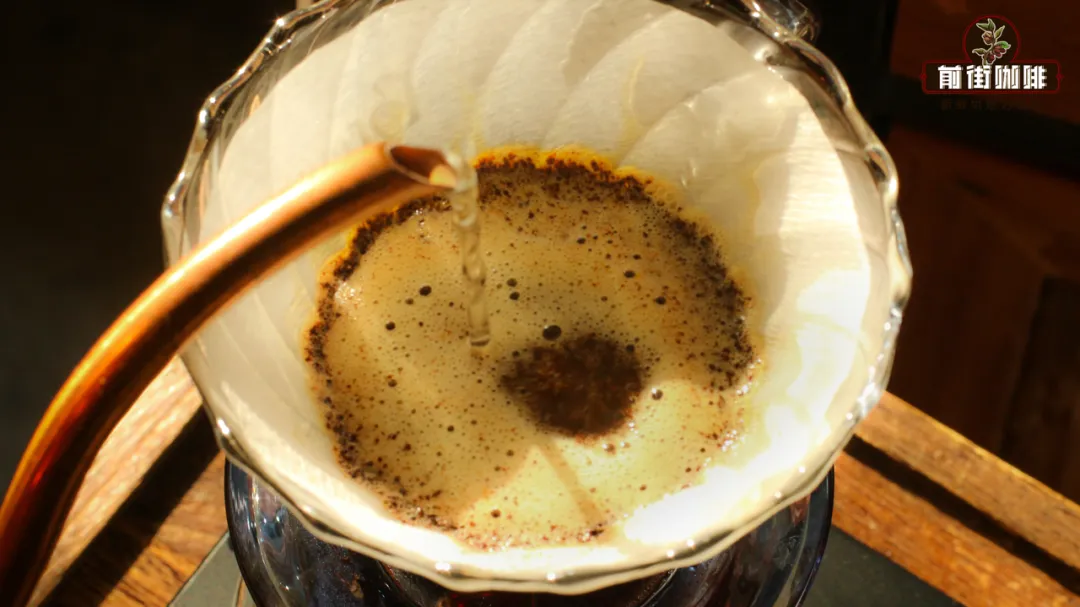

In summary, the reasons for muted coffee flavors usually lie hidden among several key variables in the brewing process, including concentration, extraction efficiency, bean freshness, and water quality. By adjusting the coffee-to-water ratio, optimizing grind size and water temperature settings, planning the resting time of beans appropriately, and choosing the right water source, you can effectively improve the flavor performance of your pour over coffee, making the flavor layers of each cup clearer and more distinct. Feel free to gradually troubleshoot and adjust your brewing process based on the suggestions above, and enjoy a more delicious pour over coffee experience.
The above content is compiled by CoffeeHunters, a coffee news website.


