








Introduction:Many people wonder if milk can be used as a substitute for water in pour over brewing, but those who try it often find it difficult to extract desirable flavors. This article delves into the challenges of using milk as an extraction medium—from temperature control, concentration effects, to flow rate bottlenecks—to explain why milk is not suitable for drip-style pour over, and offers more feasible alternatives to help coffee enthusiasts understand the science and practical limitations involved.
In recent years, some coffee enthusiasts have tried replacing water with milk for pour over brewing, aiming to create a unique milky coffee experience. However, the results often fall short of expectations, with satisfying flavors proving hard to achieve. In fact, not only pour over, but even drip bags using milk face the same issues. At the root of the problem are three key limitations: extraction temperature, coffee liquor concentration, and flow performance—factors that make milk an unsuitable medium for drip-style pour over.

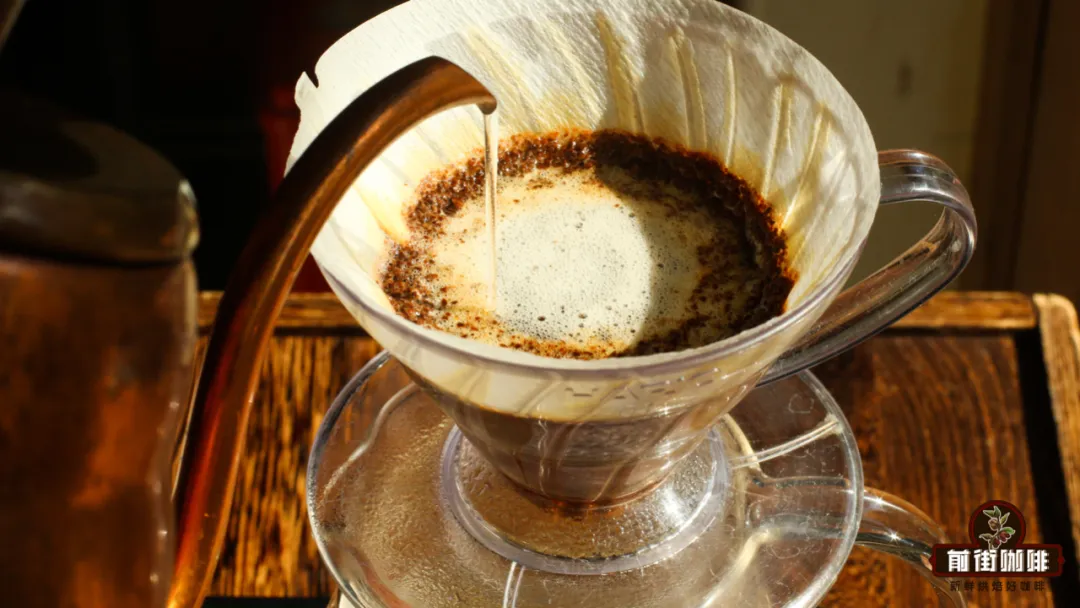
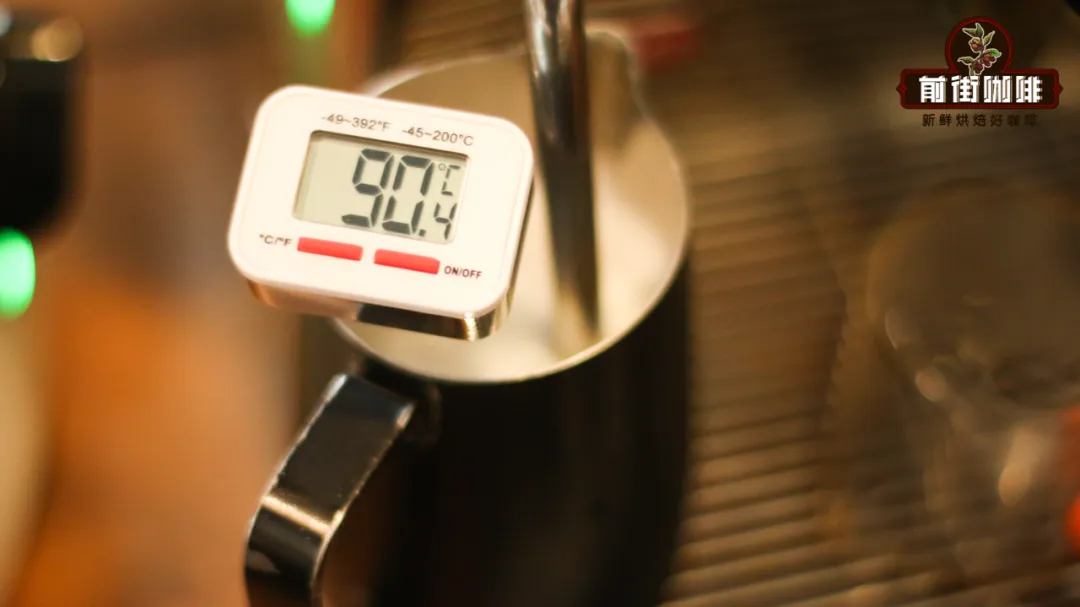
Let’s first discuss the issue of temperature. Generally speaking, when brewing coffee, water temperatures typically range between 90°C and 96°C, which helps effectively extract the acidity, sweetness, and bitterness compounds from the coffee. Milk, however, is completely different. The ideal drinking temperature for hot milk is around 65°C, and should not exceed 70°C. Once the temperature goes beyond this, although lactose in the milk may release sweetness more noticeably, it also tends to damage the protein and fat structure of the milk, making the texture thinner and the sweetness actually decrease.
The problem lies in the fact that70°C is already the lower threshold for extracting coffee flavor compounds; any lower, and the aromatic substances and acidic-sweet components in the coffee will struggle to dissolve adequately. Therefore, when using milk for pour over, we want the temperature to be high enough to bring out the coffee flavors, yet not exceed the tolerance limit of the milk—creating an irreconcilable contradiction.
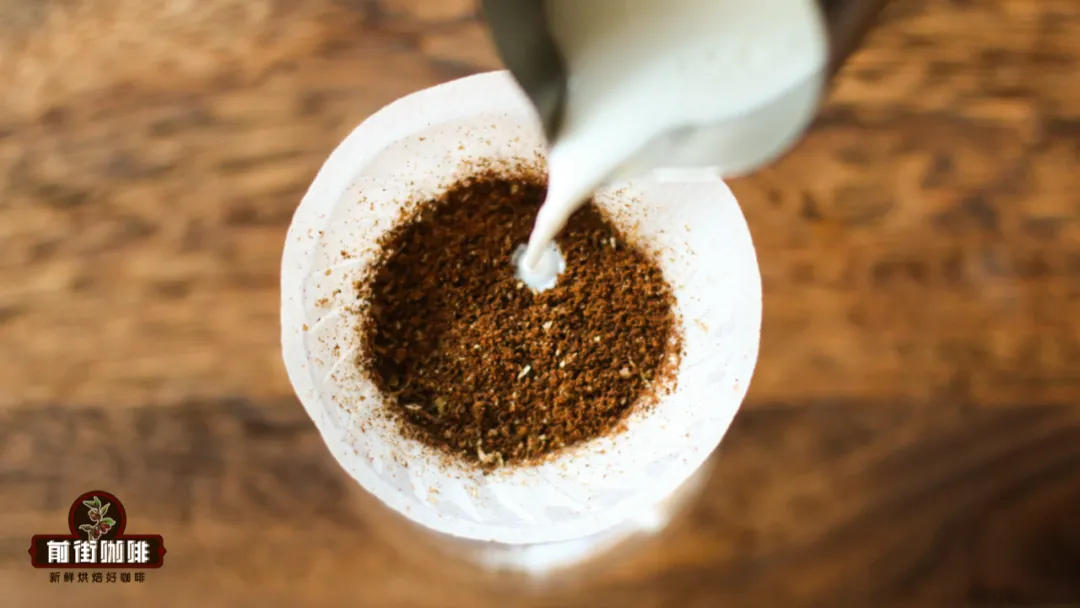
Next, let’s look at the impact of concentration. The concentration of milk itself is much higher than that of water, even thicker than espresso. During the extraction process, concentration gradient is the key factor that drives flavor compounds to move from coffee grounds into the liquid. When we use plain water for brewing, since water contains almost no solids, it can form a clear concentration difference with the coffee grounds, prompting the rapid dissolution of aromatic substances in the coffee.
However, milk already contains a large amount of lactose, fat, and proteins, which means the concentration difference between it and the coffee grounds is extremely small, leading to a very slow diffusion rate of flavor compounds. Even when heated to 100°C, milk still cannot extract the essence of coffee as quickly as water can. Practical tests have shown that even after heating the milk and steeping the coffee grounds for as long as 30 minutes, with stirring, what you end up with is a cup of coffee-flavored milk with noticeable astringency—far from an ideal flavor profile.
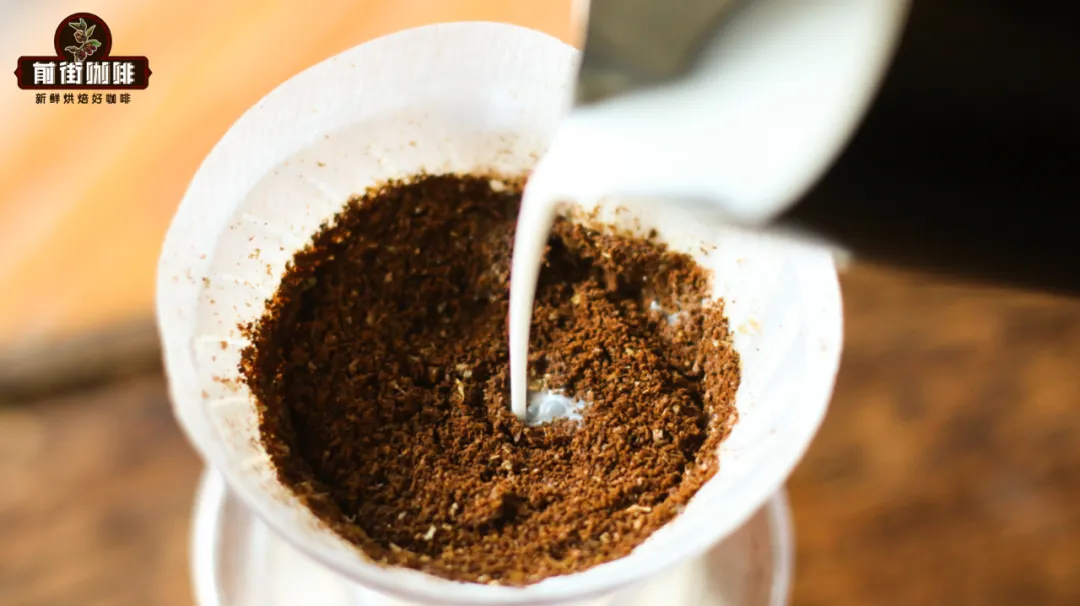
Finally, there’s the issue of flow rate. During the dripping process of pour over brewing, stable and moderate flow rate is crucial for even extraction. But when milk is used as the brewing liquid, its high viscosity causes the flow rate through the filter paper to drop sharply. In practical testing, using 225 ml of hot milk with 15 grams of coffee grounds for filtration, the flow rate was still acceptable for the first couple of minutes, but after the second minute, the drip speed slowed down noticeably, even to the point where only one drop would fall every few seconds.
By the eleventh minute, extraction had nearly stalled, and external force (such as poking the bottom of the filter paper with a needle) was required to let the remaining liquid through—but doing so can cause coffee grounds to enter the cup, affecting the mouthfeel. Even if extraction is eventually completed, the resulting flavors are thin and exhibit clear defects. Under such conditions, the drip-style extraction essentially becomes immersion-style, no different from directly soaking the coffee grounds in milk.
Combining these three points—temperature that can’t balance flavor and texture, high concentration causing slow extraction, and excessively slow flow rate rendering drip ineffective—we can clearly see that milk is indeed not suitable for traditional pour over (drip-style) coffee preparation. If you still want to experiment with extracting coffee using milk, it’s recommended to switch to immersion methods, such as cold brew or prolonged steeping, where extended extraction time and proper stirring can more fully release coffee flavors while avoiding the aforementioned bottlenecks.
If you’re really curious and want to try it yourself, it’s advised not to use a regular pour over kettle for holding milk, to avoid cleaning difficulties or equipment damage. More importantly, understanding these scientific principles will help you make wiser choices when selecting the appropriate brewing method—whether it’s traditional water brewing or innovative milk brewing—you’ll be better equipped to tailor your approach according to your needs.
The above content is compiled by CoffeeHunters, a coffee news website.


