







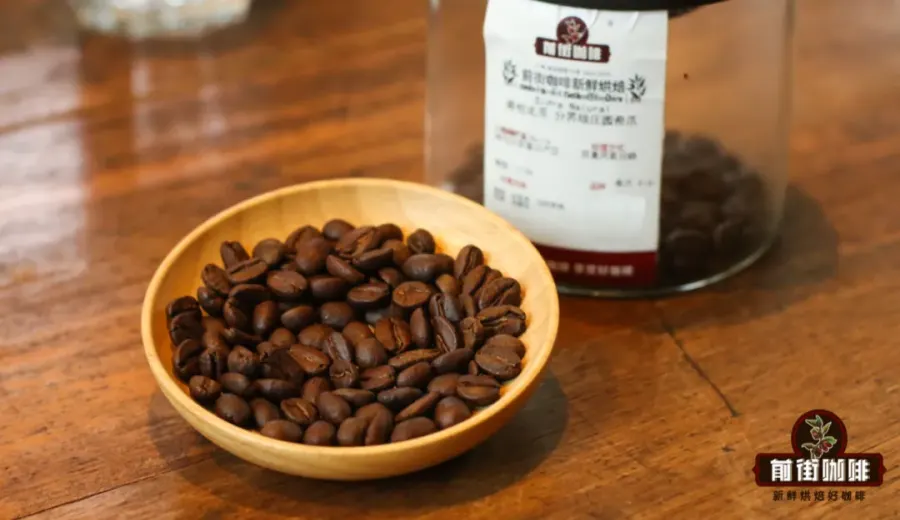
Introduction:Sidra is a coffee variety that has garnered significant attention in recent competitions and the specialty market, renowned for its intense fruity aroma and rich floral notes. This article delves into the variety’s origins and genetic background, and provides a complete set of parameters and practical tips for brewing an anaerobic natural Sidra from Finca La Línea in Colombia using the V60 three-pour method — allowing you to easily recreate the competition-level flavors of grape, passionfruit, apricot, and more.
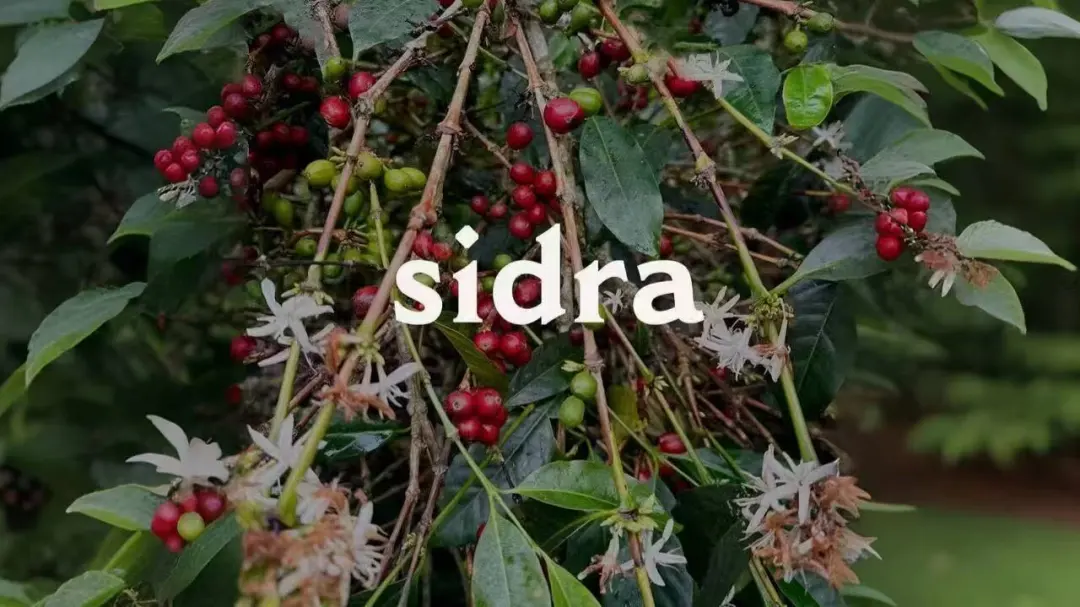
Sidra, also translated as “Sydra” or “Bourbon Sidra,” derives its name from the Spanish words for “apple juice” or “cider,” which already hints at its expected sweet-tart character. Since making a splash in world coffee competitions in 2022, this anaerobic natural Sidra from Colombia’s Finca La Línea has quickly become a dream bean for many coffee enthusiasts. Want to brew it at home and achieve layers of grape, passionfruit, apricot, and delicate floral notes? We’ll start with the variety’s origins, then guide you through key brewing techniques.
The origins of Sidra can be traced back to Ecuador. According to available information, it was one of the experimental varieties developed by the local coffee breeding center. At the time, the center was backed by a well-known enterprise focused on cultivating hybrid varieties that balanced yield and flavor. Although the program was eventually discontinued, some of the breeding results made their way to production regions — Sidra being one of them. Due to its resemblance in appearance to Typica or Bourbon, early farmers often mistook it for a descendant of these two varieties.
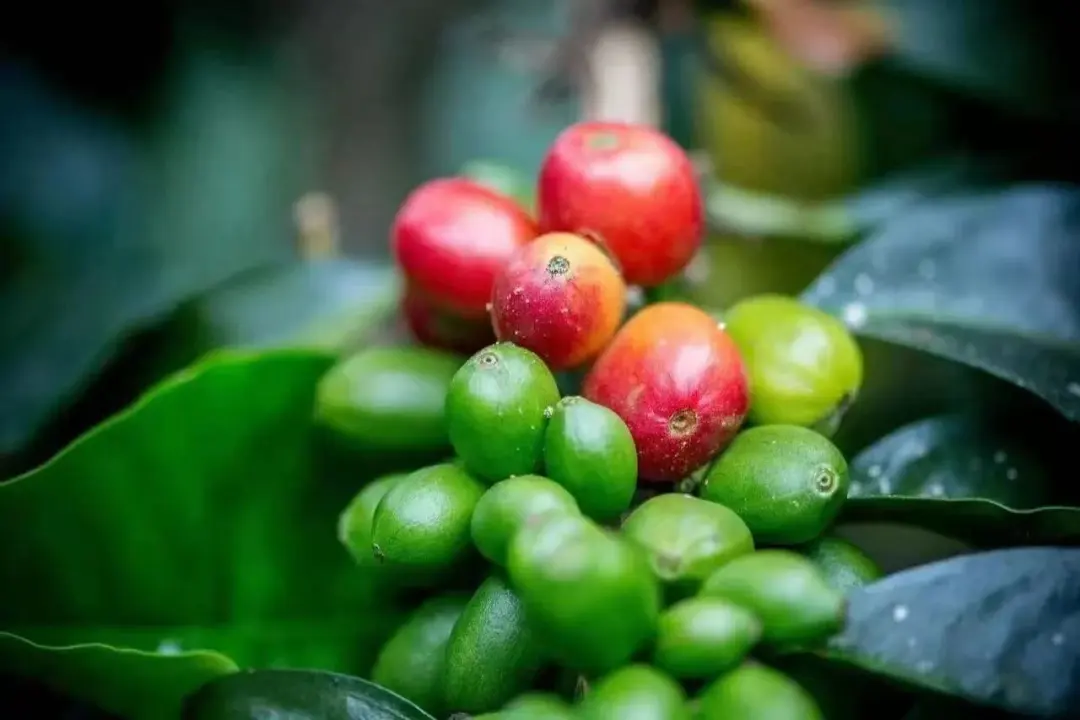
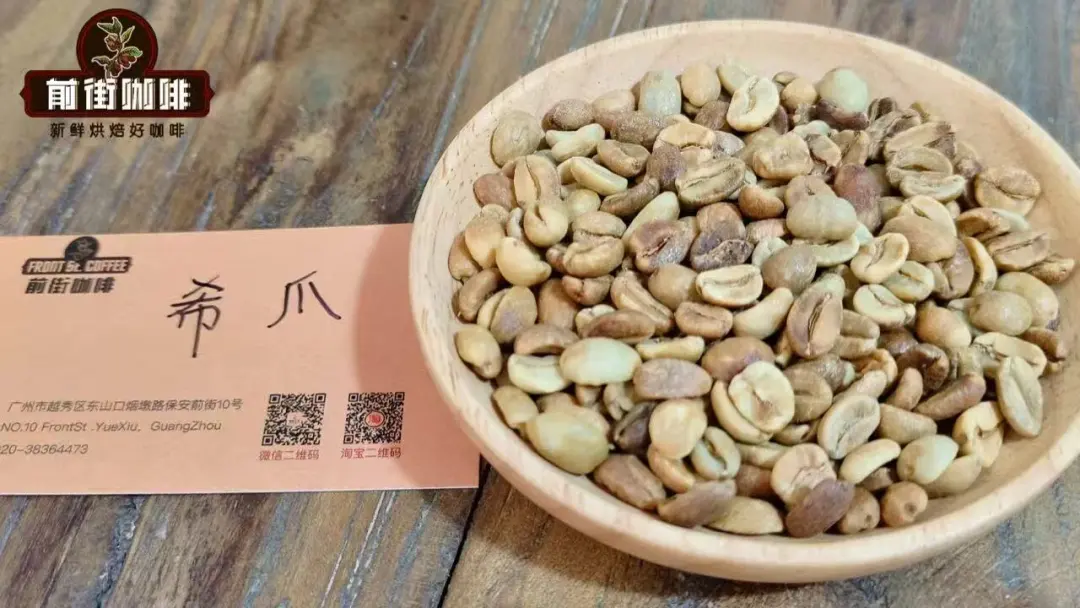
However, according to records from international research institutions and Mr. Han Huai-zong, author of The Fourth Wave of Specialty Coffee, genetic testing has shown that Sidra shares no direct lineage with traditional Typica or Bourbon. Instead, it is closer to native Ethiopian varieties, especially those with a conical or "pointed" bean shape. It’s worth noting that Sidra comes in both “pointed” and “round” bean forms, with the pointed variety featuring an elongated oval shape, genetically closer to Geisha or other high-flavor Ethiopian native beans — one reason it often exhibits such distinctive aromas and acidity profiles.
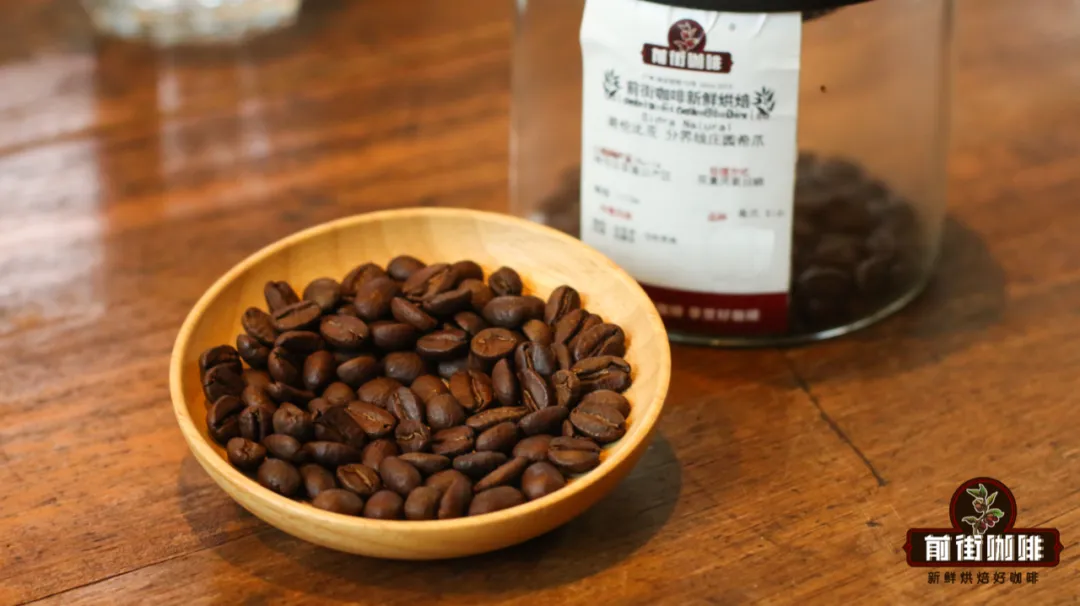
The Sidra featured here comes from Colombia’s Finca La Línea and is processed using the anaerobic natural method, a fermentation-heavy technique. This processing approach enhances fruitiness while adding sweetness and wine-like aromatic qualities to the coffee, making it a favorite among competition brewers. If you enjoy coffee with a balanced sweet-and-sour profile, rich layers, and a subtle wine-like finish, this Sidra is definitely worth trying.
However, due to its higher degree of fermentation, improper brewing parameters or techniques can easily lead to over-extraction or muddled flavors, making the beans seem “lacking in aroma” or full of “off-notes.” Next, we’ll provide a tried-and-tested V60 three-pour method recommendation to help you fully unlock the potential of this coffee.
We recommend using around 15 grams of coffee, with a brew ratio of 1:15, totaling approximately 225 grams of water, and a brewing temperature around 92°C. The grind size is suggested to have a 20-mesh sieve retention rate of about 75%–80%, or around setting 9.5 on an Ek43 grinder — roughly equivalent to the coarseness of fine sugar, balancing extraction uniformity and a refined mouthfeel.
When using the V60 dripper, there’s no need to strictly adhere to a specific number of pours — as long as the total brew time stays within the ideal range, three, four, or even five pours will work. The following explanation uses the classic three-pour method as an example:
First is the bloom phase: pour about 30 grams of water (roughly double the coffee weight), and let it sit for 30 seconds. This allows the coffee grounds to fully degas and expand, preparing them for optimal extraction.
After blooming, move on to the second pour. Use a medium stream and circle widely to add about 120 grams of water, aiming to reach about halfway up the dripper. Note that anaerobically processed coffee tends to drain faster, so avoid pouring too forcefully. Maintain a steady flow rate to prevent premature extraction and maintain balanced flavor development.
Once the water from the second pour has mostly drained, proceed to the final pour. Slowly add about 75 grams of water using small circular motions, focusing on the center of the coffee bed and avoiding excessive agitation. The total brew time should ideally come out to around 2 minutes, yielding a cup with balanced sweetness and acidity, as well as pronounced fruity and floral notes.
After brewing, you’ll notice distinct notes of grape, passionfruit, and apricot, accompanied by soft floral aromas and subtle hints of red wine. The aftertaste carries a touch of chocolate tone, making the overall profile very balanced and layered.
If you prefer cold drinks, you can also try making this Sidra into an iced pour-over. Once chilled, the bitterness becomes more restrained, the acidity fresher and brighter, and the overall flavor resembles a juicy grape juice — perfect for summer enjoyment.
In summary, Sidra is a unique variety with special genetic traits and outstanding performance in competitions. By understanding the characteristics of its processing method and using appropriate brewing parameters, you can easily recreate a near-championship-level coffee experience at home. Feel free to adjust your pour-over routine based on the suggestions above, and discover the unique charm of this anaerobic natural Sidra from Colombia’s Finca La Línea.
The above content is compiled by CoffeeHunters, a coffee news website.


