







Introduction:The common astringency issue in light roast coffee is closely related to polyphenolic compounds, roast levels, and extraction techniques. This article delves into the sources of astringency, starting with chemical components such as tannins and quinic acid, and explores the influence of coffee variety, processing method, and roast depth. It also provides practical extraction suggestions to help you avoid bitterness using the correct pour over parameters, fully showcasing the fruity and floral aromas as well as the layered complexity of light roast beans.
Have you ever felt that tight, puckering discomfort on your tongue when sipping a light roast coffee? This experience, known as "astringency," actually stems from the reaction between polyphenolic compounds in coffee and salivary proteins. Compared to dark roast coffee, light roast retains more of its original substances, making it more prone to releasing astringency-inducing components when extraction is not properly executed. This article will systematically break down the causes of astringency and provide practical adjustment solutions.
The so-called astringency is a rough, contracting tactile sensation on the oral mucosa, rather than a traditional taste. When excessive amounts of substances such as tannins, tartaric acid, or chlorogenic acid degradation products like quinic acid dissolve in the coffee, they interact with saliva to create this unpleasant experience. Notably, this phenomenon shows a clear negative correlation with roast level—the lighter the roast, the higher the retention of polyphenolic compounds, which is the key reason why light roast beans are generally more prone to astringency.
In addition to roast level, genetic traits of the coffee variety, regional soil conditions, harvest ripeness, and post-harvest processing methods (such as washed or natural) can all affect the content of astringency-related substances. Among these, the roasting process has the most direct impact:during dark roasting, many precursors to astringency are thermally decomposed and transformed, whereas the original compounds retained in light roast are more likely to be released during extraction. However, if a standard brewing process is used, normally high-quality light roast beans should not exhibit significant astringency.
In practice, brewing mistakes that exacerbate astringency can be categorized into two main types: under-extraction and over-extraction. Because light roast coffee has a denser bean structure, using a too-coarse grind, low water temperature (recommended range: 90–93°C), fast pouring speed, or short extraction time can lead toinsufficient dissolution of positive flavor compounds, relatively amplifying the perception of astringency. Typical symptoms also include hay-like flavors and sharp acidity.
Conversely, over-extraction often occurs with fine grinds (e.g., a sieve size of 20 with less than 70% passing rate), high water temperatures (above 94°C), or overly long extraction times (exceeding 3 minutes). Especially in the case of light roast beans with excessive fine particles and poor water penetration, channeling effects can cause localized over-extraction—even if the overall extraction yield is not necessarily excessive,the concentration of astringent compounds per unit may exceed the taste threshold.
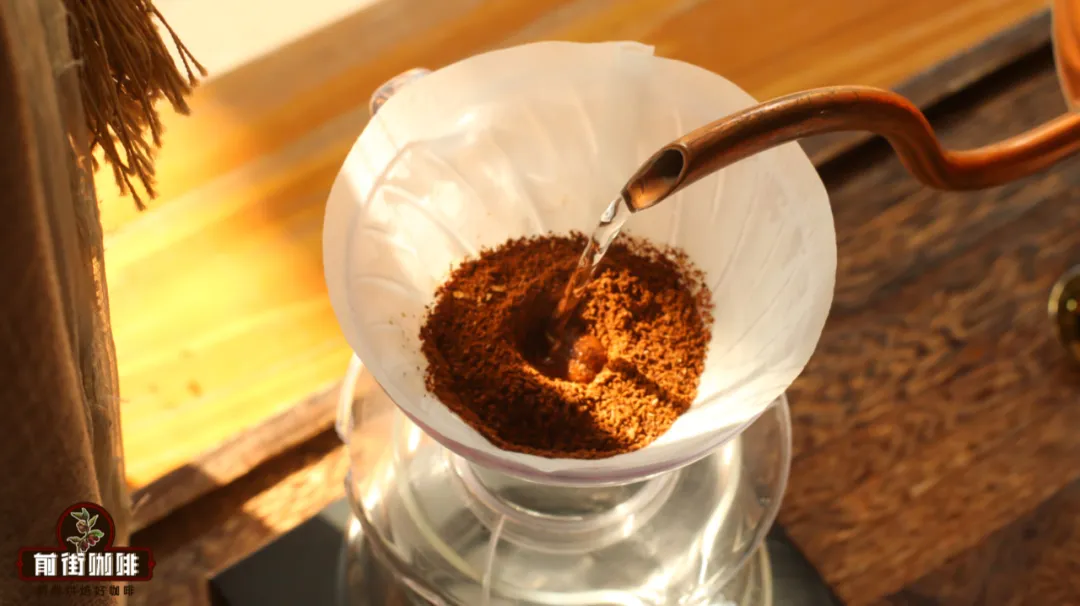
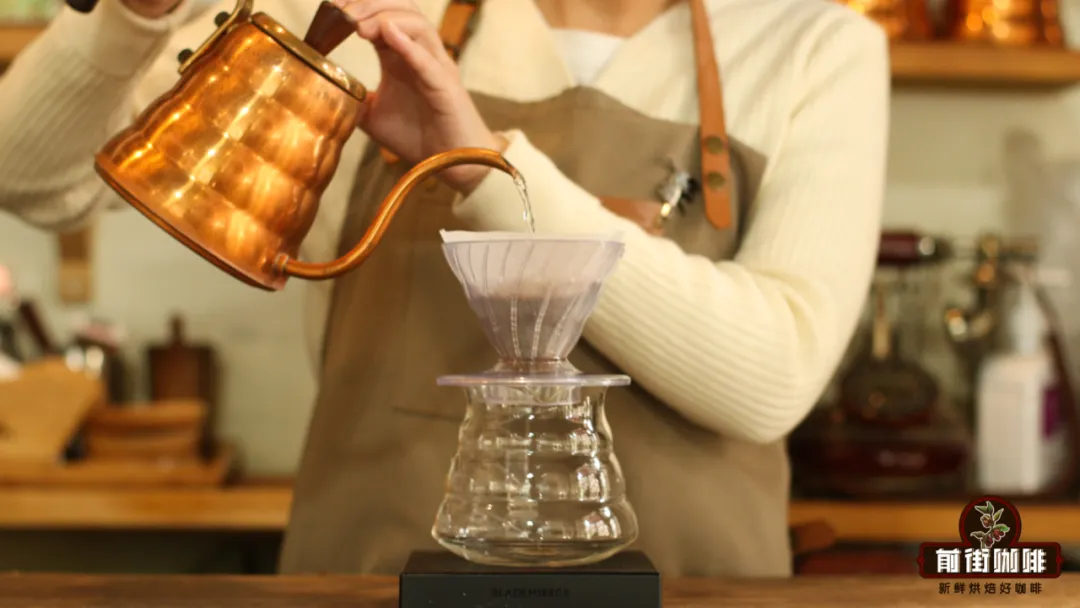
For light roast beans prone to astringency, it is recommended to adopt a “balanced and moderate” extraction strategy. Taking Ethiopian washed Yirgacheffe Gedeb Guji as an example (grown at high altitudes of approximately 1,800–2,000 meters, medium roast), the recommended parameter combination is: 15 grams of coffee, Ek43 grinder set to 10 (fine sugar-like fineness, 70–75% passing rate on a 20-number sieve), a 1:15 coffee-to-water ratio (total water volume 225 ml), precisely controlled water temperature of 92°C, brewed using a V60 filter cone with a multi-pour technique.

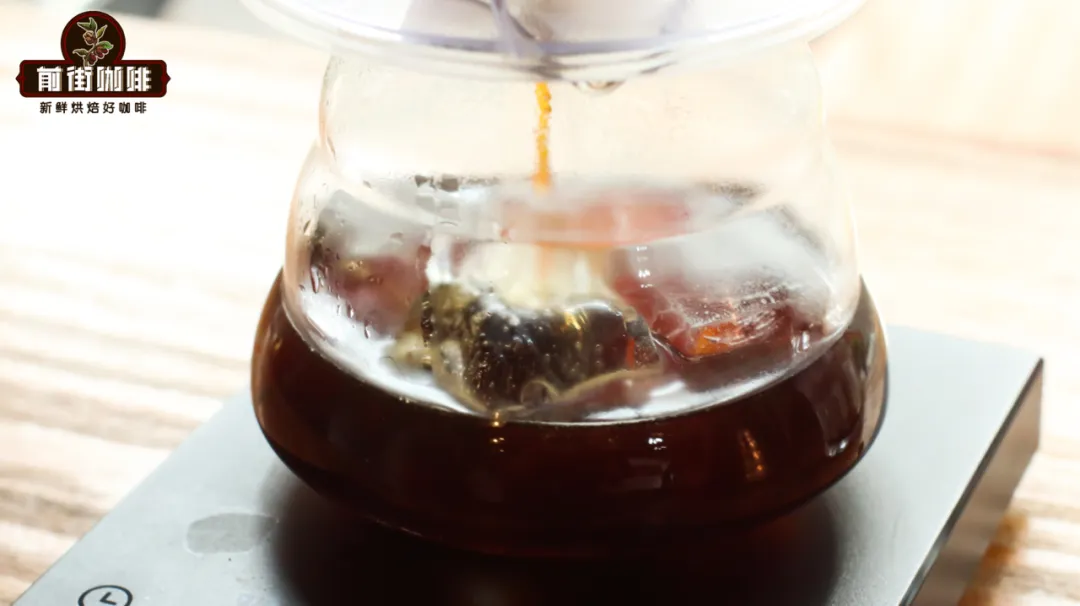
Practical execution prioritizes suppressing over-extraction efficiency: during the bloom phase, pour 30 ml of water (approximately double the coffee weight) and let it sit for 30 seconds to allow for sufficient CO₂ release. The first pour is 100 ml, using medium water flow, pouring in a circular motion from the center outward to 0.5 cm from the edge of the filter cone, then circling back, with a focus on maintaining a steady flow rate to prevent coffee bed compaction. The second pour of 50 ml uses a smaller water flow, pouring precisely into the center area, followed by the final 45 ml poured slowly and directly without stirring. This setup extends the total brew time to 2 minutes and 25 seconds while controlling extraction intensity.

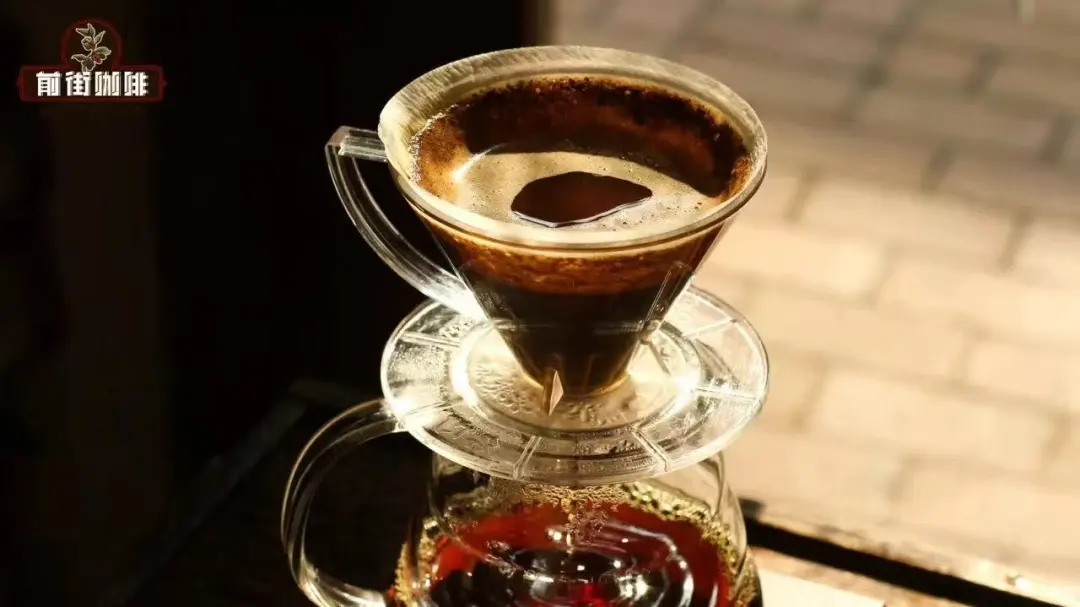
A successful extraction should present a bright citrus acidity as the base, complemented by floral and fruity notes such as jasmine and red berries, with an aftertaste that carries a mellow richness akin to oolong tea. The mouthfeel is silky with no lingering astringency on the teeth or palate, demonstrating effective suppression of astringency and highlighting the premium flavor characteristics of the light roast beans. Remember, if the contact time exceeds 2.5 minutes and tannins are still noticeably present, prioritize checking your grind size and water temperature settings.
The above content is compiled by CoffeeHunters, a coffee news website.


